

As a seasoned supplier of Metal Container Seals, I've witnessed firsthand the critical role these components play in various industries. Ensuring the long - term performance of metal container seals is not just a technical challenge; it's a commitment to providing our customers with reliable solutions that safeguard their valuable assets. In this blog, I'll share some insights and strategies on how to achieve this goal.
Understanding the Basics of Metal Container Seals
Before delving into the ways to ensure long - term performance, it's essential to understand what metal container seals are and their functions. Metal container seals are used to secure containers, trucks, trailers, and other transport units. They act as a deterrent against unauthorized access and tampering, providing an extra layer of security.
There are different types of metal container seals, such as Truck Metal Seal, Metal Trailer Seals, and Metal Seals For Containers. Each type is designed to meet specific requirements based on the application, including the level of security needed, the environment in which they will be used, and the frequency of use.
Factors Affecting the Long - Term Performance of Metal Container Seals
Material Quality
The quality of the materials used in manufacturing metal container seals is paramount. High - grade metals, such as stainless steel or aluminum, offer better resistance to corrosion, wear, and tear. Stainless steel, for example, is known for its excellent strength and durability, making it suitable for harsh environments. Aluminum, on the other hand, is lightweight and corrosion - resistant, which is ideal for applications where weight is a concern.
When sourcing materials, we work closely with trusted suppliers to ensure that we receive only the best - quality metals. We conduct thorough quality checks on incoming materials to verify their composition and properties. This ensures that our seals are built to last, even under challenging conditions.
Design and Manufacturing Processes
The design of metal container seals also plays a crucial role in their long - term performance. A well - designed seal should be easy to install and remove, while still providing a high level of security. It should also be able to withstand the forces exerted during normal use, such as vibration and impact.
Our manufacturing processes are highly automated and follow strict quality control standards. We use advanced machinery and techniques to ensure that each seal is produced with precision and consistency. For example, we use laser cutting and stamping processes to create clean and accurate shapes, which helps to improve the overall strength and performance of the seals.
Environmental Conditions
The environment in which metal container seals are used can have a significant impact on their performance. Seals used in coastal areas, for example, are exposed to saltwater, which can cause corrosion over time. Similarly, seals used in industrial settings may be exposed to chemicals, dust, and extreme temperatures.
To combat these environmental challenges, we offer seals with special coatings and finishes. For example, some of our seals are coated with a protective layer of epoxy or powder coating, which provides an extra barrier against corrosion. We also offer seals that are designed to withstand high temperatures and harsh chemicals, ensuring that they can perform reliably in any environment.
Strategies to Ensure Long - Term Performance
Regular Maintenance and Inspection
Regular maintenance and inspection are essential for ensuring the long - term performance of metal container seals. Customers should be encouraged to inspect their seals regularly for signs of damage, such as cracks, dents, or corrosion. If any damage is detected, the seals should be replaced immediately to prevent security breaches.
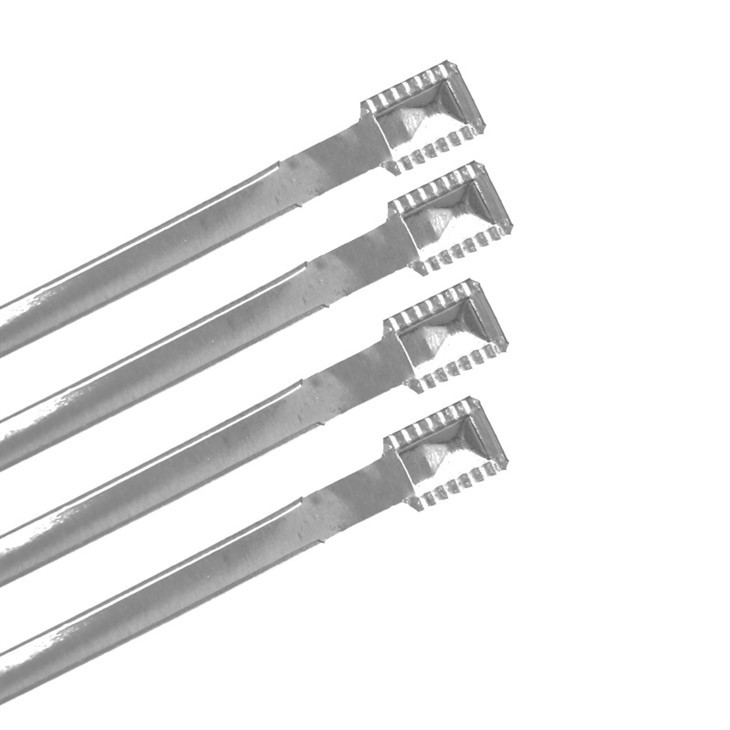
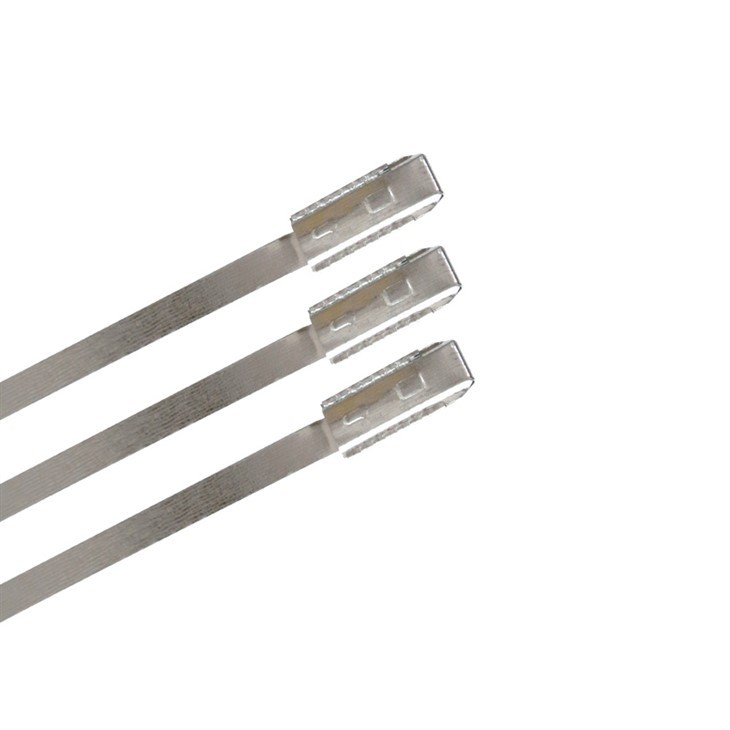
We provide our customers with detailed maintenance and inspection guidelines, which include instructions on how to clean and lubricate the seals. We also offer training programs to help our customers understand the importance of regular maintenance and how to perform it effectively.
Proper Installation
Proper installation is crucial for the long - term performance of metal container seals. Incorrect installation can lead to premature failure of the seals, as well as security risks. We provide our customers with detailed installation instructions, which include step - by - step guides and diagrams.
Our installation instructions are designed to be easy to follow, even for customers with limited technical knowledge. We also offer on - site installation services for customers who require additional support. Our installation technicians are highly trained and experienced, ensuring that the seals are installed correctly and securely.
Quality Assurance and Testing
We have a comprehensive quality assurance program in place to ensure that all our metal container seals meet or exceed industry standards. Our quality control team conducts rigorous testing on each batch of seals before they are shipped to customers.
We use a variety of testing methods, including physical testing, chemical analysis, and performance testing. Physical testing involves checking the dimensions, strength, and durability of the seals. Chemical analysis is used to verify the composition of the materials used in the seals. Performance testing involves simulating real - world conditions to ensure that the seals can perform as expected.
Conclusion
Ensuring the long - term performance of metal container seals is a multi - faceted process that requires attention to detail, high - quality materials, and strict quality control standards. As a supplier, we are committed to providing our customers with the best - quality seals and support services.
If you are interested in learning more about our Metal Container Seals or have any questions about ensuring their long - term performance, please feel free to contact us. We would be happy to discuss your specific requirements and provide you with a customized solution.
References
- "Handbook of Corrosion Engineering" by Pierre R. Roberge
- "Materials Science and Engineering: An Introduction" by William D. Callister Jr. and David G. Rethwisch