

Hey there! As a supplier of Livestock Ear Tags, I've seen firsthand how these little pieces of equipment can make a huge difference in breeding management. In this blog post, I'm gonna share with you all the ways livestock ear tags assist in breeding management.
Identification and Record - Keeping
One of the most basic yet crucial functions of livestock ear tags is identification. Each ear tag has a unique number or code on it, which serves as a permanent ID for the animal. This is super important in breeding management because it allows farmers to keep accurate records of each animal's lineage, birth date, and other vital information.

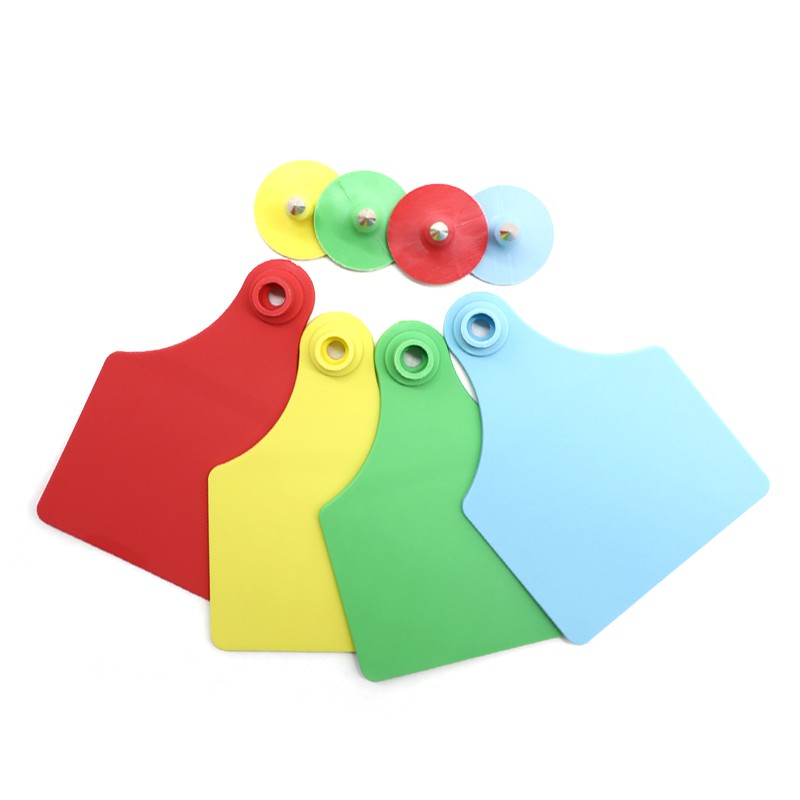
Let's say you have a large herd of cows. Without proper identification, it would be a nightmare to keep track of which cow is which, especially when it comes to breeding. But with ear tags, you can easily tell which cows are from the same family, which ones are of breeding age, and which ones have had successful pregnancies in the past.
For example, if you're using Ear Tags for Livestock, you can assign a specific tag number to each calf at birth. As the calf grows, you can record all its relevant data, such as its weight gain, vaccination history, and any health issues. When it's time for breeding, you can refer to these records to make informed decisions about which animals to pair up. This way, you can avoid inbreeding, which can lead to genetic problems in the offspring.
Monitoring Reproductive Cycles
Livestock ear tags can also help in monitoring the reproductive cycles of animals. Some advanced ear tags are equipped with sensors that can collect data on the animal's body temperature, activity level, and other physiological parameters. Changes in these parameters can indicate the onset of estrus (the period when a female animal is receptive to mating).
For instance, a cow's body temperature usually rises slightly during estrus. By using an ear tag with a temperature sensor, farmers can monitor these changes and accurately predict when the cow is ready to be bred. This increases the chances of a successful pregnancy and reduces the time and resources wasted on unsuccessful breeding attempts.
In addition, the activity level of an animal can also be a good indicator of its reproductive status. During estrus, cows tend to be more active and restless. An ear tag with an activity sensor can detect these changes in behavior and alert the farmer when the cow is in heat. This real - time data allows farmers to plan breeding more effectively, ensuring that the right animals are bred at the right time.
Tracking Genetic Traits
Another important aspect of breeding management is the tracking of genetic traits. With the help of ear tags, farmers can keep a detailed record of each animal's genetic makeup. By analyzing the genetic data of the parents and their offspring, farmers can identify desirable traits, such as high milk production, good meat quality, or disease resistance.
Let's take Ear Tag in Cattle as an example. If you're running a dairy farm, you want to breed cows that produce a large amount of high - quality milk. By using ear tags to track the genetic information of your cows, you can select the ones with the best milk - producing genes for breeding. Over time, this can lead to an improvement in the overall milk production of your herd.
Similarly, if you're in the beef industry, you might want to focus on breeding cattle with good meat quality. You can use ear tags to identify animals with genes associated with marbling, tenderness, and other desirable meat traits. By selectively breeding these animals, you can develop a herd that consistently produces high - quality beef.
Health Management and Breeding
The health of an animal is closely related to its breeding success. Sick animals are less likely to conceive and carry a pregnancy to term. Livestock ear tags can play a vital role in health management, which in turn affects breeding.
As mentioned earlier, ear tags can be used to record an animal's vaccination history and any health issues it has had. By keeping track of this information, farmers can ensure that all animals in the herd are up - to - date on their vaccinations and are being treated for any diseases or parasites.
For example, if a cow has a history of mastitis (an inflammation of the udder), it may not be a suitable candidate for breeding until the condition is fully treated. By referring to the ear tag records, farmers can make these decisions and prevent the spread of diseases to the offspring.
Moreover, some ear tags can also be used to administer medications or supplements. This can be especially useful in maintaining the health of pregnant animals. For example, an ear tag can be designed to slowly release a certain vitamin or mineral over a period of time, ensuring that the pregnant cow gets all the nutrients it needs for a healthy pregnancy.
Traceability in the Supply Chain
In today's global market, traceability is becoming increasingly important in the livestock industry. Consumers want to know where their meat, milk, and other animal products come from and how the animals were raised. Livestock ear tags provide a reliable way to track animals from the farm to the market.
When an animal is sold or sent for processing, its ear tag number can be recorded at each stage of the supply chain. This allows for full traceability of the product. If there is a problem with a particular batch of meat, such as a food safety issue, it can be traced back to the individual animal and the farm where it was raised.
This traceability is not only important for consumer confidence but also for regulatory compliance. Many countries have strict regulations regarding the traceability of livestock products. By using ear tags, farmers can ensure that they are meeting these requirements and avoid any legal issues.
Choosing the Right Ear Tags
As a livestock ear tag supplier, I know that choosing the right ear tags is crucial for effective breeding management. There are several factors to consider when selecting ear tags.
First of all, the durability of the ear tag is important. It should be able to withstand the harsh conditions on the farm, such as rough handling, exposure to the elements, and the animal's natural behavior. A tag that falls off or gets damaged easily can lead to a loss of important data.
Secondly, the readability of the tag is essential. The tag number or code should be clear and easy to read, both in the field and when entered into a computer system. Some ear tags are made with large, bold numbers, while others use barcodes or RFID technology for easier scanning.
Finally, the cost - effectiveness of the ear tag should also be considered. You don't want to spend too much money on ear tags, but at the same time, you need tags that can provide accurate and reliable data. As a supplier, I offer a range of ear tags to suit different budgets and requirements. Whether you're looking for basic plastic tags or high - tech electronic tags, I can help you find the right solution for your farm.
Conclusion
In conclusion, livestock ear tags are an invaluable tool in breeding management. They help with identification, record - keeping, monitoring reproductive cycles, tracking genetic traits, health management, and traceability in the supply chain. By using the right ear tags and making the most of the data they provide, farmers can improve the efficiency and profitability of their breeding programs.
If you're interested in learning more about our Cow Number Tags or other livestock ear tags, and how they can benefit your breeding management, feel free to reach out. We're here to assist you in making the best choices for your farm. Let's work together to take your livestock breeding to the next level!
References
- “Livestock Identification and Traceability.” National Agricultural Library, United States Department of Agriculture.
- “Genetic Improvement in Livestock.” Journal of Animal Science.
- “Reproductive Physiology of Cattle.” Veterinary Medicine Textbooks.