

As a supplier of stainless steel ties, accurately measuring the length of these products is a fundamental yet crucial task. In this blog, I'll share some practical methods and considerations for measuring the length of stainless steel ties.
Why Measuring Stainless Steel Tie Length Matters
Before delving into the measurement methods, it's essential to understand why measuring the length of stainless steel ties is so important. Firstly, for customers, the length of the tie directly affects its application scenarios. Different projects require ties of specific lengths. For example, in electrical installations, shorter ties might be used to secure small bundles of wires, while in large - scale industrial piping systems, longer ties are needed to wrap around bigger structures.
Secondly, from a supplier's perspective, precise length measurement ensures product quality control. We need to guarantee that each tie we provide meets the specified length requirements. This not only helps in maintaining customer satisfaction but also complies with industry standards.
Measuring Tools
To measure the length of stainless steel ties, we have several tools at our disposal.
Measuring Tape
One of the most common and straightforward tools is a measuring tape. Measuring tapes are available in various lengths and can provide relatively accurate measurements. They are flexible, which is very useful when measuring curved or irregularly shaped stainless steel ties. When using a measuring tape, make sure it is in good condition, without any kinks or damages that could affect the measurement accuracy.
Vernier Caliper
For more precise measurements, especially for shorter stainless steel ties or when high - precision is required, a vernier caliper can be used. A vernier caliper can measure lengths with an accuracy up to 0.02 mm or even higher, depending on the model. It is suitable for measuring the length of small - sized stainless steel ties, such as those used in electronic devices.
Laser Distance Meter
In some cases, when dealing with long stainless steel ties or when measuring in hard - to - reach areas, a laser distance meter can be a great option. Laser distance meters work by emitting a laser beam and measuring the time it takes for the beam to bounce back from the target. They can provide quick and relatively accurate measurements over long distances.
Measuring Methods
Straight Stainless Steel Ties
For straight stainless steel ties, the measurement is relatively simple. If using a measuring tape, place the start of the tape at one end of the tie and stretch it along the length of the tie until you reach the other end. Read the measurement value at the end of the tie. Make sure the tape is in a straight line to avoid any measurement errors caused by bending.
When using a vernier caliper, carefully place the jaws of the caliper at the two ends of the tie. Gently close the jaws until they touch the ends of the tie, and then read the measurement value on the caliper scale.
Curved Stainless Steel Ties
Measuring curved stainless steel ties can be a bit more challenging. One approach is to use a flexible measuring tape. Place the tape along the curve of the tie, following its contour as closely as possible. This method requires some patience to ensure that the tape is accurately tracing the curve.
Another option is to use a series of straight - line approximations. Divide the curve into small straight segments, measure each segment using a measuring tape or a caliper, and then sum up the lengths of all the segments. This method is more time - consuming but can provide a relatively accurate measurement.
Considerations in Measurement
Temperature Effects
Stainless steel expands and contracts with temperature changes. When measuring the length of stainless steel ties, it's important to consider the temperature at which the measurement is taken. If the measurement is done at a significantly different temperature from the normal operating temperature of the tie, the measured length may not be accurate in the actual application. To minimize this effect, it's advisable to measure the ties at a stable and standard temperature, such as room temperature (around 20 - 25°C).
Surface Finish
The surface finish of the stainless steel tie can also affect the measurement. Rough or uneven surfaces may cause the measuring tool to not sit properly on the tie, leading to measurement errors. Before measuring, make sure the surface of the tie is clean and smooth. If there are any burrs or irregularities on the surface, they should be removed or taken into account when making the measurement.
Tension in the Tie
If the stainless steel tie is under tension, it may stretch slightly, resulting in a longer measured length compared to its relaxed state. When measuring, try to ensure that the tie is in a relaxed state or, if it's in a tensioned application, note the tension level and its potential effect on the length.
Applications of Accurate Length Measurement
In Different Industries
Accurate length measurement of stainless steel ties is crucial in various industries. In the automotive industry, stainless steel ties are used to secure wires, hoses, and other components. Precise length measurement ensures that the ties fit properly and can effectively hold the components in place, contributing to the safety and reliability of the vehicle.
In the aerospace industry, where high - precision and reliability are of utmost importance, accurate length measurement of stainless steel ties is essential. These ties are used in critical applications such as securing avionics equipment and wiring harnesses. Any deviation in the length can lead to improper installation and potential safety hazards.
For Our Products
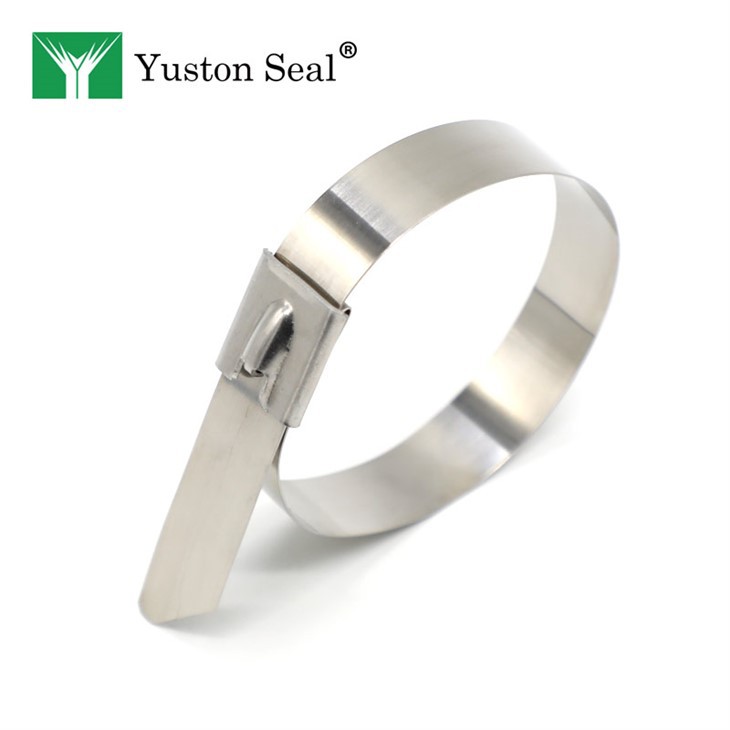
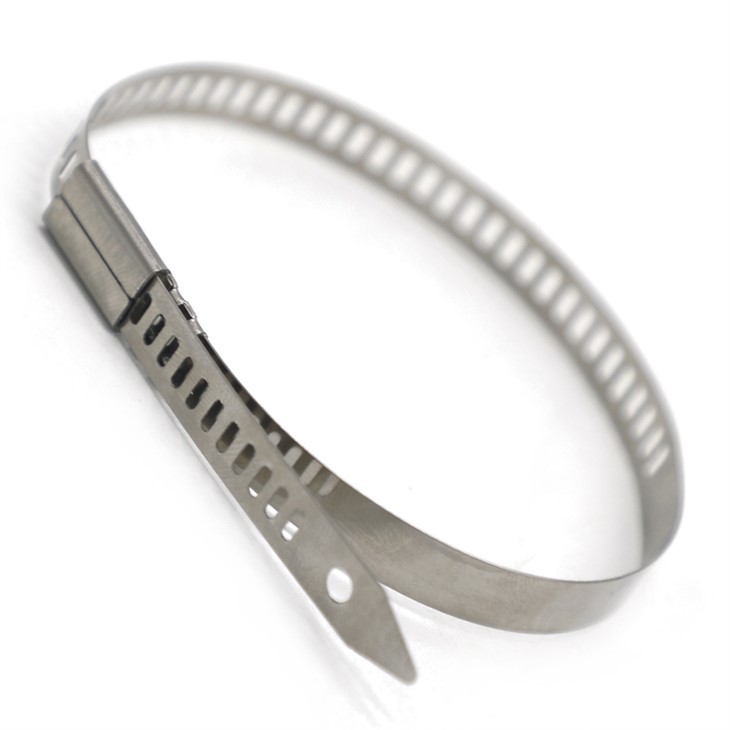
As a stainless steel tie supplier, we offer a wide range of products, including Stainless Steel Cable Wire Ties, Stainless Steel Cable Ties, and Stainless Steel Locking Wire Ties. Accurate length measurement ensures that our products meet the high - quality standards expected by our customers. It also helps us in inventory management, as we can accurately track the quantity and length of each type of tie in stock.
Conclusion
Measuring the length of stainless steel ties is a multi - faceted process that requires the right tools, proper methods, and careful consideration of various factors. Whether you are a customer looking for the right - sized tie for your project or a professional in the industry, understanding how to accurately measure the length is essential.
At our company, we are committed to providing high - quality stainless steel ties with accurate lengths. If you are interested in our products, such as Stainless Steel Cable Wire Ties, Stainless Steel Cable Ties, or Stainless Steel Locking Wire Ties, and would like to discuss your specific requirements or place an order, please feel free to reach out to us for procurement and negotiation.
References
- "Measurement Techniques in Engineering" - A textbook on engineering measurement principles.
- Industry standards related to stainless steel products, such as ASTM standards for stainless steel materials.