

As a seasoned supplier of meter seals, I've encountered numerous inquiries regarding the necessity of regular replacement of these crucial components. Meter seals play a pivotal role in ensuring the integrity and security of various types of meters, including gas and electric meters. In this blog post, I'll delve into the factors that influence the replacement frequency of meter seals and provide insights to help you make informed decisions.
The Importance of Meter Seals
Before discussing replacement intervals, it's essential to understand the significance of meter seals. Meter seals are used to prevent unauthorized access, tampering, and fraud in metering systems. They act as a visible indicator of whether a meter has been opened or manipulated. In industries such as energy, water, and telecommunications, accurate metering is crucial for billing, regulatory compliance, and overall system integrity. Meter seals help maintain trust between service providers and consumers by ensuring that meter readings are reliable and accurate.
Types of Meter Seals
There are several types of meter seals available in the market, each designed for specific applications and security requirements. Some common types include:
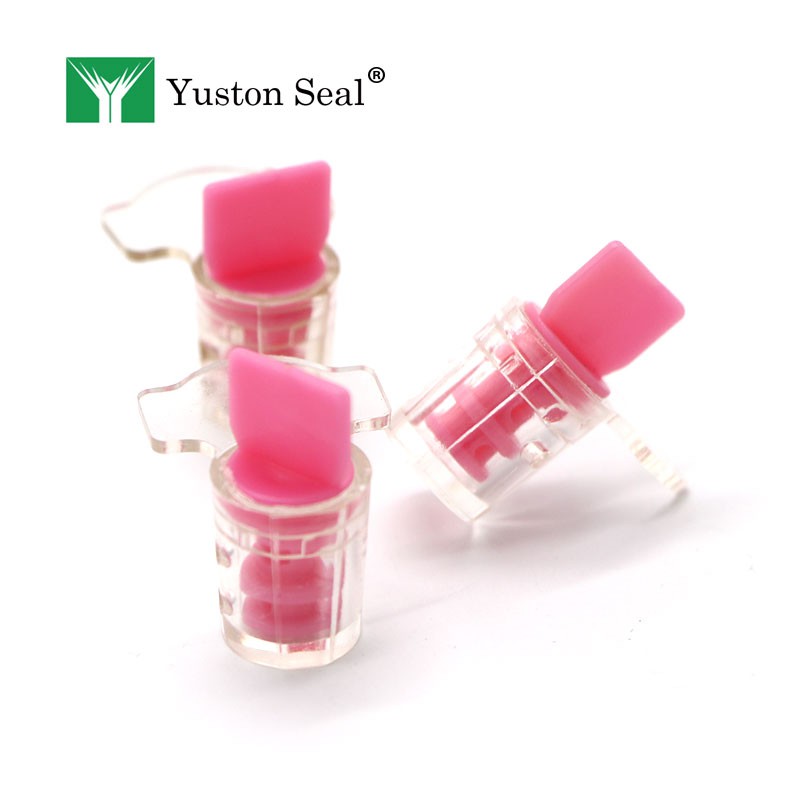
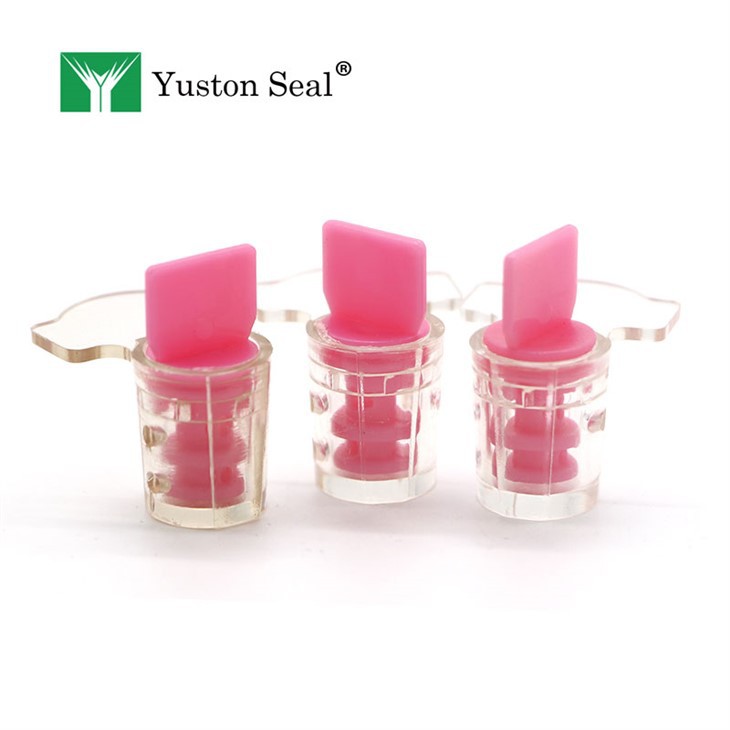
- Gas Meter Tamper Seal: These seals are specifically designed for gas meters and are engineered to withstand harsh environmental conditions. They provide a high level of security against tampering and are often used in industrial and residential gas metering applications. Gas Meter Tamper Seal
- Electric Meter Seal: Electric meter seals are used to secure electric meters and prevent unauthorized access to the internal components. They are typically made of durable materials and are designed to be resistant to tampering and vandalism. Electric Meter Seal
- Gas Meter Security Seals: These seals offer enhanced security features and are used in high - risk applications where the prevention of tampering is of utmost importance. They may include unique identification numbers, holographic elements, or other anti - counterfeiting measures. Gas Meter Security Seals
Factors Influencing Replacement Frequency
Environmental Conditions
One of the primary factors that determine the replacement frequency of meter seals is the environmental conditions in which they are installed. Meter seals exposed to extreme temperatures, high humidity, corrosive chemicals, or physical abrasion are more likely to deteriorate over time. For example, in coastal areas where saltwater corrosion is a concern, meter seals may need to be replaced more frequently than in inland areas with a more benign climate. Similarly, seals installed in industrial settings with high levels of dust, dirt, or vibration may experience accelerated wear and tear.
Usage and Access
The frequency of meter access and usage also plays a role in determining when meter seals should be replaced. Meters that are accessed frequently for maintenance, inspection, or calibration are more likely to have their seals damaged or compromised. In such cases, it's advisable to replace the seals after each access to ensure continued security. Additionally, meters located in areas with high public traffic or in locations prone to vandalism may require more frequent seal replacements.
Regulatory Requirements
Regulatory bodies often impose specific requirements regarding the replacement of meter seals. These requirements may vary depending on the industry, location, and type of meter. For example, in the energy sector, some regulatory authorities mandate the replacement of meter seals at regular intervals to ensure compliance with safety and security standards. It's essential for service providers to stay updated on these regulations and ensure that they are in full compliance.
Seal Integrity and Visibility
The integrity and visibility of the meter seal are critical factors in determining its effectiveness. A seal that is damaged, faded, or difficult to read may not provide a reliable indication of whether the meter has been tampered with. In such cases, it's recommended to replace the seal to maintain the security and transparency of the metering system. Regular visual inspections of meter seals can help identify signs of damage or deterioration, such as cracks, scratches, or missing components.
Benefits of Regular Seal Replacement
Enhanced Security
Regularly replacing meter seals helps maintain a high level of security in metering systems. By ensuring that seals are in good condition, service providers can minimize the risk of unauthorized access, tampering, and fraud. This not only protects the interests of the service provider but also ensures the accuracy of meter readings and fair billing for consumers.
Regulatory Compliance
As mentioned earlier, compliance with regulatory requirements is crucial in many industries. By replacing meter seals at the recommended intervals, service providers can demonstrate their commitment to meeting these requirements and avoid potential fines or penalties.
Improved Customer Trust
Consumers rely on accurate meter readings for their billing and consumption management. By using reliable meter seals and replacing them regularly, service providers can build trust with their customers. A visible and intact meter seal provides reassurance to consumers that their meter is secure and that the readings are accurate.
How to Determine the Optimal Replacement Interval
Determining the optimal replacement interval for meter seals requires a comprehensive assessment of the factors mentioned above. Service providers should conduct a risk assessment of their metering systems, taking into account the environmental conditions, usage patterns, regulatory requirements, and seal integrity. In some cases, it may be necessary to consult with industry experts or regulatory authorities to determine the most appropriate replacement schedule.
It's also a good practice to keep detailed records of meter seal installations, inspections, and replacements. These records can help track the performance of the seals over time and identify any trends or issues that may require further attention.
Conclusion
In conclusion, the question of whether meter seals need to be replaced regularly depends on a variety of factors, including environmental conditions, usage, regulatory requirements, and seal integrity. While there is no one - size - fits - all answer, it's generally advisable to replace meter seals at regular intervals to ensure the security, accuracy, and compliance of metering systems.
As a meter seal supplier, I'm committed to providing high - quality seals that meet the diverse needs of our customers. If you're looking for reliable meter seals or need advice on seal replacement intervals, I encourage you to reach out to me. We can discuss your specific requirements and help you find the best solutions for your metering applications. Let's work together to ensure the integrity and security of your metering systems.
References
- International Organization for Standardization (ISO). Standards related to metering and seal security.
- National Institute of Standards and Technology (NIST). Guidelines for metering system security.
- Local regulatory authorities. Regulations and requirements for meter seal replacement in specific industries and regions.