

Hey there! As a supplier of truck metal seals, I often get asked about how to test the integrity of these crucial components. Truck metal seals play a vital role in ensuring the security and safety of goods during transportation. In this blog, I'll share some practical ways to test the integrity of a truck metal seal.
First off, let's understand why testing the integrity of truck metal seals is so important. These seals are used to prevent unauthorized access to trucks and trailers, protecting the cargo from theft and tampering. If a seal is compromised, it could mean that the goods inside have been at risk. So, regular testing is a must to maintain the trust of our customers and ensure the safety of the transported items.
Visual Inspection
The simplest and most basic way to start testing a truck metal seal is through a visual inspection. When you first receive the seals or before using them on a truck, take a close look at them. Check for any obvious signs of damage, such as cracks, dents, or scratches. A damaged seal might not provide the necessary security.
Inspect the locking mechanism as well. Make sure it's functioning smoothly and that there are no loose parts. If the locking part seems wobbly or doesn't lock properly, it's a red flag. Also, look at the seal's markings. These markings are unique identifiers, and any smudging or alteration could indicate tampering.
Tensile Strength Test
Tensile strength is a key factor in determining the integrity of a truck metal seal. A seal needs to be strong enough to withstand normal handling and transportation vibrations without breaking. To test the tensile strength, you can use a simple setup.
Get a pair of pliers or a suitable gripping tool. Hold the seal firmly at one end and try to pull it apart gently but steadily. If the seal breaks easily under a reasonable amount of force, it might not be up to the required standard. However, be careful not to use excessive force as it could damage a perfectly good seal.
Resistance to Environmental Factors
Truck metal seals are exposed to various environmental conditions during transportation. They need to be resistant to factors like moisture, heat, and cold. To test the seal's resistance to moisture, you can perform a simple water test.
Take a seal and submerge it in water for a certain period, say 24 hours. After that, take it out and dry it thoroughly. Then, check for any signs of rust or corrosion. Rust can weaken the seal and compromise its integrity. If you notice any rust spots, it means the seal might not be suitable for long - term use in humid conditions.
For heat and cold resistance, you can use a temperature - controlled chamber. Place the seal in the chamber and expose it to extreme temperatures. For example, set the chamber to a high temperature, like 60°C, for a few hours, and then to a low temperature, like - 20°C, for another few hours. After the exposure, check the seal for any signs of deformation or cracking.
Compatibility with Truck and Trailer
Another aspect to consider is the compatibility of the seal with the truck or trailer. A seal that doesn't fit properly might not provide an effective security measure. When testing, make sure the seal can be easily and securely attached to the locking points on the truck or trailer.
Check if the seal's length and width are appropriate for the available space. If it's too long, it might get in the way or be more prone to damage. If it's too short, it might not be able to lock properly. Also, ensure that the locking mechanism of the seal can engage with the corresponding parts on the truck or trailer without any issues.
Comparison with Standards
It's always a good idea to compare the truck metal seals you're testing with industry standards. There are specific standards set for the quality and performance of these seals. You can obtain these standards from relevant industry associations or regulatory bodies.
Check if the seal meets the requirements for strength, durability, and security features as defined by the standards. If it falls short in any area, it might not be a reliable option for your customers.
Using Advanced Testing Equipment
In some cases, you might want to use more advanced testing equipment for a more accurate assessment. For example, there are specialized machines that can measure the exact tensile strength of a seal. These machines can provide precise data, which is useful for quality control purposes.
There are also devices that can detect any hidden damage or tampering in a seal. These devices use technologies like X - rays or ultrasound to look inside the seal and identify any internal flaws that might not be visible to the naked eye.
Importance of Testing for Different Types of Seals
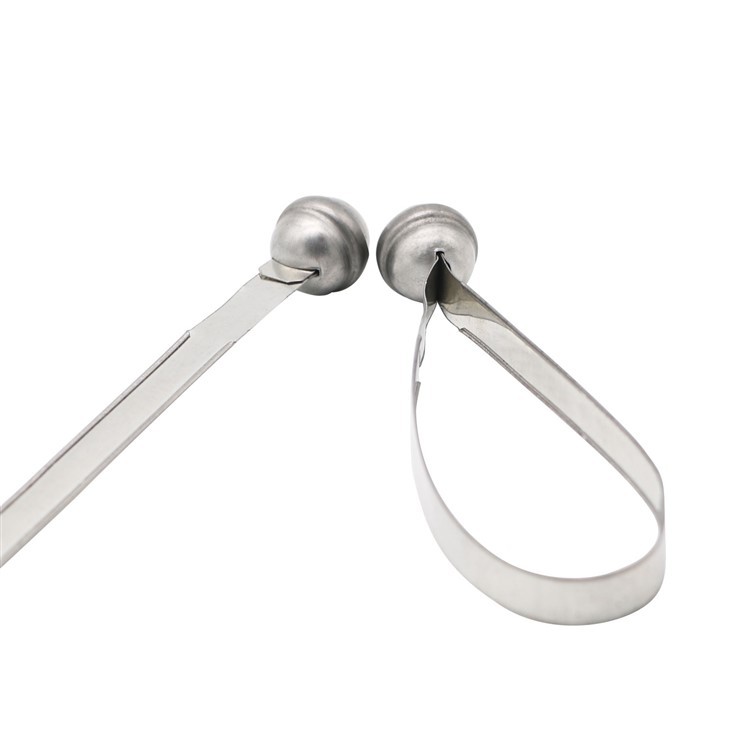
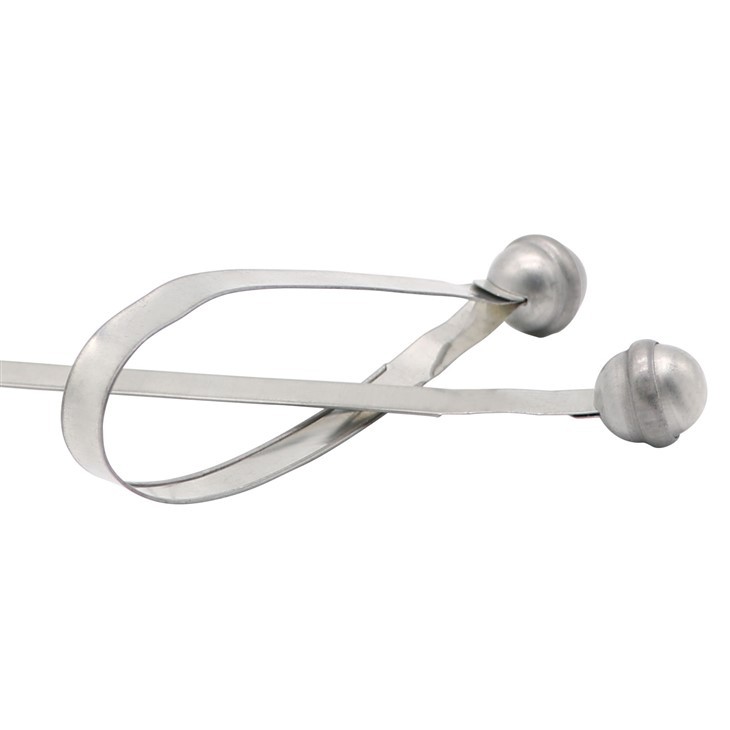
As a supplier, I offer different types of truck metal seals, such as Container Metal Strap Seal, Round Head Metal Strap Seal, and Metal Trailer Seals. Each type has its own unique features and requirements, so the testing methods might vary slightly.
For container metal strap seals, the focus might be more on the strap's flexibility and how well it can wrap around the container's locking points. Round head metal strap seals need to have a well - designed head that can lock securely. Metal trailer seals, on the other hand, need to be compatible with the trailer's specific locking mechanisms.
Conclusion
Testing the integrity of truck metal seals is a crucial step in ensuring the security of transported goods. By performing visual inspections, tensile strength tests, environmental resistance tests, and checking for compatibility, you can have a good idea of whether a seal is up to the mark.
If you're in the market for high - quality truck metal seals, don't hesitate to reach out. We're always here to provide you with the best products and answer any questions you might have. Whether you need Container Metal Strap Seal, Round Head Metal Strap Seal, or Metal Trailer Seals, we've got you covered. Let's work together to keep your cargo safe and secure!
References
- Industry standards for truck metal seals provided by relevant industry associations.
- Research on the effects of environmental factors on metal seals.