

Hey there! As a supplier of Container Plastic Seals, I'm super stoked to share with you how these nifty little gadgets work. Container plastic seals are crucial in a whole bunch of industries, from shipping and logistics to retail and manufacturing. They play a huge role in keeping things secure and making sure that goods reach their destination just the way they were sent.
Let's start with the basics. A container plastic seal is a simple yet effective device used to secure containers, cabinets, doors, and other enclosures. It's designed to show if someone has tried to tamper with the contents inside. You've probably seen these seals on shipping containers at ports or on the doors of trucks carrying goods. They're like the silent guardians of your valuable stuff.
The Anatomy of a Container Plastic Seal
Most container plastic seals are made up of a few key parts. First off, there's the body of the seal, which is usually made of high - quality plastic. This plastic is tough and durable, able to withstand all sorts of environmental conditions, like extreme temperatures, humidity, and even a bit of rough handling.
The locking mechanism is another important part. It's what keeps the seal in place once it's been applied. There are different types of locking mechanisms, but one of the most common is the ratchet - style lock. When you insert the end of the seal into the locking part, the ratchet teeth grip onto it, creating a tight and secure fit. Once the seal is locked, it can't be removed without breaking it.
Some seals also have a tag or a label attached to them. This tag can be used to print important information like a unique serial number, the date of application, and the company name. The serial number is especially important because it allows for easy tracking and identification. If there's any suspicion of tampering, you can check the serial number to see if the seal is legitimate.
How Does It Work?
Now, let's get into the nitty - gritty of how a container plastic seal actually works. The process starts when you want to secure a container or an enclosure. You simply take the seal and thread it through the hasp or the locking point of the container. Then, you insert the end of the seal into the locking mechanism.
As you pull the end of the seal through the lock, the ratchet teeth engage, and the seal tightens around the hasp. You can keep pulling until the seal is as tight as you need it to be. Once you're satisfied with the tightness, the seal is locked in place.
The beauty of these seals is that they're tamper - evident. If someone tries to open the container without breaking the seal, it's going to be really obvious. The seal is designed to break or show signs of damage if it's tampered with. For example, if someone tries to cut the seal, the cut marks will be visible. If they try to force the locking mechanism open, the plastic might crack or break.
When the container reaches its destination, the recipient can check the seal to see if it's intact. If the seal is broken or shows signs of tampering, it's a clear indication that something might be wrong. They can then take appropriate action, like inspecting the contents of the container or reporting the incident.
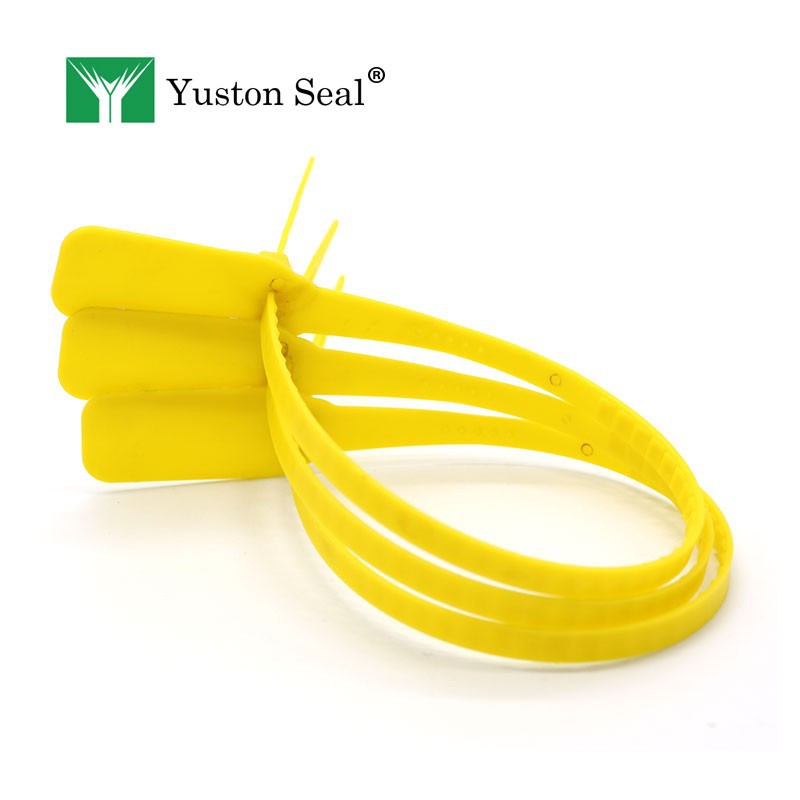
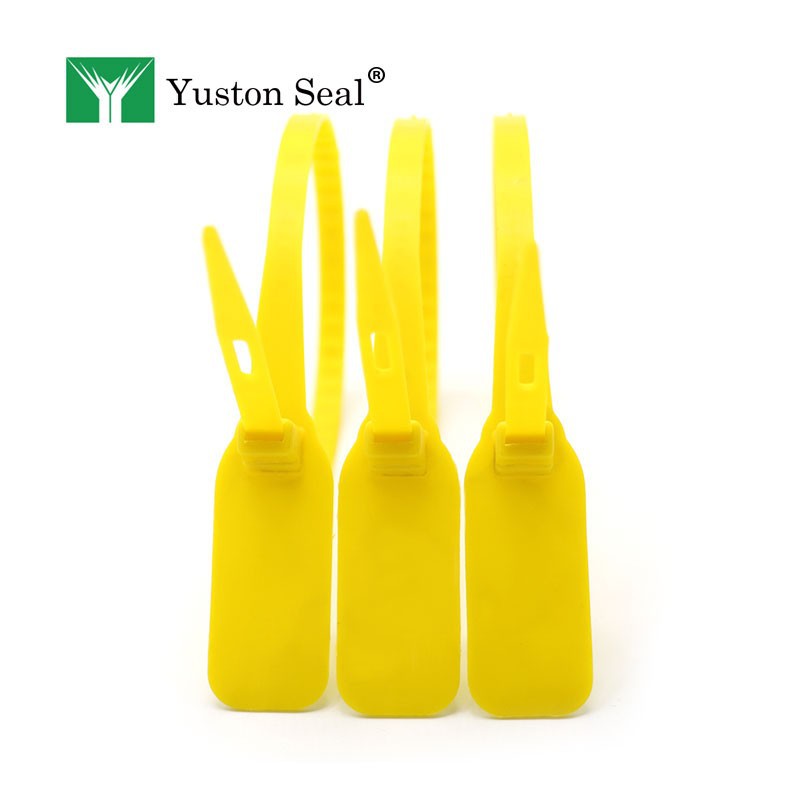
Types of Container Plastic Seals
There are different types of container plastic seals available in the market, each with its own unique features and uses.
Plastic Safety Seals: These are the most common type of container plastic seals. They're used in a wide range of industries to secure containers, trucks, and other enclosures. You can find out more about them Plastic Safety Seals. They're usually made of strong plastic and have a reliable locking mechanism. They're great for general - purpose security applications.
Tamper Evident Plastic Seal: As the name suggests, these seals are specifically designed to show if there's been any tampering. They have special features like break - away tabs or unique markings that will be damaged if someone tries to open the seal. You can learn more about them Tamper Evident Plastic Seal. These seals are often used in industries where security is of the utmost importance, like the pharmaceutical or food industries.
Tamper Proof Tags Seals: These seals come with a tag that can be used to print important information. They're not only tamper - evident but also provide a way to easily identify and track the seal. You can check them out Tamper Proof Tags Seals. They're commonly used in shipping and logistics to keep track of goods as they move from one place to another.
Why Choose Container Plastic Seals?
There are several reasons why container plastic seals are a popular choice for security. First of all, they're cost - effective. Compared to other types of security devices, like metal locks or electronic seals, plastic seals are much cheaper. This makes them a great option for businesses that need to secure a large number of containers or enclosures.
They're also easy to use. You don't need any special tools or training to apply a plastic seal. All you need to do is thread it through the hasp and lock it in place. This means that anyone can use them, whether it's a warehouse worker or a truck driver.
Another advantage is that they're lightweight. This is important, especially in the shipping industry, where every extra pound can add to the cost of transportation. Plastic seals don't add much weight to the container, so they won't increase your shipping costs.
Contact Us for Your Container Plastic Seal Needs
If you're in the market for high - quality container plastic seals, look no further. As a trusted supplier, we offer a wide range of plastic seals to meet your specific needs. Whether you need general - purpose plastic safety seals, tamper - evident seals, or tamper - proof tag seals, we've got you covered.
Our seals are made of the best materials and are designed to provide maximum security. We also offer customization options, so you can have your company logo, serial number, or other information printed on the seal.
If you have any questions or want to discuss your requirements, don't hesitate to get in touch. We're here to help you find the perfect container plastic seal solution for your business.
References
- "Handbook of Packaging Technology" by Kenneth S. Paine
- "Security Seals: A Guide to Their Use and Application" by industry experts
So, there you have it! That's how a container plastic seal works. I hope this blog has given you a better understanding of these important security devices. If you have any more questions, feel free to drop a comment below.