

In the realm of safeguarding valuables, lead seals stand as stalwart guardians, offering a reliable and time - tested solution. As a seasoned lead seal supplier, I have witnessed firsthand the crucial role these seals play in various industries, from finance to logistics. In this blog, we will delve into the mechanisms by which lead seals ensure the safety of valuables, exploring their features, applications, and the unique advantages they bring to the table.
Understanding Lead Seals
Lead seals are small, yet powerful devices typically made from lead or a lead - alloy. They are designed to be affixed to containers, packages, or equipment in a way that any attempt to open or tamper with the item will be clearly visible. The process of sealing involves passing a wire or cable through the item to be secured and then through the lead seal. The seal is then crimped shut, creating a permanent and tamper - evident closure.
One of the primary reasons lead seals are so effective is their simplicity. Unlike more complex security systems that may rely on electronic components or software, lead seals operate on a basic mechanical principle. Once a lead seal is applied, it cannot be removed without leaving obvious signs of damage, such as a broken seal or a distorted shape. This makes it easy for inspectors or recipients to determine if the contents have been accessed or tampered with during transit or storage.
The Science Behind Lead Seal Security
The security of lead seals lies in their physical properties. Lead is a relatively soft metal, which allows it to be easily deformed when crimped. However, once it is crimped, the shape of the seal becomes highly resistant to further manipulation. Any attempt to open the seal without proper tools will result in visible cracks, splits, or changes in the seal's overall appearance.
In addition to their physical integrity, lead seals can also be customized with unique markings or serial numbers. These markings serve as a form of identification, allowing for easy tracking and verification of the seal's authenticity. For example, in the banking industry, lead seals are often used to secure cash shipments. Each seal is assigned a unique serial number, which is recorded in a database. When the shipment arrives at its destination, the serial number on the seal is checked against the database to ensure that it matches the original record. If there is a discrepancy, it could indicate that the shipment has been tampered with.
Applications in Different Industries
Finance and Banking
As mentioned earlier, the finance and banking sectors rely heavily on lead seals to protect cash, valuable documents, and other sensitive items. Banks use lead seals to secure cash drawers, ATM cassettes, and armored transport vehicles. By using lead seals, banks can ensure the integrity of their cash supplies and prevent unauthorized access. For example, when cash is transported from a central bank to a local branch, lead seals are applied to the cash containers. If the seals are intact upon arrival, it provides assurance that the cash has not been tampered with during transit.
Logistics and Shipping
In the logistics and shipping industry, lead seals are used to secure cargo containers, trucks, and railcars. When goods are shipped across long distances, there is always a risk of theft or tampering. Lead seals act as a deterrent to potential thieves and provide a clear indication if the container has been opened. For instance, a shipping company may use lead seals to secure a container filled with high - value electronics. The seal is applied at the point of origin, and the container is only opened at the destination. If the seal is broken upon arrival, the shipping company can investigate the matter further and take appropriate action.
Utilities
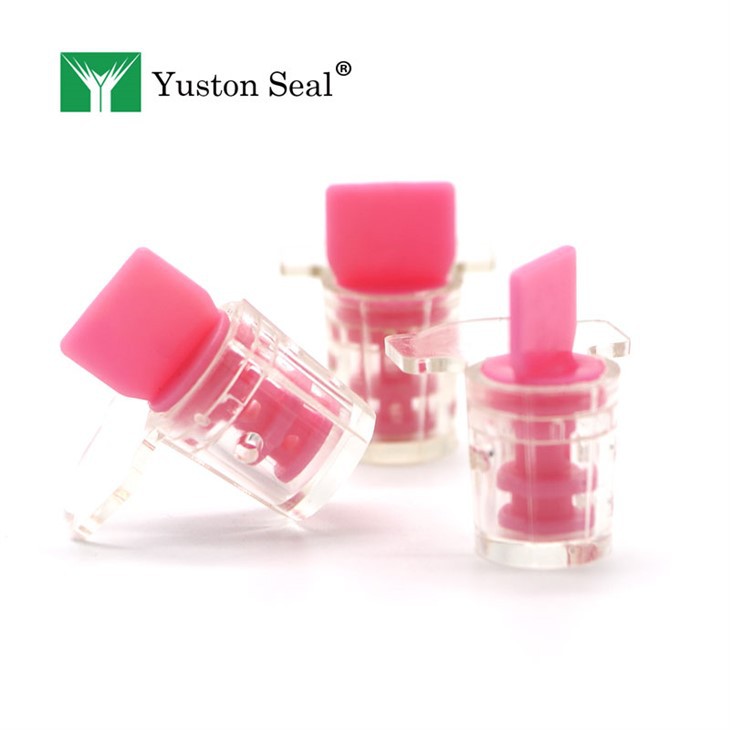
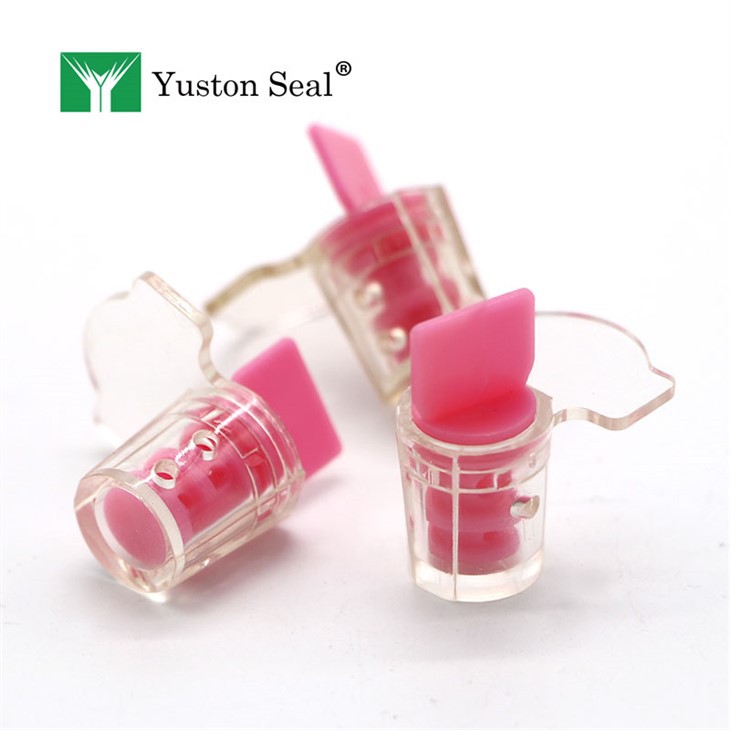
The utility industry also benefits from the use of lead seals. Plastic Meter Seals and Electric Meter Seal are commonly used to prevent unauthorized access to electricity, gas, and water meters. By sealing the meters, utility companies can ensure accurate billing and prevent fraud. For example, an electric meter seal is applied to the meter box to prevent customers from tampering with the meter to reduce their electricity consumption readings. If the seal is broken, the utility company can detect the tampering and take corrective measures.
Government and Customs
Government agencies and customs departments use lead seals to secure official documents, evidence, and goods in transit. Lead seals are often used in border control to ensure that imported and exported goods comply with regulations. For example, customs officials may apply lead seals to containers of restricted goods to prevent smuggling. The seals are inspected at various checkpoints, and any signs of tampering are investigated thoroughly.
Advantages of Using Lead Seals
Cost - Effective
One of the main advantages of lead seals is their cost - effectiveness. Compared to other security measures, such as electronic monitoring systems, lead seals are relatively inexpensive. They require minimal maintenance and can be easily replaced if damaged. This makes them an ideal choice for businesses and organizations that need to secure a large number of items on a budget.
Tamper - Evident
As previously discussed, lead seals are highly tamper - evident. Any attempt to open or tamper with a lead seal will leave visible signs, making it easy to detect unauthorized access. This provides a high level of security and peace of mind for both the sender and the recipient.
Easy to Use
Lead seals are also very easy to use. They do not require any special training or equipment to apply. A simple crimping tool is all that is needed to seal the wire or cable through the lead seal. This makes them accessible to a wide range of users, from small businesses to large corporations.
Innovations in Lead Seal Technology
While lead seals have been around for a long time, there have been several innovations in recent years to enhance their security features. One such innovation is the use of Barcode Twist Meter Seal. These seals are equipped with barcodes that can be scanned using a handheld device. The barcode contains information about the seal, such as its serial number, date of application, and the person who applied it. This makes it easier to track and manage the seals, as well as to verify their authenticity.
Another innovation is the development of anti - counterfeiting lead seals. These seals incorporate advanced security features, such as holograms, micro - printing, and special inks, to prevent counterfeiting. By using these high - tech seals, businesses can ensure that their valuables are protected from sophisticated thieves.
Conclusion
In conclusion, lead seals are an essential tool for ensuring the safety of valuables in a wide range of industries. Their simplicity, reliability, and cost - effectiveness make them a popular choice for businesses and organizations around the world. Whether it's protecting cash in a bank, securing cargo in a shipping container, or preventing fraud in a utility meter, lead seals provide a visible and effective means of security.
As a lead seal supplier, I am committed to providing high - quality seals that meet the diverse needs of my customers. If you are interested in learning more about our lead seal products or would like to discuss your specific security requirements, I encourage you to reach out for a procurement discussion. Our team of experts is ready to assist you in finding the best solutions for your business.
References
- Smith, J. (2018). "The Role of Lead Seals in Modern Security". Journal of Security Studies, 15(2), 34 - 45.
- Johnson, A. (2019). "Innovations in Tamper - Evident Sealing Technology". International Journal of Logistics and Supply Chain Management, 22(3), 67 - 78.
- Brown, C. (2020). "Lead Seals in the Utility Industry: Preventing Fraud and Ensuring Accuracy". Utility World Magazine, 30(4), 23 - 31.