

What is the Sealing Performance of a Plastic Seal?
As a dedicated plastic seal supplier, I've witnessed firsthand the crucial role that plastic seals play in various industries. In this blog, I'll delve into the concept of the sealing performance of plastic seals, exploring its significance, influencing factors, and real - world applications.
The Significance of Sealing Performance
The sealing performance of a plastic seal refers to its ability to prevent the ingress or egress of substances such as liquids, gases, or even dust and dirt. This is of utmost importance in many applications. For example, in the food and beverage industry, plastic seals are used to keep products fresh and free from contamination. A poor - performing seal could allow air or moisture to enter the packaging, leading to spoilage and a shorter shelf - life.
In the pharmaceutical industry, the sealing performance of plastic seals is a matter of patient safety. Medications need to be protected from external elements to maintain their efficacy. A faulty seal could expose the drugs to humidity, oxygen, or bacteria, potentially rendering them ineffective or even harmful.
Factors Affecting Sealing Performance
Material Quality
The type of plastic used in the seal is a primary factor. High - quality plastics, such as polyethylene (PE) and polypropylene (PP), offer better chemical resistance, durability, and flexibility. These materials can withstand different environmental conditions, including temperature variations and exposure to chemicals. For instance, in the automotive industry, plastic seals made from high - quality polymers are used in engine components to prevent oil and coolant leaks. The material's ability to resist high temperatures and chemical corrosion ensures long - term sealing performance.
Design and Structure
The design of the plastic seal also greatly impacts its performance. A well - designed seal should have a proper shape and size to fit the application perfectly. For example, a threaded plastic seal may provide a more secure fit compared to a simple snap - on seal in some cases. Additionally, features like gaskets or O - rings integrated into the seal design can enhance its sealing ability by providing an extra layer of protection. In plumbing applications, plastic seals with rubber gaskets are commonly used to prevent water leaks at pipe joints.
Manufacturing Process
The way the plastic seal is manufactured can affect its performance. Injection molding is a common manufacturing process for plastic seals. Precise control of the injection molding parameters, such as temperature, pressure, and cooling time, is essential to ensure a uniform and defect - free seal. Any irregularities in the manufacturing process, such as air bubbles or uneven thickness, can compromise the sealing performance. For example, if a plastic seal has a thin spot due to improper cooling during molding, it may be more likely to fail under pressure.
Real - World Applications and Their Sealing Requirements
Fire Extinguisher Seals
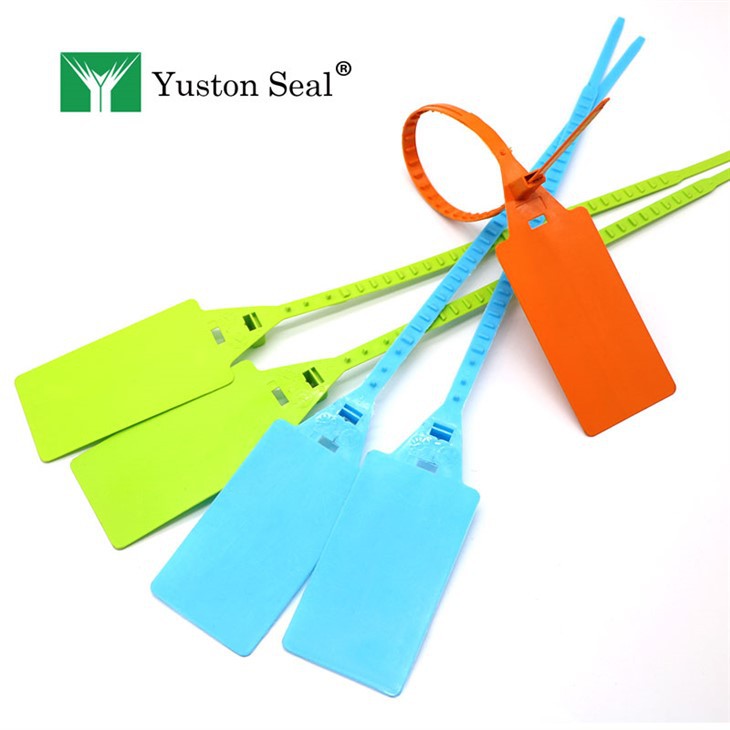
Fire extinguisher seals are critical for ensuring the integrity of the fire - fighting equipment. These seals need to prevent the accidental release of the extinguishing agent and also indicate if the extinguisher has been tampered with. A high - quality fire extinguisher seal tag should have excellent sealing performance to withstand long - term storage without degradation. It should also be resistant to environmental factors such as UV radiation, moisture, and temperature changes.
Tamper - Proof Tags Seals
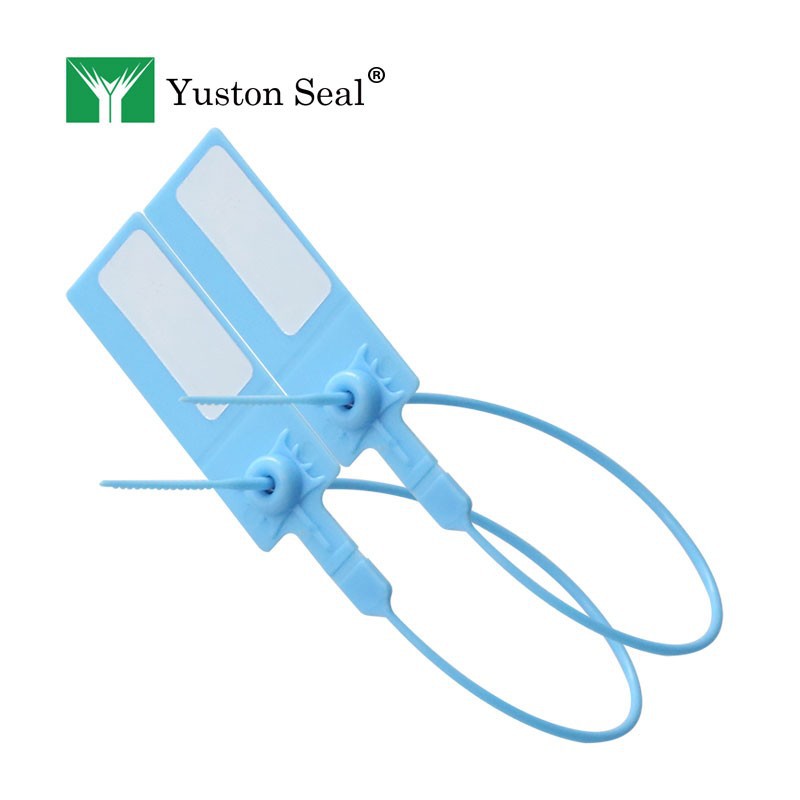
In industries where security and anti - tampering are paramount, Tamper Proof Tags Seals are widely used. These seals are designed to provide evidence of any unauthorized access. Their sealing performance is crucial to ensure that once the seal is applied, it cannot be removed without leaving visible signs of tampering. They are commonly used in the transportation of valuable goods, such as electronics and pharmaceuticals, to protect against theft and product integrity issues.
Plastic Trailer Seals
Plastic Trailer Seals are used in the logistics and transportation industry to secure cargo containers and trailers. These seals need to withstand harsh environmental conditions during transit, including vibrations, impacts, and exposure to the elements. A good plastic trailer seal should have a high level of sealing performance to prevent the entry of water, dust, and unauthorized access. It should also be strong enough to resist breakage during normal handling.
Testing the Sealing Performance
To ensure the quality of plastic seals, various testing methods are employed. Pressure testing is one of the most common methods. In this test, the seal is subjected to a specific pressure, and the leakage rate is measured. If the leakage rate exceeds the acceptable limit, the seal is considered to have poor sealing performance.
Another method is the environmental simulation test. This test exposes the seal to different environmental conditions, such as high and low temperatures, humidity, and chemical exposure, to evaluate its long - term performance. For example, a plastic seal used in outdoor applications may be tested in a chamber that simulates extreme weather conditions to ensure it can maintain its sealing ability over time.
Improving Sealing Performance
As a plastic seal supplier, we are constantly looking for ways to improve the sealing performance of our products. This includes investing in research and development to find new materials and manufacturing techniques. For example, we are exploring the use of nanocomposite plastics, which have enhanced mechanical and chemical properties compared to traditional plastics.
We also focus on customer feedback to understand the specific needs of different industries. By working closely with our customers, we can customize the design and manufacturing process of our plastic seals to meet their unique sealing requirements.
Conclusion
The sealing performance of a plastic seal is a complex yet crucial aspect that affects its functionality in various applications. From food packaging to high - security transportation, the ability of a plastic seal to prevent the ingress or egress of substances is essential for product quality, safety, and integrity. As a plastic seal supplier, we are committed to providing high - quality seals that meet the diverse needs of our customers.
If you are in need of plastic seals for your specific application, we invite you to contact us for a detailed discussion. Our team of experts can help you select the most suitable plastic seal based on your requirements and ensure that you get the best sealing performance for your products.
References
- "Plastic Materials Science and Engineering" by Bill M. Walker.
- "Handbook of Sealant Technology" by Robert D. Adamson.
- Industry reports on plastic seal applications in different sectors.