

As a trusted Ear Tag supplier, I'm often asked about various technical aspects of our products, and one question that frequently comes up is: "What is the signal strength of an electronic ear tag?" This query is of great importance, especially in the context of animal management and identification. In this blog, we'll delve into the concept of signal strength in electronic ear tags, its significance, factors affecting it, and how it impacts the overall performance of these devices.
Understanding Signal Strength in Electronic Ear Tags
Electronic ear tags, also known as RFID (Radio - Frequency Identification) ear tags, are used to identify and track animals. They operate by transmitting a unique identifier via radio waves to a reader. Signal strength refers to the power or intensity of the radio signal emitted by the ear tag. It is a crucial parameter as it determines how far the tag's signal can travel and how reliably it can be detected by the reader.
A stronger signal means that the tag can be read from a greater distance. This is particularly useful in large - scale livestock farms, where animals are often spread out over a wide area. For example, if you are using Ear Tag on a ranch with hundreds of sheep roaming freely, a high - signal - strength tag allows you to quickly and efficiently scan the animals without having to get too close to each one.
Significance of Signal Strength
Efficient Animal Management
In modern animal husbandry, time is of the essence. With a high - signal - strength electronic ear tag, farmers can conduct rapid inventory checks. They can simply walk through the pasture with a handheld reader, and the tags on the animals will transmit their information within a reasonable range. This saves a significant amount of time and effort compared to manual identification methods.
Data Accuracy
A strong signal reduces the likelihood of data loss or incorrect readings. When the signal strength is inadequate, the reader may fail to pick up the tag's signal, or it may receive a weak and distorted signal, leading to inaccurate identification. This can cause problems in record - keeping, disease monitoring, and other essential aspects of animal management.
Compatibility with Different Readers
Some readers are not as sensitive as others. A high - signal - strength ear tag increases the chances of compatibility with a wider range of readers. Whether you are using a basic handheld reader or a more advanced fixed - position reader, a tag with a good signal strength is more likely to work effectively.
Factors Affecting Signal Strength
Tag Design and Components
The design of the ear tag plays a significant role in determining its signal strength. The antenna used in the tag is a critical component. A well - designed antenna can efficiently radiate the radio signal, enhancing its strength. Additionally, the quality of the integrated circuit (IC) in the tag can also impact the signal. High - quality ICs are more efficient at generating and transmitting the signal.
Environmental Conditions
The environment in which the ear tag operates can have a substantial effect on signal strength. For example, metal objects can absorb and reflect radio waves, interfering with the tag's signal. In a farm setting, metal fences or equipment near the animals can weaken the signal. Similarly, extreme weather conditions such as heavy rain or snow can attenuate the signal. Moisture in the air can act as a barrier to radio waves, reducing the signal range.
Distance from the Reader
As a general rule, the signal strength decreases as the distance between the ear tag and the reader increases. This is due to the natural attenuation of radio waves over distance. However, the rate of attenuation can vary depending on the frequency of the radio waves used by the tag and the surrounding environment.
Impact on Different Types of Ear Tags
Sheep Ear Tags
Sheep are often raised in large flocks in open pastures. For Sheep Ear Tags, a strong signal strength is essential. It allows farmers to quickly scan the entire flock without having to handle each sheep individually. This is not only more efficient but also less stressful for the animals.
Cattle Ear Tags
Cattle are typically larger and may be more spread out in a pasture. A high - signal - strength ear tag is crucial for monitoring the health and movement of individual cattle. It enables farmers to gather information about each animal from a distance, which is especially important when dealing with potentially dangerous or unruly cattle.
Measuring and Optimizing Signal Strength
Measuring Signal Strength
There are specialized tools available for measuring the signal strength of electronic ear tags. These tools typically measure the Received Signal Strength Indication (RSSI), which is a relative measure of the power level of the received radio signal. By testing the RSSI of different tags, manufacturers can ensure that they meet the required standards of signal strength.
Optimizing Signal Strength
To optimize the signal strength of an ear tag, manufacturers can focus on several areas. As mentioned earlier, improving the antenna design is crucial. Using high - quality materials for the antenna and the IC can also enhance the tag's performance. Additionally, proper encapsulation of the tag can protect it from environmental factors that may degrade the signal.
The Role of Our Ear Tags in Signal Strength
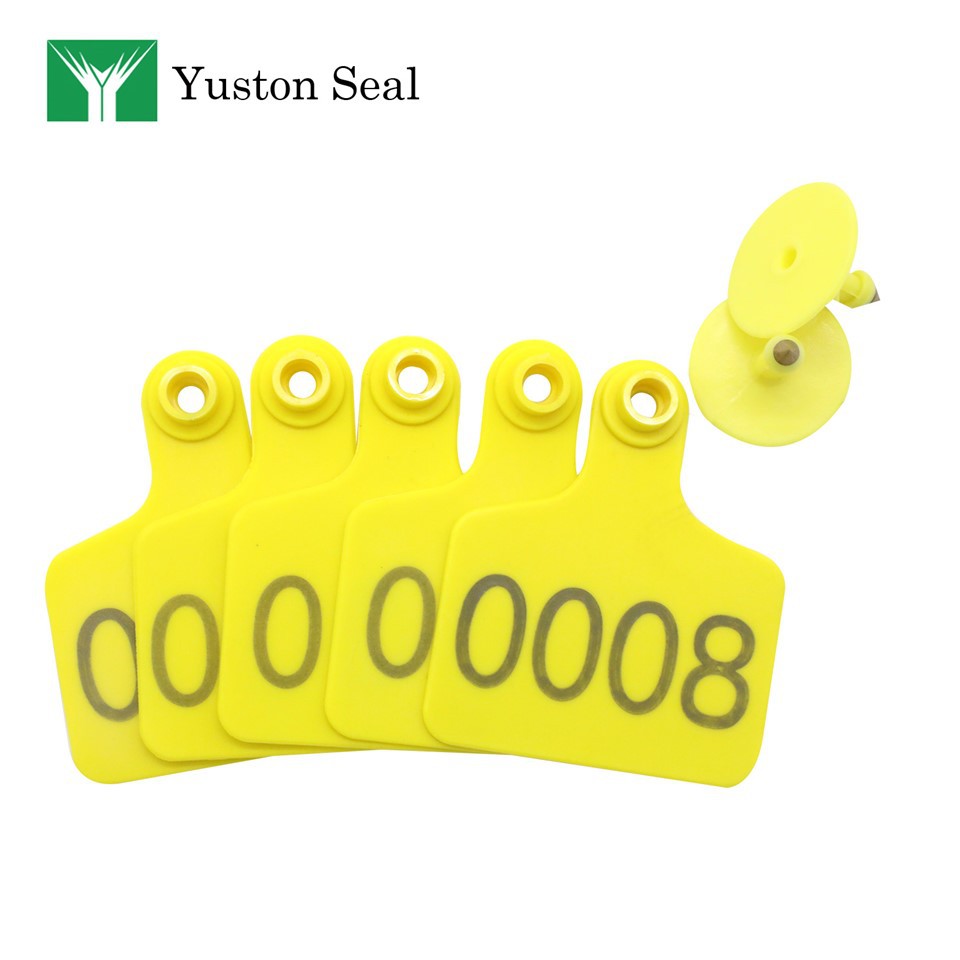
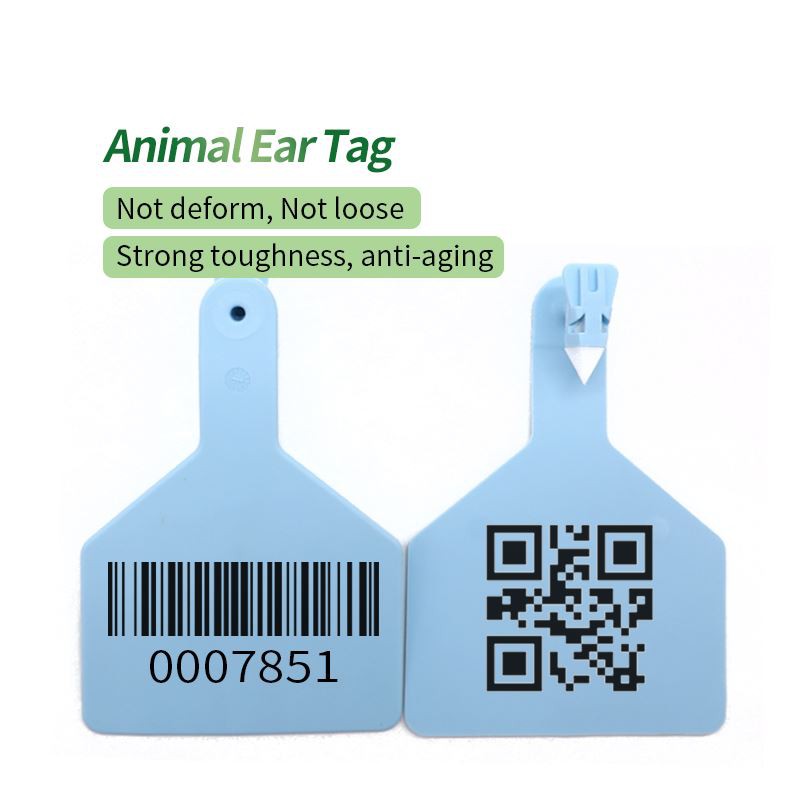
As an Ear Tag supplier, we take great pride in the quality of our products, including their signal strength. Our Ear Tag is designed with the latest technology to ensure a strong and reliable signal. We use high - quality antennas and integrated circuits, and our tags are rigorously tested to meet strict quality standards.
We understand the diverse needs of our customers, whether they are small - scale farmers or large - scale livestock producers. That's why we offer a range of ear tags with different signal strengths to suit various applications. Our technical support team is also available to provide advice on the best ear tag solution for your specific requirements.
Conclusion
In conclusion, the signal strength of an electronic ear tag is a vital factor in its performance. It affects the efficiency of animal management, the accuracy of data collection, and the compatibility with different readers. As an Ear Tag supplier, we are committed to providing high - quality ear tags with strong and reliable signal strength.
If you are interested in learning more about our ear tags or are considering a purchase, we encourage you to contact us for a detailed discussion. Our team of experts is ready to assist you in finding the perfect ear tag solution for your animal identification and management needs.
References
- "RFID Technology in Animal Identification and Traceability", Journal of Agricultural Engineering Research
- "Factors Affecting the Performance of Electronic Ear Tags", Proceedings of the International Conference on Animal Science and Technology