

Hey there! As a supplier of Metal Cable Ties, I often get asked the question: “How long do metal cable ties last?” Well, it’s not a one - size - fits - all answer, so let me break it down for you.
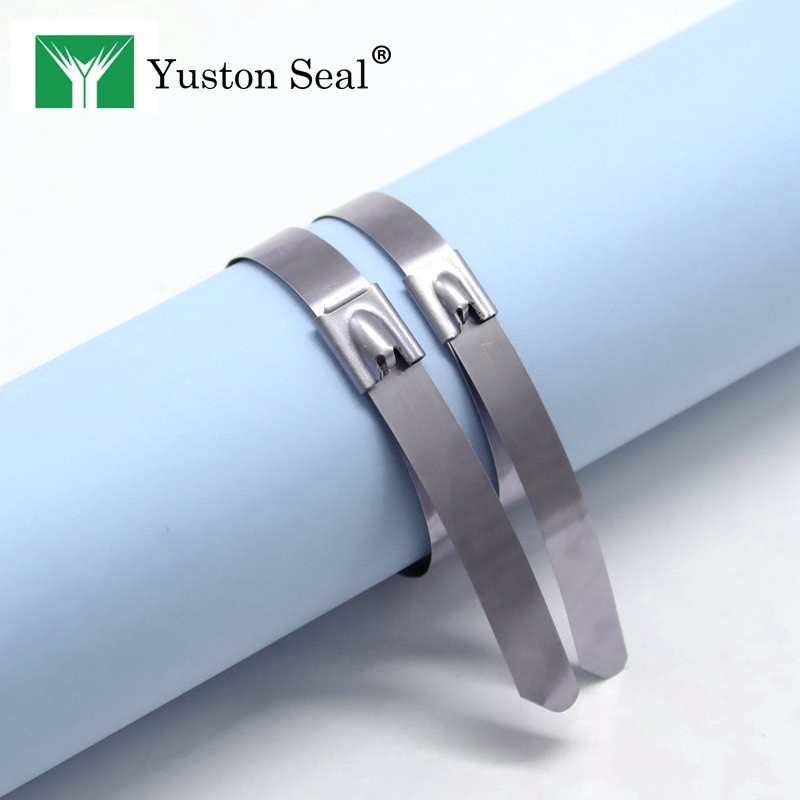
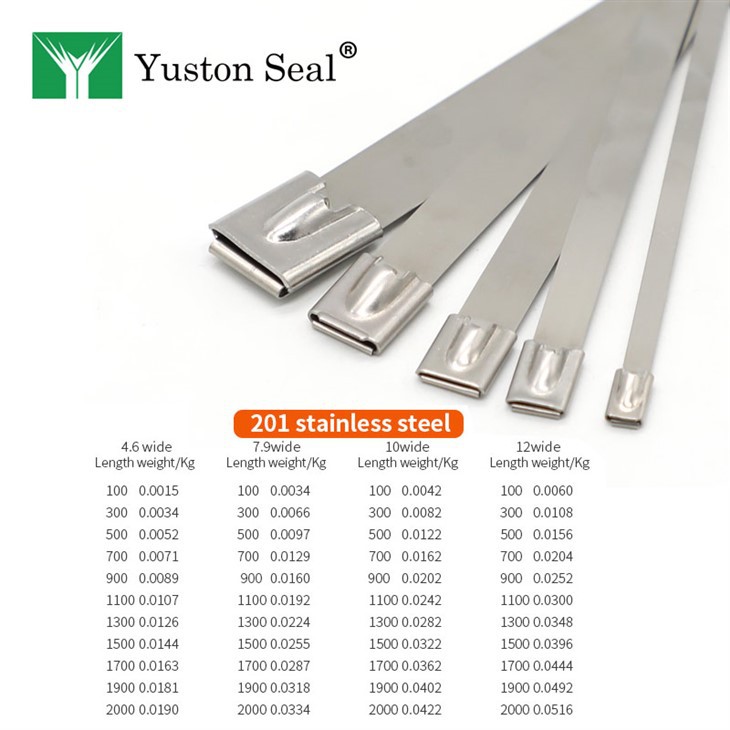
First off, let's talk about what metal cable ties are. Metal cable ties, like the ones you can check out at Metal Cable Ties, are made from various metals. The most common type is stainless steel, which offers a great balance of strength and durability. You can also find Stainless Steel Cable Ties and Stainless Steel Cable Wire Ties, each with their own unique features.
The lifespan of metal cable ties depends on several factors. One of the most important ones is the environment in which they are used. If they're in a dry, clean environment, they can last for a really long time. For example, in an indoor data center where the temperature and humidity are controlled, metal cable ties can easily last for decades. The lack of moisture and corrosive elements means that the metal won't rust or degrade quickly.
On the other hand, if the cable ties are exposed to harsh outdoor conditions, their lifespan will be significantly reduced. In coastal areas, where the air is filled with saltwater, the metal can start to corrode. Salt is a powerful corrosive agent, and it can eat away at the surface of the cable ties over time. In these conditions, even high - quality stainless steel cable ties might start to show signs of wear within a few years.
Another factor is the amount of stress the cable ties are under. If they're used to secure heavy cables or objects, they'll be under more tension. Over time, this constant stress can cause the metal to fatigue. Fatigue is when the metal weakens due to repeated loading and unloading. So, if you're using metal cable ties to hold up a large bundle of heavy electrical cables, they might not last as long as if they were just holding a few small wires together.
The quality of the metal also plays a huge role. Not all metal cable ties are created equal. Cheaper cable ties might be made from lower - grade metals that are more prone to corrosion and breakage. High - quality stainless steel cable ties, on the other hand, are made from alloys that are specifically designed to resist corrosion and withstand stress. When you invest in better - quality cable ties, you're likely to get a much longer lifespan.
Let's take a closer look at the different types of metal cable ties and how long they might last.
Stainless Steel Cable Ties
Stainless steel is the most popular choice for metal cable ties, and for good reason. It has excellent corrosion resistance, especially in mild to moderately harsh environments. In normal indoor use, stainless steel cable ties can last 20 to 30 years or even more. They're also very strong, so they can handle a fair amount of stress without breaking.
However, in extremely harsh environments, like industrial settings with high levels of chemicals or in areas with high humidity and salt exposure, the lifespan of stainless steel cable ties can be reduced to 5 - 10 years. The key is to choose the right grade of stainless steel. For example, 316 stainless steel is more resistant to corrosion than 304 stainless steel, so it will last longer in harsh conditions.
Galvanized Steel Cable Ties
Galvanized steel cable ties are coated with a layer of zinc to protect the steel from corrosion. In a dry, indoor environment, they can last around 10 - 15 years. But in outdoor or wet conditions, the zinc coating will gradually wear away, and the steel underneath will start to rust. Once the rust sets in, the cable tie's strength is compromised, and it might break within a few years.
Aluminum Cable Ties
Aluminum cable ties are lightweight and have good corrosion resistance in some environments. They're often used in applications where weight is a concern. In normal indoor use, they can last 10 - 20 years. However, aluminum is more prone to damage from abrasion and certain chemicals. In industrial settings with abrasive materials or in acidic environments, their lifespan can be reduced to 5 - 10 years.
Now, you might be wondering how you can extend the lifespan of your metal cable ties. Here are some tips:
- Proper Installation: Make sure you install the cable ties correctly. Don't overtighten them, as this can cause stress on the metal and lead to premature failure. Also, use the right tools for installation to avoid damaging the cable ties.
- Regular Inspection: Check the cable ties periodically for signs of wear, corrosion, or damage. If you notice any issues, replace the cable ties immediately.
- Choose the Right Environment: Whenever possible, use metal cable ties in environments that are suitable for their material. If you need to use them outdoors in a harsh environment, consider using additional protective coatings or covers.
In conclusion, the lifespan of metal cable ties can vary widely depending on the type of metal, the environment, the amount of stress, and the quality. But with proper selection, installation, and maintenance, you can get a long - lasting and reliable solution for your cable management needs.
If you're in the market for high - quality metal cable ties, we're here to help. We offer a wide range of Metal Cable Ties, Stainless Steel Cable Ties, and Stainless Steel Cable Wire Ties that are designed to meet your specific requirements. Whether you need them for indoor or outdoor use, we've got you covered. If you have any questions or want to discuss your cable tie needs, feel free to reach out to us. We're always happy to help you find the best solution for your project.
References
- "Corrosion of Metals" - A textbook on the science of metal corrosion and how different environments affect metal lifespan.
- "Engineering Materials: Properties and Applications" - A comprehensive guide on the properties of different engineering materials, including metals used in cable ties.