

In the intricate web of the global supply chain, security stands as a cornerstone for businesses aiming to safeguard their assets, maintain regulatory compliance, and uphold customer trust. Among the many tools employed to bolster supply chain security, container plastic seals play a pivotal yet often overlooked role. As a leading supplier of Container Plastic Seal, I've witnessed firsthand the profound impact these simple yet effective devices can have on the integrity of the supply chain. In this blog, I'll delve into the multifaceted role of container plastic seals in supply chain security, exploring their features, benefits, and real-world applications.
Understanding Container Plastic Seals
Container plastic seals are specialized devices designed to secure containers, trailers, and other transport units during transit. They are typically made from high-quality plastic materials, such as polypropylene or nylon, which offer durability, flexibility, and resistance to tampering. These seals come in various shapes, sizes, and designs to accommodate different types of containers and security requirements.
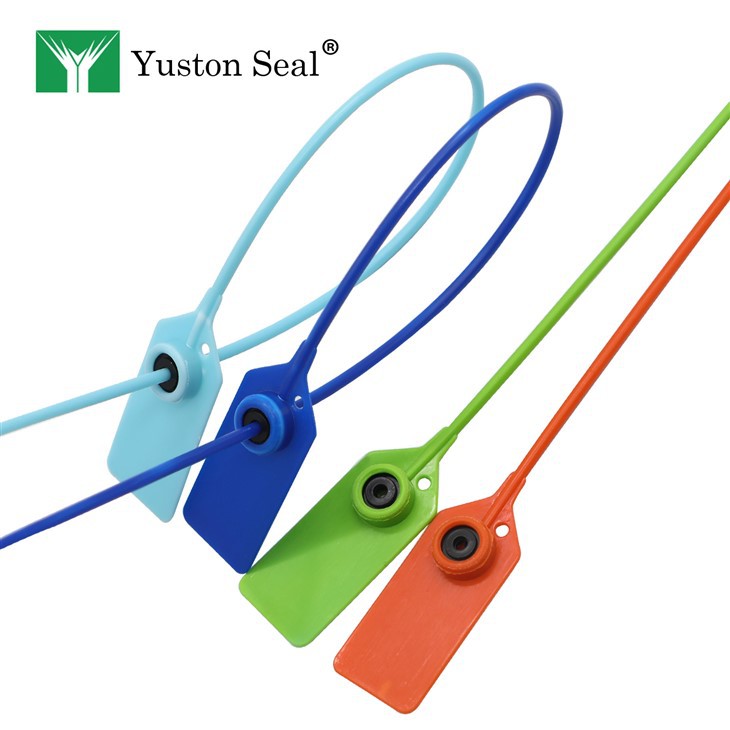
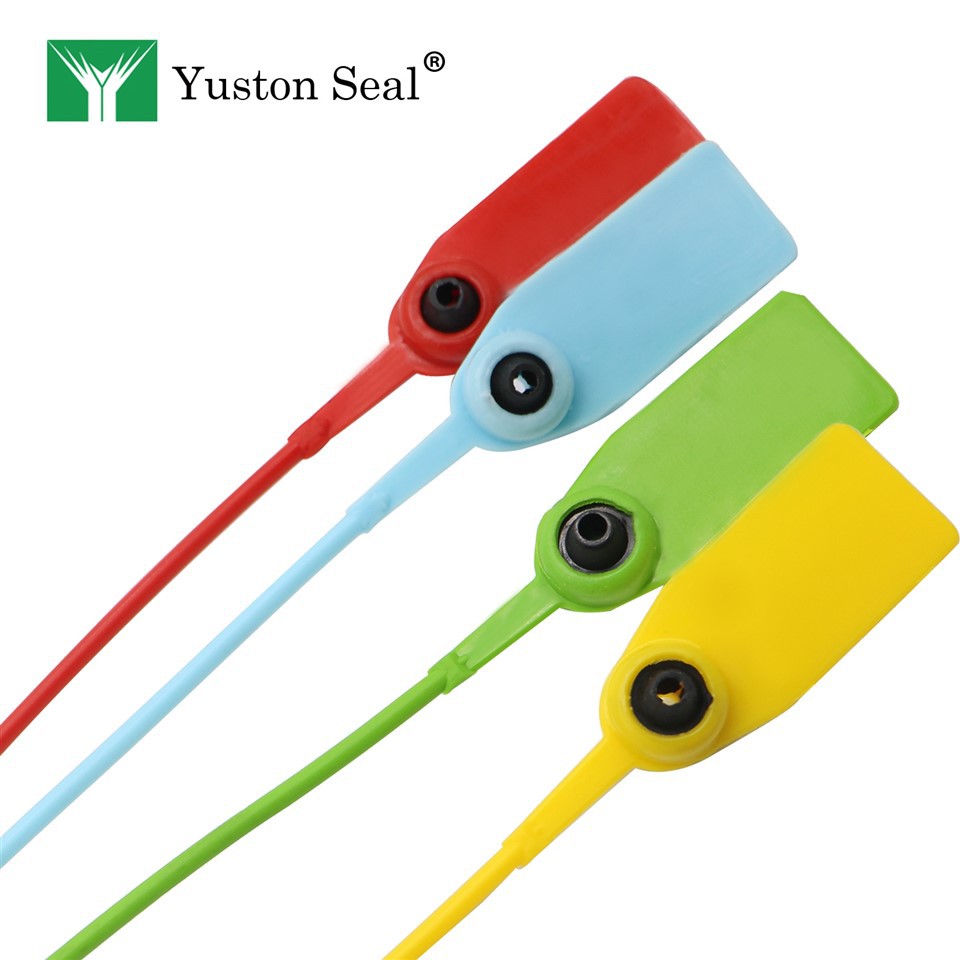
One of the key features of container plastic seals is their tamper-evident design. Once applied, these seals are difficult to remove without leaving visible signs of tampering, such as breakage, deformation, or missing parts. This makes them an effective deterrent against unauthorized access and theft, as potential intruders are less likely to attempt to breach a sealed container knowing that their actions will be easily detectable.
Another important feature of container plastic seals is their unique identification number or barcode. Each seal is assigned a distinct identifier that can be used to track and verify the seal's authenticity and integrity throughout the supply chain. This allows businesses to maintain a detailed record of seal usage, monitor the movement of goods, and quickly identify any potential security breaches.
The Role of Container Plastic Seals in Supply Chain Security
Preventing Theft and Unauthorized Access
The primary role of container plastic seals in supply chain security is to prevent theft and unauthorized access to goods during transit. By sealing containers with tamper-evident plastic seals, businesses can deter potential thieves and protect their valuable assets from loss or damage. In addition, the visible signs of tampering provided by these seals make it easier to identify and investigate any security breaches that may occur, allowing businesses to take appropriate action to recover their goods and prevent future incidents.
Ensuring Regulatory Compliance
Many industries are subject to strict regulations regarding the security and integrity of the supply chain. For example, the transportation of hazardous materials, pharmaceuticals, and food products is often governed by regulations that require the use of tamper-evident seals to prevent contamination, theft, and other security risks. By using container plastic seals that meet these regulatory requirements, businesses can ensure compliance with applicable laws and regulations, avoid costly fines and penalties, and maintain the trust of their customers and partners.
Maintaining Product Integrity
In addition to preventing theft and ensuring regulatory compliance, container plastic seals also play an important role in maintaining the integrity of products during transit. By sealing containers with plastic seals, businesses can protect their products from environmental factors, such as moisture, dust, and temperature fluctuations, which can damage or degrade the quality of the goods. This is particularly important for products that are sensitive to environmental conditions, such as electronics, pharmaceuticals, and food products.
Enhancing Traceability and Accountability
Container plastic seals with unique identification numbers or barcodes provide businesses with a powerful tool for enhancing traceability and accountability in the supply chain. By recording the seal number and other relevant information at each stage of the supply chain, businesses can track the movement of goods, verify the authenticity of the seals, and quickly identify any potential security breaches or discrepancies. This allows businesses to take proactive measures to address any issues that may arise, improve the efficiency of their supply chain operations, and maintain the trust of their customers and partners.
Real-World Applications of Container Plastic Seals
Transportation and Logistics
Container plastic seals are widely used in the transportation and logistics industry to secure shipping containers, trailers, and other transport units during transit. By sealing these containers with tamper-evident plastic seals, logistics companies can prevent theft, ensure regulatory compliance, and maintain the integrity of the goods being transported. In addition, the use of plastic seals with unique identification numbers or barcodes allows logistics companies to track the movement of goods, monitor the status of shipments, and provide real-time visibility to their customers.
Manufacturing and Distribution
Manufacturers and distributors also use container plastic seals to secure their products during storage and transportation. By sealing containers with plastic seals, manufacturers can protect their products from theft, damage, and contamination, ensuring that they reach their customers in good condition. In addition, the use of plastic seals with unique identification numbers or barcodes allows manufacturers and distributors to track the movement of goods, manage inventory levels, and improve the efficiency of their supply chain operations.
Government and Law Enforcement
Government agencies and law enforcement organizations often use container plastic seals to secure evidence, sensitive documents, and other valuable assets. By sealing these items with tamper-evident plastic seals, government agencies can prevent unauthorized access, ensure the integrity of the evidence, and maintain the chain of custody. In addition, the use of plastic seals with unique identification numbers or barcodes allows law enforcement organizations to track the movement of evidence, monitor the status of investigations, and provide a reliable record of the handling and storage of the evidence.
Choosing the Right Container Plastic Seals for Your Business
When choosing container plastic seals for your business, it's important to consider several factors, including the type of container or transport unit you need to seal, the level of security required, and the regulatory requirements that apply to your industry. Here are some tips to help you choose the right container plastic seals for your business:
Consider the Type of Container or Transport Unit
Different types of containers and transport units require different types of plastic seals. For example, shipping containers typically require heavy-duty seals that can withstand the rigors of long-distance transportation, while smaller containers and packages may require lighter-duty seals that are easier to apply and remove. When choosing plastic seals, make sure to select seals that are compatible with the type of container or transport unit you need to seal.
Evaluate the Level of Security Required
The level of security required for your business will depend on several factors, including the value of the goods being transported, the risk of theft or unauthorized access, and the regulatory requirements that apply to your industry. If you're transporting high-value goods or sensitive information, you may need to choose plastic seals that offer a higher level of security, such as Plastic Tamper Proof Seals or disposable plastic seals that cannot be reused. On the other hand, if you're transporting low-value goods or non-sensitive information, you may be able to choose plastic seals that offer a lower level of security, such as reusable plastic seals or seals with a lower tamper-evidence rating.
Check for Regulatory Compliance
Many industries are subject to strict regulations regarding the use of tamper-evident seals to prevent theft, contamination, and other security risks. When choosing plastic seals, make sure to select seals that meet the regulatory requirements that apply to your industry. For example, if you're transporting hazardous materials, you may need to choose plastic seals that are approved by the Department of Transportation (DOT) or other regulatory agencies.
Consider the Cost and Availability
The cost and availability of plastic seals can vary depending on several factors, including the type of seal, the quantity ordered, and the supplier. When choosing plastic seals, make sure to compare prices and features from different suppliers to find the best value for your money. In addition, make sure to choose a supplier that offers reliable delivery and customer support to ensure that you can get the seals you need when you need them.
Conclusion
Container plastic seals play a crucial role in supply chain security by preventing theft, ensuring regulatory compliance, maintaining product integrity, and enhancing traceability and accountability. As a leading supplier of Container Plastic Seal, I understand the importance of providing high-quality, reliable, and cost-effective plastic seals to businesses of all sizes. Whether you're a logistics company, a manufacturer, a distributor, or a government agency, I can help you choose the right plastic seals for your business and provide you with the support and expertise you need to ensure the security and integrity of your supply chain.
If you're interested in learning more about our container plastic seals or would like to discuss your specific security needs, please don't hesitate to contact us. Our team of experts is available to answer your questions, provide you with a free quote, and help you find the best solution for your business.
References
- "Supply Chain Security: Best Practices and Emerging Trends." Journal of Supply Chain Management, vol. 50, no. 2, 2014, pp. 12-23.
- "Tamper-Evident Packaging: A Review of Current Technologies and Applications." Packaging Technology and Science, vol. 27, no. 3, 2014, pp. 153-165.
- "The Role of Seals in Supply Chain Security." Journal of Commerce, 2015.