

As a supplier of Metal Trailer Seals, I often get asked about the lifespan of these crucial security devices. Metal trailer seals are essential for ensuring the integrity of goods during transit, providing a visible sign of tampering and helping to prevent theft and unauthorized access. In this blog post, I'll delve into the factors that influence the longevity of metal trailer seals and offer some insights into how you can maximize their lifespan.
Understanding Metal Trailer Seals
Before we discuss how long metal trailer seals last, let's first understand what they are and how they work. Metal trailer seals are typically made from high - strength metals such as steel or aluminum. They come in various forms, including bolt seals, cable seals, and strap seals. Metal Trailer Seals are designed to be affixed to the doors or hatches of trailers, trucks, or shipping containers, creating a barrier that can only be broken by cutting or destroying the seal.
Once a seal is applied, it leaves a unique identification number or marking. This number is recorded at the time of sealing, and any discrepancy or breakage of the seal upon arrival at the destination indicates potential tampering. The effectiveness of a metal trailer seal depends not only on its ability to deter unauthorized access but also on its durability over time.
Factors Affecting the Lifespan of Metal Trailer Seals
Several factors can influence how long metal trailer seals last. These include:
1. Environmental Conditions
The environment in which the seal is used plays a significant role in its lifespan. Exposure to extreme temperatures, humidity, saltwater, and chemicals can cause corrosion and degradation of the metal. For example, in coastal areas where the air contains high levels of salt, metal trailer seals are more likely to corrode compared to those used in inland, dry environments. Seals used in industrial settings where they may be exposed to chemicals or abrasive materials may also experience accelerated wear and tear.
2. Quality of Materials
The quality of the metal used in the seal is another critical factor. High - grade metals are more resistant to corrosion, rust, and physical damage. Seals made from stainless steel, for instance, are generally more durable than those made from regular steel. Additionally, the manufacturing process can affect the quality of the seal. Seals that are well - made with precise machining and finishing are less likely to fail prematurely.
3. Frequency of Handling
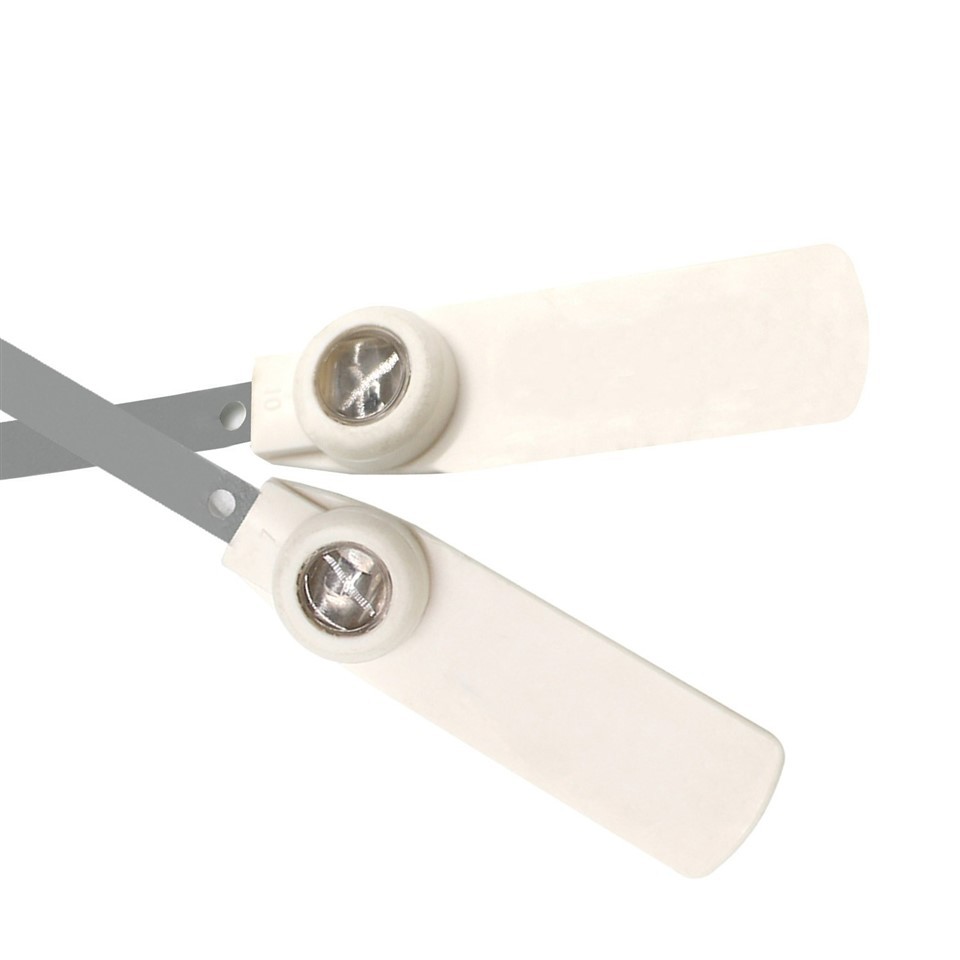
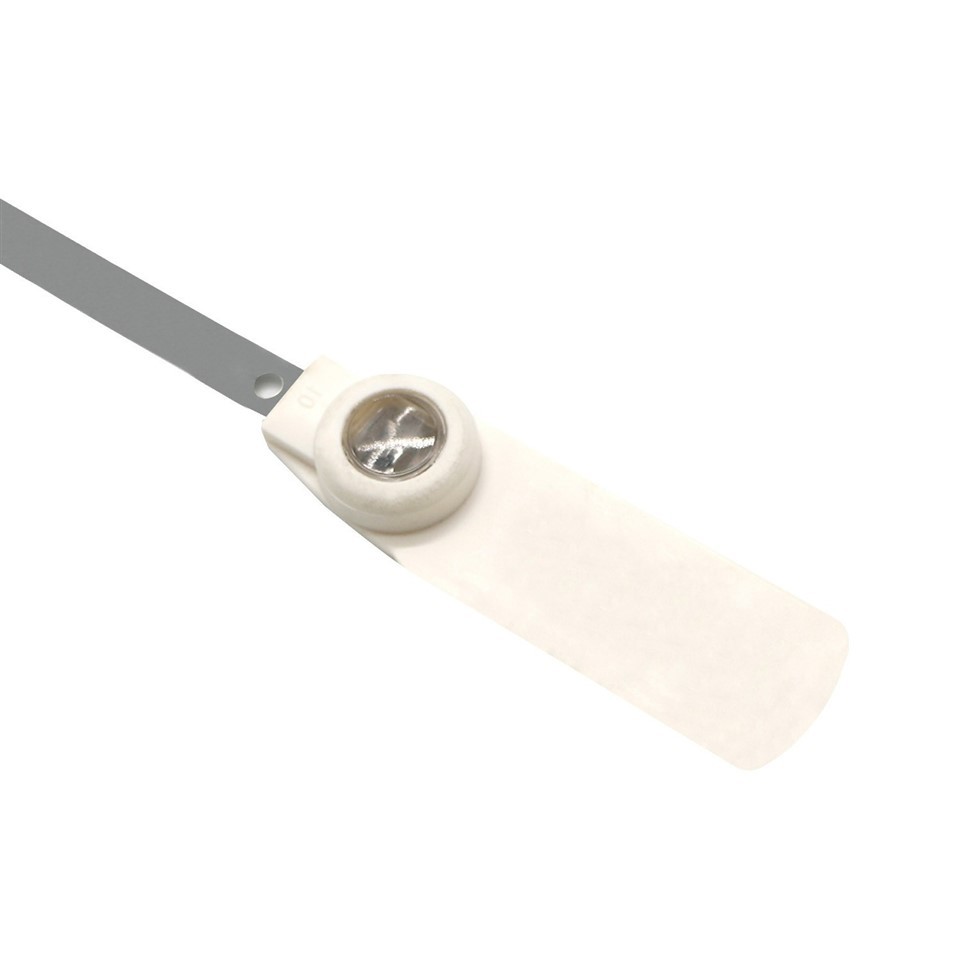
The number of times a seal is handled during transit can also impact its lifespan. Rough handling, such as dropping or hitting the seal, can cause damage to its structure. Seals that are frequently jostled or subjected to vibrations during transportation may develop cracks or weaken over time. This is especially true for Round Head Metal Strap Seal, which may be more susceptible to bending or breaking if not handled carefully.
4. Type of Seal
Different types of metal trailer seals have different lifespans. Bolt seals, for example, are generally more robust and can last longer than cable seals. Bolt seals are designed to be very difficult to break without the proper tools, and their solid construction makes them more resistant to environmental factors and physical damage. Cable seals, on the other hand, are more flexible but may be more prone to cutting or fraying.
Average Lifespan of Metal Trailer Seals
It's difficult to give a precise answer to how long metal trailer seals last, as it depends on the factors mentioned above. However, under normal conditions, a high - quality metal trailer seal can last anywhere from several months to a few years.
In a relatively mild environment with proper handling, a well - made bolt seal could last up to two or three years. Cable seals, due to their more flexible nature, may have a lifespan of around one to two years. Strap seals, which are often used for lighter applications, can last from six months to a year, depending on the quality and usage.
Maximizing the Lifespan of Metal Trailer Seals
As a supplier, I always recommend the following tips to help customers maximize the lifespan of their metal trailer seals:
1. Choose the Right Seal for the Application
Selecting the appropriate type of seal based on the specific requirements of the shipment is crucial. For high - security applications or shipments that will be exposed to harsh conditions, a more robust bolt seal may be the best choice. For lighter loads or short - term use, a cable or strap seal may suffice.
2. Proper Installation
Ensure that the seal is installed correctly. Improper installation can lead to premature failure. Follow the manufacturer's instructions carefully, and make sure that the seal is tightened securely without over - tightening, which could also cause damage.
3. Regular Inspection
Regularly inspect the seals during transit and at the destination. Look for signs of corrosion, damage, or tampering. If any issues are detected, replace the seal immediately to maintain the security of the shipment.
4. Protect from Harsh Environments
If possible, protect the seals from extreme environmental conditions. This could involve using protective coatings or storing the sealed trailers in a sheltered area when not in transit.
Conclusion
The lifespan of metal trailer seals can vary widely depending on environmental conditions, material quality, handling frequency, and the type of seal. By understanding these factors and taking appropriate measures to maximize their lifespan, customers can ensure the continued security of their shipments.
At our company, we are committed to providing high - quality Metal Truck Seals and Metal Trailer Seals that meet the highest standards of durability and security. If you have any questions about our products or need assistance in choosing the right seal for your application, please don't hesitate to contact us. We look forward to discussing your requirements and helping you find the best solutions for your shipping security needs.
References
- American Society for Testing and Materials (ASTM). Standards related to metal corrosion and durability.
- International Maritime Organization (IMO). Guidelines for container security and seal usage.