

With the continuous development of the economy and the gradual standardization of various industries, the application of stainless steel cable ties is becoming more and more widespread. However, some users are not very familiar with their specifications and sizes. If they buy the wrong product, it will cause economic losses. So, how to determine the specifications and sizes of the product?
1. Users need to have clear usage requirements. Determine the tensile strength and service life of the required zip ties based on the characteristics of the binding. Generally speaking, the tensile strength of homemade cable ties is higher than that of prefabricated cable ties. Therefore, if there are high requirements for bundling quality and tension, homemade zip ties can be chosen.
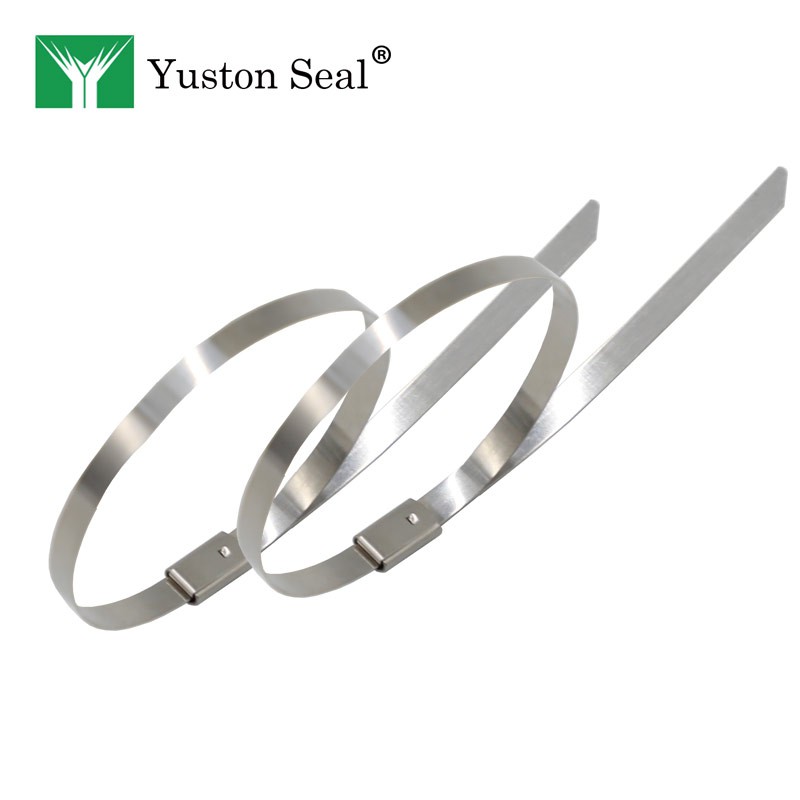
2. Clearly define the humidity, temperature, and pH value of the usage environment. The material requirements for cable ties vary depending on the usage environment. Stainless steel of different materials has different corrosion resistance, among which the commonly used materials are 201.304.316 stainless steel.
Among them, 201 has a low nickel content and is more suitable for dry environments. The 304 nickel content exceeds 8% and has excellent corrosion resistance. Suitable for any environment without acidity or alkalinity, 316 is generally suitable for humid environments with weak acids and bases.
3. The installation dimensions should be clearly defined. You can learn about the choice between prefabricated cable ties or homemade cable ties based on their size. If the binding size is uniform, you can choose prefabricated zip ties with specific lengths, which can save a lot of time. If the binding size is not uniform and the shape is different, homemade zip ties are generally chosen, and the required length can be reduced according to the on-site situation.