

A security seal label is an identification tool used to identify and seal specific areas or items to ensure their security status is not altered or accessed by unauthorized parties. This type of seal label is widely used in multiple fields, such as logistics, warehousing, construction sites, and safety production scenarios, and is an important means of ensuring the safety of goods and places. The following is a detailed analysis of the security seal label:
1, Basic Definition and Function
A security seal label is usually a narrow strip of paper, plastic, nylon, steel wire, or polypropylene material with specific information printed on it, such as date, time, identification symbol, warning slogan, or hazard warning. These pieces of information help to record and manage the flow of goods, while also serving as a warning and preventing unauthorized access. When an item or place is sealed, a security seal label is affixed to the sealed point to indicate its sealed status. Once someone attempts to break or alter this state, the seal will be broken, leaving clear evidence.
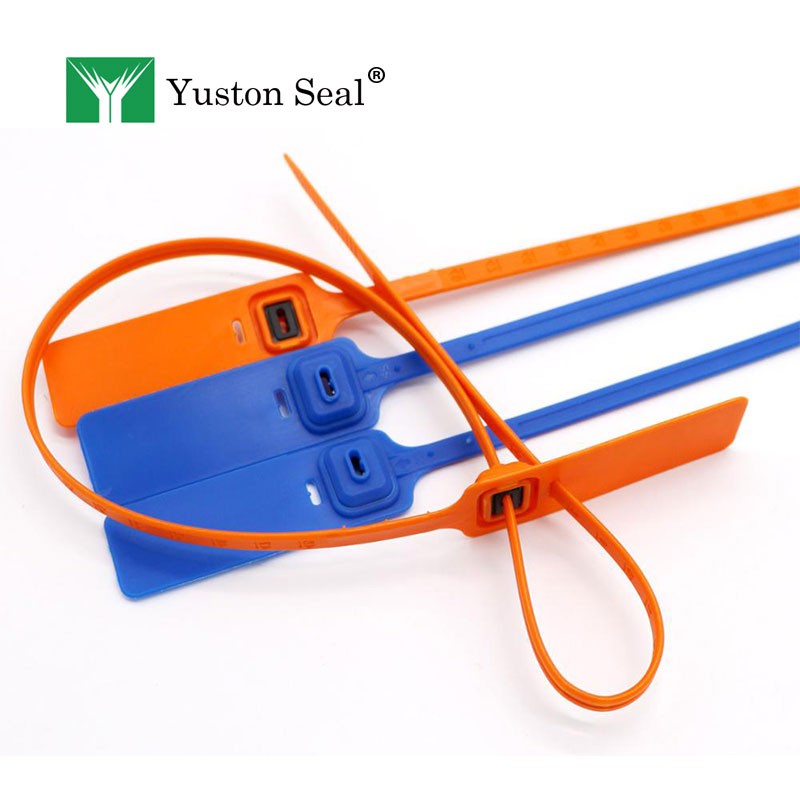
2, Application Fields
Logistics warehousing: During logistics transportation and warehousing, security seal labels are used to seal cargo boxes or packages, ensuring the integrity and safety of goods during transportation and storage. By checking the integrity of the seal, it is possible to determine whether the goods have been tampered with or stolen.
Construction sites: Safety seal labels are commonly used on construction sites to seal off hazardous areas or equipment, preventing unauthorized personnel from entering or operating, thereby reducing the risk of accidents.
Safety production: In industrial production, especially when involving hazardous equipment or areas, safety seal labels are used to block and warn of hazards. This helps prevent unauthorized personnel from coming into contact with hazardous equipment and ensures the safety of staff.
3, Characteristics and advantages
Physical protection: Security seal labels directly prevent unauthorized access or alteration through physical sealing.
Information recording: Specific information on the seal (such as date, time, etc.) helps to record and manage the flow of items, providing a basis for traceability and investigation.
Warning function: The warning signs or danger warnings on the seal can remind people to pay attention to safety and avoid accidents.
Easy to judge: The safety seal label is brightly colored and clearly labeled, making it easy to determine whether its status has been damaged or altered.
Multiple materials to choose from: Depending on the needs of different application scenarios, different materials of security seal labels can be selected to meet different protection requirements.
4, Precautions for use
Correct installation: When installing the safety seal label, ensure that it is firmly attached to the sealing point to avoid easy tearing or damage.
Regular inspection: The status of the security seal label should be checked regularly to ensure its integrity has not been compromised. Once the seal is found to be damaged or altered, corresponding measures should be taken immediately for investigation and handling.
Compliant use: When using security seal labels, relevant laws, regulations, and industry standards should be followed to ensure their compliance and effectiveness.
In summary, security seal labels are an important security identification tool that protects and manages the security status of items and places through a dual function of physical and recording. In practical applications, appropriate seal label types and installation methods should be selected based on specific needs and scenarios to ensure their effectiveness and reliability.