

As a seasoned supplier of metal strap seals, I understand the crucial role these seals play in ensuring the security and integrity of various containers. One of the most common concerns our customers have is how to ensure that the metal strap seal remains undamaged during the installation process. In this blog post, I will share some valuable insights and practical tips to help you achieve this goal.
Understanding the Importance of an Undamaged Metal Strap Seal
Before delving into the installation process, it's essential to understand why an undamaged metal strap seal is so important. A damaged seal can compromise the security of the container, allowing unauthorized access or tampering. It can also lead to issues with regulatory compliance, as many industries have strict requirements for seal integrity. Additionally, a damaged seal may not provide an accurate indication of whether the container has been opened or tampered with, which can be a significant problem in situations where security and accountability are paramount.
Pre-Installation Preparation
The first step in ensuring that the metal strap seal is not damaged during installation is proper preparation. Here are some key considerations:
- Inspect the Seal: Before installation, carefully inspect the metal strap seal for any visible damage, such as cracks, dents, or scratches. If you notice any issues, do not use the seal and contact your supplier for a replacement.
- Choose the Right Seal for the Application: Different applications may require different types of metal strap seals. Consider factors such as the size and shape of the container, the level of security required, and the environmental conditions in which the seal will be used. For example, if you are sealing a container that will be exposed to harsh weather conditions, you may want to choose a seal that is made from a corrosion-resistant material.
- Gather the Necessary Tools: Make sure you have all the tools you need for the installation process. This may include a seal applicator, a cutter, and a torque wrench. Using the right tools will help ensure that the seal is installed correctly and without damage.
Installation Process
Once you have completed the pre-installation preparation, it's time to install the metal strap seal. Here are some steps to follow:
- Position the Seal Correctly: Place the metal strap seal around the container in the desired location. Make sure the seal is centered and aligned properly. If the seal is not positioned correctly, it may be more likely to become damaged during the installation process.
- Apply the Seal Using the Right Technique: Use the seal applicator to apply the seal to the container. Follow the manufacturer's instructions carefully to ensure that the seal is applied with the correct amount of force. Applying too much force can damage the seal, while applying too little force may result in a loose or ineffective seal.
- Cut the Strap to the Right Length: Use a cutter to cut the strap to the appropriate length. Make sure the cut is clean and straight. A jagged or uneven cut can cause the seal to become damaged or may make it more difficult to install.
- Check the Seal for Proper Installation: After the seal has been installed, check it to make sure it is properly seated and that there are no signs of damage. The seal should be tight and secure, but not overly tight. If the seal is too tight, it may cause the container to deform or may damage the seal itself.
Common Mistakes to Avoid
To ensure that the metal strap seal is not damaged during installation, it's important to avoid some common mistakes. Here are a few examples:
- Using the Wrong Tools: Using the wrong tools can make the installation process more difficult and increase the risk of damage to the seal. Make sure you use the tools recommended by the manufacturer.
- Applying Too Much Force: Applying too much force when installing the seal can cause it to crack, break, or become deformed. Follow the manufacturer's instructions carefully to ensure that you are applying the right amount of force.
- Not Checking the Seal for Damage: Before using a metal strap seal, always check it for any visible damage. Using a damaged seal can compromise the security of the container and may lead to other issues.
- Improper Storage: Improper storage of the metal strap seals can also cause damage. Make sure you store the seals in a dry, cool place and protect them from moisture, dust, and other contaminants.
Additional Tips for Ensuring Seal Integrity
In addition to following the steps outlined above, there are some additional tips that can help you ensure the integrity of the metal strap seal:
- Train Your Staff: Make sure your staff is properly trained on how to install and use the metal strap seals. This will help ensure that the seals are installed correctly and without damage.
- Conduct Regular Inspections: Regularly inspect the metal strap seals to make sure they are still in good condition. If you notice any signs of damage or wear, replace the seal immediately.
- Keep Records: Keep records of all seal installations, including the date, time, location, and any relevant details. This will help you track the usage of the seals and ensure that they are being used properly.
Conclusion
Ensuring that the metal strap seal is not damaged during installation is essential for maintaining the security and integrity of your containers. By following the tips and guidelines outlined in this blog post, you can minimize the risk of damage and ensure that your seals are installed correctly and effectively.
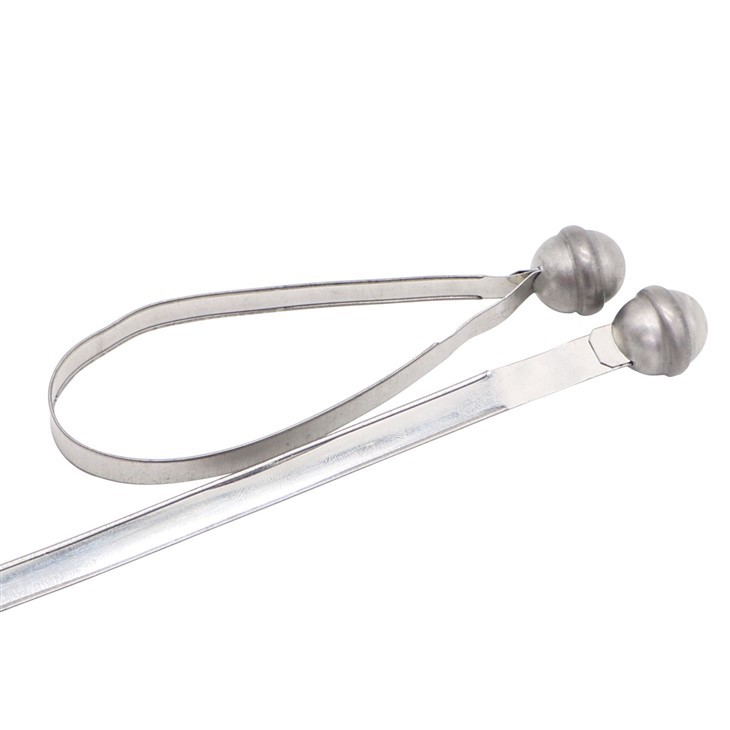
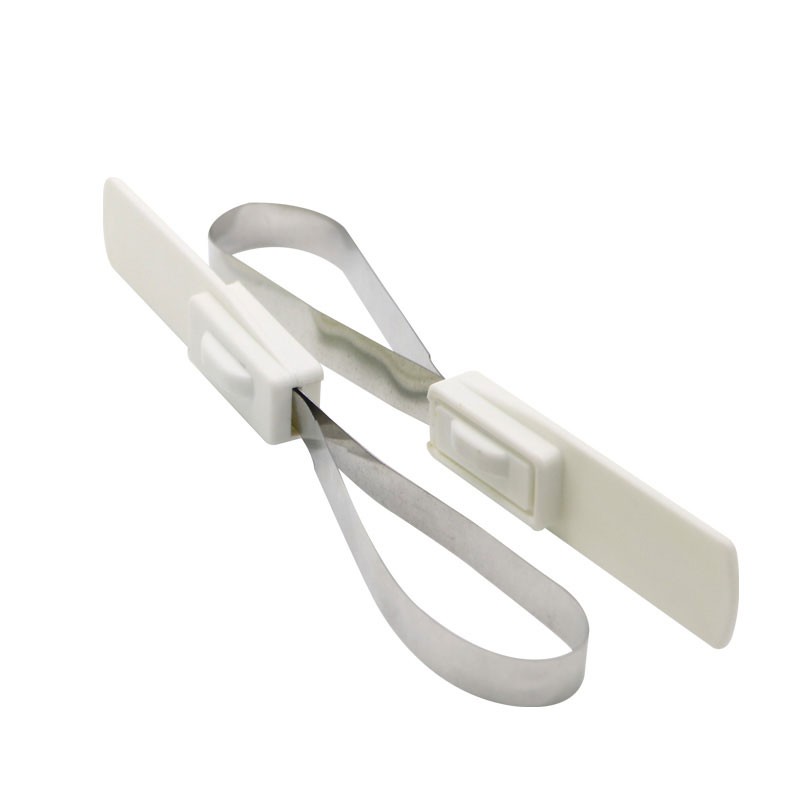
If you are interested in learning more about our Metal Seals For Containers or Metal Container Seals, including our Round Head Metal Strap Seal, please feel free to contact us. We are always happy to assist you with your sealing needs and provide you with the best products and services.
References
- Manufacturer's instructions for metal strap seal installation.
- Industry standards and best practices for container sealing.