

Metal cable ties are widely used in various industries for bundling, securing, and organizing cables, wires, and other objects. However, there comes a time when you need to remove them, whether it's for re - organizing, replacing, or recycling. As a Metal Cable Ties supplier, I've encountered numerous customers who are unsure about the best methods to remove these ties. In this blog post, I'll share some effective ways to remove metal cable ties.
Understanding Metal Cable Ties
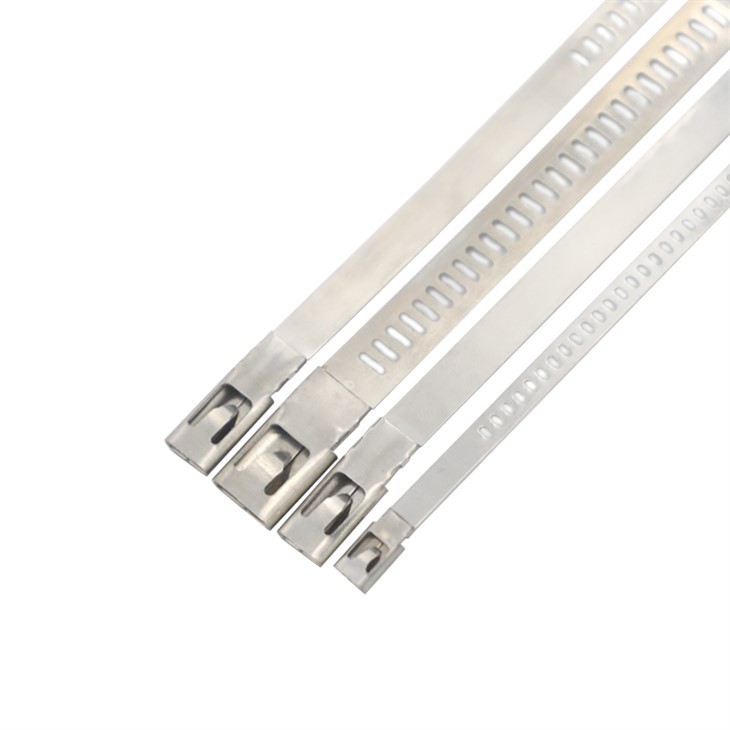
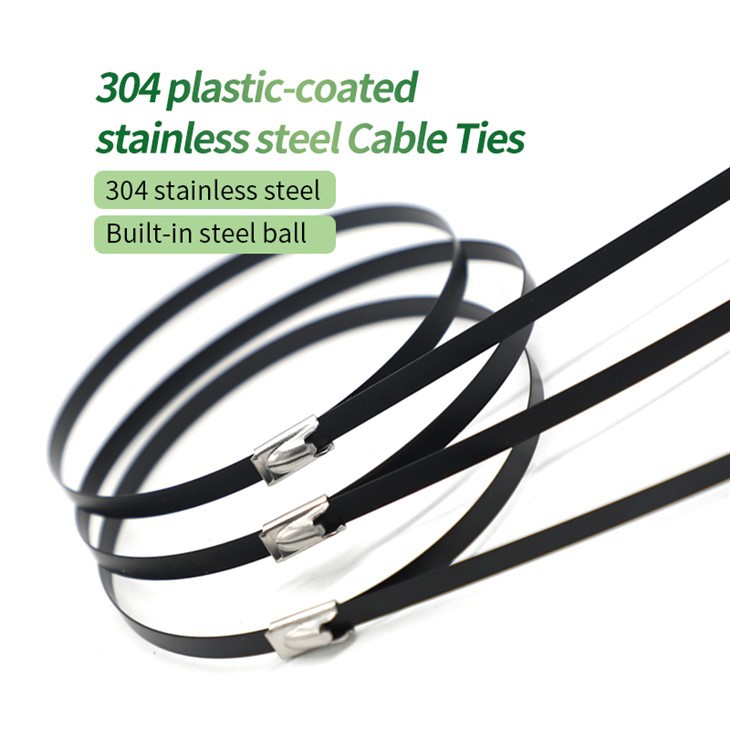
Before delving into the removal methods, it's essential to understand the types of metal cable ties available. We offer a range of high - quality metal cable ties, including Stainless Steel Cable Ties, Black Stainless Steel Zip Ties, and Stainless Steel Cable Wire Ties. These ties are known for their durability, corrosion resistance, and high - strength properties. They are typically made of stainless steel, which can withstand harsh environmental conditions and heavy loads.
Tools Required for Removal
The tools you'll need to remove metal cable ties depend on the type of tie and the application. Here are some common tools that can be used:
- Wire Cutters: This is one of the most commonly used tools for removing metal cable ties. They are suitable for cutting through the thin metal bands of the ties. Make sure to choose wire cutters with sharp blades to ensure a clean cut.
- Side - Cutting Pliers: Side - cutting pliers can also be used to cut metal cable ties. They are more versatile than wire cutters as they can be used in tight spaces. The cutting edges of side - cutting pliers are designed to cut close to the surface, which is useful when you don't want to leave a long tail of the tie.
- Utility Knife: A utility knife can be used to score the metal cable tie at the locking mechanism. This can weaken the tie and make it easier to break or cut. However, be careful when using a utility knife as it can be dangerous if not handled properly.
- Cable Tie Removal Tool: There are specialized cable tie removal tools available in the market. These tools are designed specifically for removing cable ties and can make the process quicker and easier. They usually have a sharp blade or a mechanism that can disengage the locking mechanism of the tie.
Step - by - Step Removal Methods
Method 1: Using Wire Cutters or Side - Cutting Pliers
- Locate the Locking Mechanism: The locking mechanism is the part of the cable tie that holds it in place. It is usually located at the end of the tie where the metal band passes through a small opening.
- Position the Tool: Place the cutting blades of the wire cutters or side - cutting pliers as close to the locking mechanism as possible. This will ensure that you cut through the tie cleanly and leave a short tail.
- Apply Pressure and Cut: Squeeze the handles of the tool firmly to cut through the metal cable tie. Make sure to apply enough pressure to cut through the tie completely. If the tie is thick or made of high - strength metal, you may need to use more force.
- Inspect the Area: After cutting the tie, inspect the area to make sure there are no sharp edges or loose pieces of metal. If there are, use a file or sandpaper to smooth them out.
Method 2: Using a Utility Knife
- Score the Locking Mechanism: Hold the utility knife at a slight angle and score the metal cable tie at the locking mechanism. Make several light cuts to weaken the tie.
- Break the Tie: Once you have scored the tie, try to break it by applying pressure on both sides of the scored area. If the tie doesn't break easily, you can use the utility knife to make a deeper cut.
- Remove the Tie: After the tie is broken, remove it from the cables or objects it was holding.
Method 3: Using a Cable Tie Removal Tool
- Insert the Tool: Insert the cable tie removal tool into the locking mechanism of the metal cable tie. Make sure the tool is properly aligned with the locking mechanism.
- Disengage the Lock: Use the tool to disengage the locking mechanism of the tie. This may involve pressing a button or pulling a lever, depending on the design of the tool.
- Remove the Tie: Once the locking mechanism is disengaged, the tie can be easily removed from the cables or objects.
Safety Precautions
When removing metal cable ties, it's important to take some safety precautions to avoid injuries:
- Wear Protective Gear: Wear safety glasses to protect your eyes from flying metal fragments. You may also want to wear gloves to protect your hands from sharp edges.
- Use the Right Tool: Make sure to use the appropriate tool for the job. Using the wrong tool can damage the tool or the tie and may also increase the risk of injury.
- Work in a Well - Ventilated Area: If you are using a utility knife or other cutting tools, work in a well - ventilated area to avoid inhaling any metal dust or fumes.
- Be Careful with Sharp Edges: After removing the tie, be careful of the sharp edges of the cut tie and any remaining pieces of metal. Use a file or sandpaper to smooth them out.
Reusing or Recycling Metal Cable Ties
Once you have removed the metal cable ties, you may consider reusing or recycling them. If the ties are still in good condition, you can reuse them for other applications. However, if they are damaged or worn out, it's a good idea to recycle them. Recycling metal cable ties helps to conserve natural resources and reduce waste.
Conclusion
Removing metal cable ties can be a straightforward process if you have the right tools and follow the proper methods. As a Metal Cable Ties supplier, we understand the importance of providing high - quality products and useful information to our customers. Whether you need Stainless Steel Cable Ties, Black Stainless Steel Zip Ties, or Stainless Steel Cable Wire Ties, we have the products to meet your needs.
If you are interested in purchasing our metal cable ties or have any questions about their use and removal, please feel free to contact us for further discussion and procurement negotiation. We look forward to serving you.
References
- "Cable Ties: A Comprehensive Guide" - Industry Handbook
- "Best Practices for Removing Cable Ties" - Professional Maintenance Magazine