

Ensuring the proper functioning of a container lock is crucial for the security and integrity of your valuable cargo. As a leading container lock supplier, we understand the importance of reliable locking solutions. In this blog post, we'll share some essential tips and insights on how to ensure your container locks work effectively.
Understanding the Types of Container Locks
Before delving into maintenance and proper use, it's important to know the different types of container locks available. We offer a variety of high - quality container locks, each designed for specific needs. For instance, the Heavy Duty Container Lock is built to withstand harsh conditions and heavy - duty applications. It's made from robust materials that can resist corrosion and physical damage, providing long - term security for large - scale cargo containers.
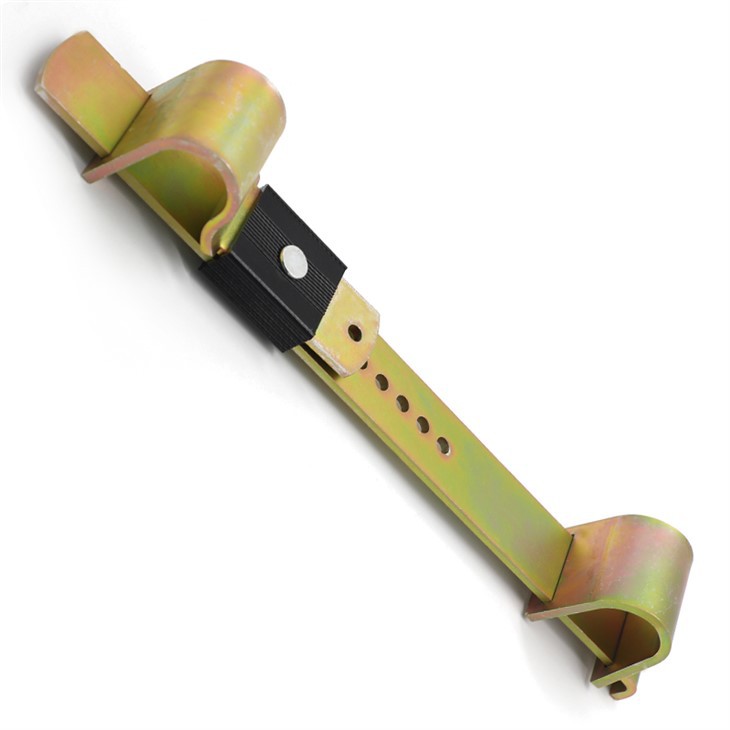
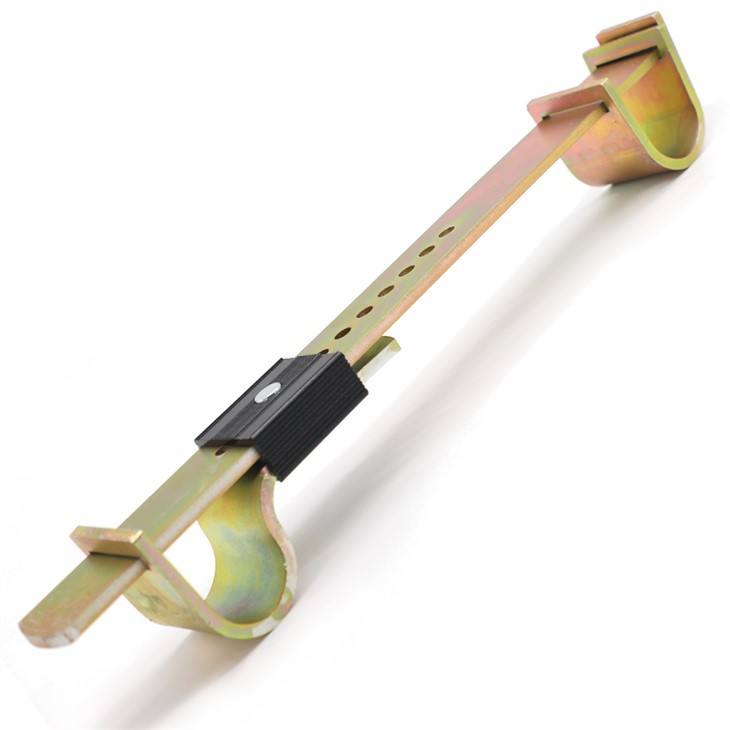
The Adjustable Container Lock is another popular option. This type of lock allows for flexibility in use, as it can be adjusted to fit different container sizes and configurations. Whether you're dealing with standard or non - standard containers, an adjustable lock ensures a proper fit and reliable security.
If you're using trailers to transport containers, the Trailer Container Lock is a must - have. It's specifically designed to secure containers on trailers, preventing unauthorized access and ensuring that your cargo stays safe during transit.
Installation
Proper installation is the first step in ensuring the proper functioning of a container lock. When installing a container lock, make sure to follow the manufacturer's instructions carefully. Incorrect installation can lead to issues such as misalignment, which may prevent the lock from engaging properly or cause it to break easily.
Before installation, clean the area where the lock will be installed. Remove any dirt, debris, or rust that could interfere with the lock's operation. Ensure that the mounting holes are properly aligned and that the lock is firmly attached. Use the appropriate tools and hardware provided with the lock to ensure a secure fit.
Regular Inspection
Regular inspection is essential for maintaining the proper functioning of container locks. Inspect your locks at least once a month, or more frequently if the containers are in high - use or high - risk environments.
Check for signs of wear and tear, such as cracks, dents, or rust. These can weaken the lock and compromise its security. Pay special attention to the locking mechanism. Make sure that the key turns smoothly and that the bolt extends and retracts without any resistance. If you notice any issues during the inspection, replace the lock immediately.
Inspect the shackle, which is the U - shaped part of the lock. A damaged or bent shackle can prevent the lock from closing properly or can be easily broken. Ensure that the shackle is straight and that it fits securely into the locking mechanism.
Lubrication
Lubrication is an important part of container lock maintenance. Over time, dirt and debris can accumulate inside the lock, causing it to jam or operate sluggishly. Applying a high - quality lubricant to the lock can help prevent these issues.
Use a lubricant specifically designed for locks. Avoid using oil - based lubricants, as they can attract dirt and cause more problems in the long run. Instead, opt for a dry graphite lubricant or a silicone - based lubricant. Apply the lubricant to the keyhole and the locking mechanism. Insert the key and turn it several times to distribute the lubricant evenly.
Protection from the Elements
Container locks are often exposed to the elements, which can cause corrosion and damage over time. To protect your locks from the elements, consider using a protective cover. A cover can shield the lock from rain, snow, and sunlight, extending its lifespan.
If the containers are stored outdoors, you can also apply a rust - resistant coating to the locks. This can help prevent rust from forming and keep the lock in good condition. Additionally, make sure that the containers are properly sealed to prevent water from entering and causing damage to the locks.
Training for Users
If multiple people are using the container locks, it's important to provide them with proper training. Train users on how to correctly install, operate, and maintain the locks. Teach them about the importance of regular inspection and lubrication.
Make sure that users know how to handle the keys properly. Encourage them to keep the keys in a safe place and to report any lost or stolen keys immediately. By educating users, you can reduce the risk of improper use and ensure that the locks function properly at all times.
Compatibility with Containers
Ensure that the container locks you choose are compatible with your containers. Different containers may have different locking requirements, such as different sizes and types of locking points. Using an incompatible lock can lead to improper installation and reduced security.
Before purchasing a lock, measure the dimensions of the container's locking points and compare them with the specifications of the lock. If you're unsure, consult with our team of experts. We can help you select the right lock for your specific container and application.
Security Upgrades
As security threats evolve, it may be necessary to upgrade your container locks. Consider investing in locks with advanced security features, such as anti - drill and anti - pick technology. These features can provide an extra layer of protection against theft and unauthorized access.
Stay informed about the latest security trends and technologies in the container lock industry. By upgrading your locks regularly, you can ensure that your cargo remains secure and that your container locks continue to function properly.
Professional Maintenance
In addition to regular inspections and maintenance by users, it's also a good idea to have your container locks professionally maintained at least once a year. Professional maintenance can identify and address any underlying issues that may not be visible during a regular inspection.
A professional locksmith or maintenance technician can disassemble the lock, clean it thoroughly, and replace any worn or damaged parts. They can also perform tests to ensure that the lock is functioning properly and meets the required security standards.
Conclusion
Ensuring the proper functioning of a container lock is a multi - faceted process that involves proper installation, regular inspection, lubrication, protection from the elements, user training, and sometimes professional maintenance. By following these tips, you can extend the lifespan of your container locks and ensure the security of your valuable cargo.
As a container lock supplier, we're committed to providing you with high - quality locks and the support you need to keep them in good working condition. If you have any questions about container locks or need assistance with selecting the right lock for your needs, please don't hesitate to contact us. We're here to help you ensure the proper functioning of your container locks and the security of your cargo.
If you're interested in purchasing our container locks or discussing your specific requirements, we invite you to reach out to us. Our team of experts is ready to assist you in finding the best locking solutions for your containers.
References
- Container Lock Manufacturer's Installation and Maintenance Guides
- Industry Standards for Container Security and Locking Mechanisms
- Research on Lock Wear and Tear Prevention