

Do livestock ear tags need to be approved by authorities? Well, that's a question I get asked a lot as a supplier of Livestock Ear Tags. Let's dig into this topic and see what's what.
First off, why are livestock ear tags important? They're not just some random piece of plastic or metal stuck on an animal's ear. These tags are crucial for livestock management. They help farmers and ranchers keep track of individual animals. For example, you can record the animal's birth date, health history, and breeding information on the tag. It's like a little ID card for cows, sheep, and other livestock.
Now, back to the main question: Do they need official approval? The answer is, it depends. In many places, there are indeed regulations in place regarding livestock ear tags. These regulations are mainly for disease control, traceability, and food safety purposes.
Let's talk about disease control. When an animal gets sick, it's essential to be able to trace its movements and contacts. With proper ear tags, veterinarians and authorities can quickly figure out where the sick animal has been and which other animals it might have come into contact with. This helps in containing the spread of diseases like foot - and - mouth disease or bovine tuberculosis.
For food safety, ear tags play a huge role too. Consumers are becoming more and more concerned about where their meat comes from. By having accurate ear tag information, the entire supply chain can be traced. From the farm where the animal was raised to the supermarket where the meat is sold, everything can be accounted for. This gives consumers peace of mind knowing that the meat they're buying is safe and properly sourced.
In some countries, the government has set up strict rules for ear tag approval. They specify things like the size, material, and information that should be on the tag. For instance, the tag might need to have a unique identification number that's registered in a national database. This number can then be used for all sorts of tracking purposes.
If you're a farmer in these areas, you can't just go out and buy any old ear tag. You need to make sure the tags you use are approved by the relevant authorities. Otherwise, you could face fines or other penalties.
As a Livestock Ear Tags supplier, I've seen firsthand how these regulations impact my business. I have to make sure that the tags I offer meet all the requirements. That means working closely with manufacturers to source high - quality materials and using the right printing methods to ensure the tag information is clear and durable.
Let's take a look at some of the types of ear tags I offer. I've got Cow Number Tags. These are great for cows, obviously. They come in different sizes and colors, so you can choose the one that suits your needs. The numbers on these tags are large and easy to read, whether you're standing right next to the cow or looking at it from a distance.
Then there are Cow Number Ear Tags. These are very similar to the regular cow number tags, but they might have some additional features. For example, they could be made of a more flexible material that's more comfortable for the cow to wear.
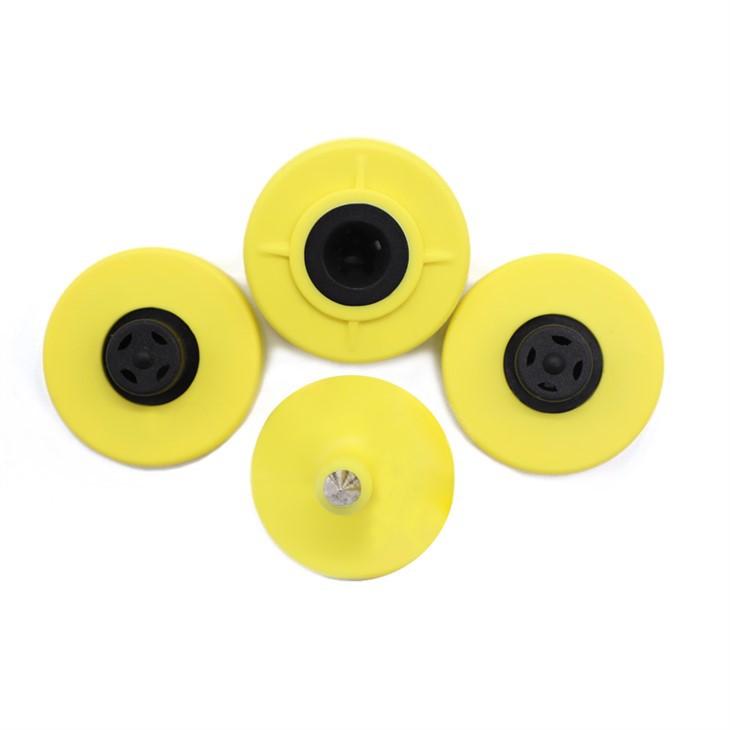
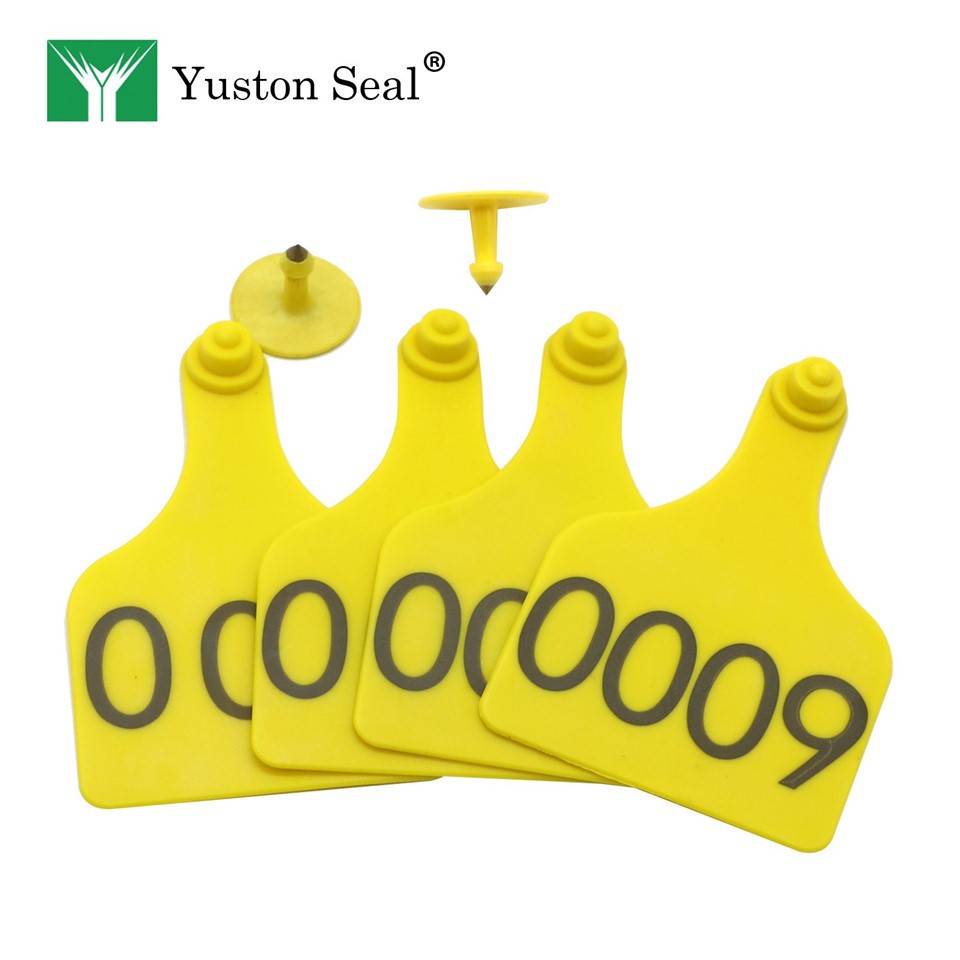
And of course, I also have Livestock Identification Tags. These are suitable for all kinds of livestock, not just cows. You can use them on sheep, goats, and even pigs. They're designed to be long - lasting and resistant to wear and tear, so they'll stay on the animal's ear for a long time.
Now, if you're in an area where there aren't strict regulations about ear tag approval, it doesn't mean you should skimp on quality. Even without official approval requirements, you still want tags that are reliable. A tag that falls off easily or has faded numbers isn't going to do you any good.
I've heard some farmers say that they don't see the point of all these regulations. They think it's just an extra hassle and expense. But in the long run, having proper ear tags can actually save you money. If there's a disease outbreak on your farm, being able to quickly identify and isolate sick animals can prevent the spread of the disease to the rest of your herd. This can save you from losing a large number of animals and having to deal with the associated costs.
Another thing to consider is that as the global market for livestock products becomes more integrated, the demand for proper ear tagging and traceability is only going to increase. If you want to export your livestock or livestock products, you'll definitely need to comply with international standards. And these standards often include having approved ear tags.
So, if you're a farmer or someone involved in the livestock industry, it's really important to stay informed about the ear tag regulations in your area. You can check with your local agricultural department or industry associations to find out what the rules are.
As a supplier, I'm always here to help. Whether you need advice on which type of ear tag is best for your situation or you want to make sure the tags you're buying are compliant with the regulations, I'm just a message away.
If you're interested in purchasing our Livestock Ear Tags, don't hesitate to get in touch. We offer a wide range of options at competitive prices. You can explore our products on our website and see which ones fit your needs. Whether you need just a few tags for a small farm or a large quantity for a big operation, we can handle it.
In conclusion, while the need for ear tag approval by authorities varies from place to place, it's clear that ear tags are an essential part of modern livestock management. They contribute to disease control, food safety, and overall traceability. And as a supplier, I'm committed to providing high - quality, compliant ear tags to meet the needs of my customers. So, if you're in the market for livestock ear tags, give us a try.
References
- "Livestock Identification and Traceability: A Global Perspective" by Various Authors
- National Agricultural Departments' Publications on Livestock Ear Tag Regulations