

In the shipping and logistics industry, container plastic seals play a crucial role in ensuring the security and integrity of goods during transit. As a dedicated container plastic seal supplier, I understand the significance of providing high - quality seals that can withstand various challenges. This blog will delve into the key aspects of ensuring the quality of container plastic seals.
1. Material Selection
The foundation of a high - quality container plastic seal lies in the choice of materials. We use only top - grade plastics that possess excellent durability, resistance to environmental factors, and mechanical strength. For instance, polypropylene (PP) is a popular choice due to its high impact resistance, chemical stability, and low cost. It can endure harsh weather conditions, including extreme temperatures, humidity, and exposure to UV rays without significant degradation.
Another important material consideration is the color - fastness of the plastic. The seals need to maintain their color throughout their lifespan, as the color often serves as an important visual identifier. We conduct rigorous color - fastness tests to ensure that the seals do not fade or change color under normal usage conditions.
2. Manufacturing Process
A well - controlled manufacturing process is essential for producing high - quality container plastic seals. Our production facilities are equipped with state - of the - art machinery and adhere to strict quality control standards.
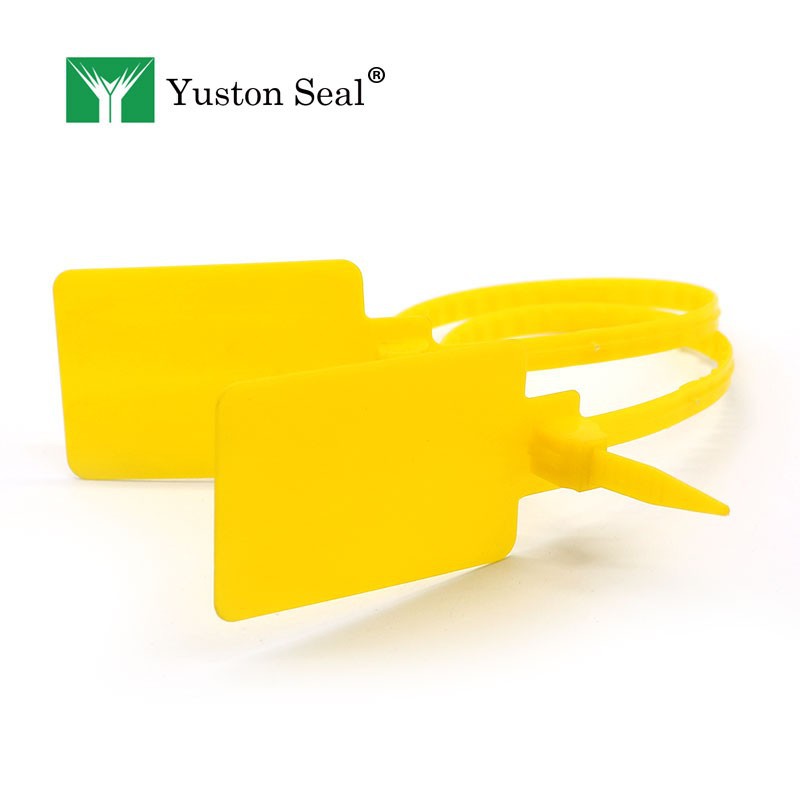
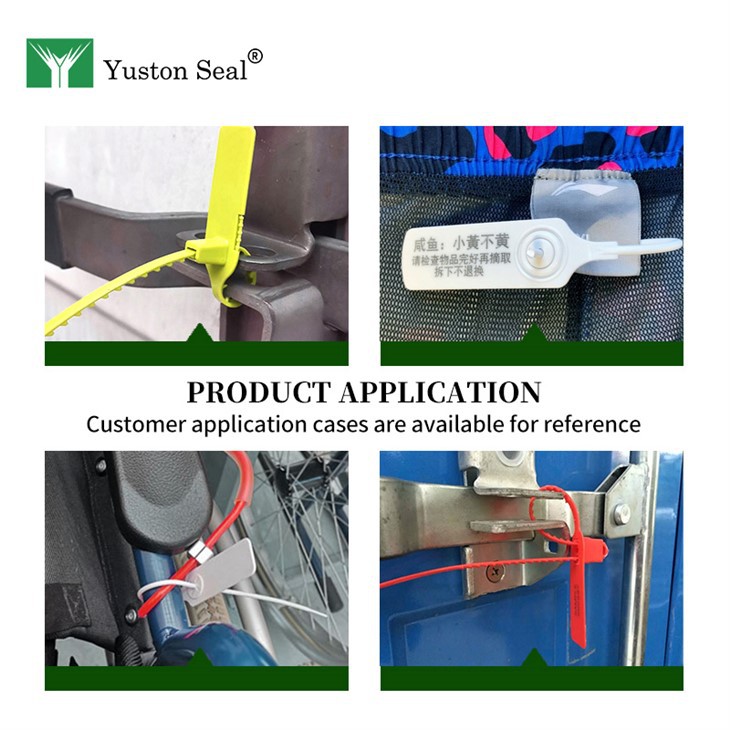
Injection Molding
The injection molding process is a critical step in seal production. We precisely control the temperature, pressure, and injection speed to ensure that the plastic fills the mold cavity evenly. This results in seals with consistent dimensions and wall thickness, which are crucial for proper functioning. Any variation in these parameters can lead to defects such as warping, voids, or uneven surfaces, which can compromise the seal's strength and security.
Quality Checks During Production
We implement multiple quality checks at various stages of the manufacturing process. For example, after the injection molding, each seal is visually inspected for surface defects, such as scratches, cracks, or burrs. Automated testing equipment is also used to measure the dimensions of the seals to ensure they meet the specified tolerances. Additionally, we perform strength tests on a regular basis to verify that the seals can withstand the required pulling force without breaking.
3. Design and Functionality
The design of container plastic seals is not only about aesthetics but also about functionality and security.
Tamper - Evidence Design
Our seals are designed with tamper - evidence features to provide clear signs of any unauthorized access. For example, some of our seals have a break - away design, where the seal will break into pieces if someone tries to remove it without proper authorization. This makes it easy for inspectors to identify if the container has been tampered with during transit.
Numbering and Customization
We offer Plastic Seals With Numbers to provide a unique identifier for each seal. The numbers are clearly engraved or printed on the seal, making it easy to track and record the seal's usage. Moreover, we also provide Plastic Seal Customized Logo services. This allows our customers to brand the seals with their company logo, which not only adds a professional touch but also enhances the security of the goods by making it more difficult for counterfeiters to replicate the seals.
4. Testing and Certification
To ensure the quality and reliability of our container plastic seals, we conduct a series of comprehensive tests and obtain relevant certifications.
Pull - Force Testing
Pull - force testing is one of the most important tests for plastic seals. We use specialized testing equipment to measure the amount of force required to break the seal. Our seals are designed to meet or exceed the industry standards for pull - force, ensuring that they can withstand the normal handling and transportation forces without breaking accidentally.
Environmental Testing
We also subject our seals to environmental testing to evaluate their performance under different conditions. This includes testing for resistance to heat, cold, humidity, and chemical exposure. By simulating real - world environmental conditions, we can ensure that the seals will remain intact and functional throughout the entire shipping process.
Certification
Our seals are certified by recognized international standards organizations. Certifications such as ISO 9001:2015 for quality management systems and ISO 17712 for high - security seals give our customers confidence in the quality and security of our products. These certifications are a testament to our commitment to providing the highest quality container plastic seals.
5. Storage and Handling
Proper storage and handling of container plastic seals are also important factors in maintaining their quality.
Storage Conditions
We store our seals in a clean, dry, and temperature - controlled environment. Exposure to extreme temperatures, moisture, or sunlight can cause the plastic to degrade over time, reducing the seal's strength and integrity. By storing the seals under optimal conditions, we can ensure that they will remain in good condition until they are ready for use.
Handling Precautions
During the handling process, we take precautions to prevent damage to the seals. Our staff is trained to handle the seals gently and avoid any rough handling that could cause scratches or other defects. When packaging the seals for shipment, we use appropriate packaging materials to protect them from impact and vibration during transit.
6. Customer Feedback and Continuous Improvement
As a supplier, we value our customers' feedback. We actively seek input from our customers regarding the performance and quality of our container plastic seals. This feedback helps us identify areas for improvement and make necessary adjustments to our production processes and product designs.
We also stay updated with the latest industry trends and technological advancements. By investing in research and development, we are constantly looking for ways to enhance the quality and functionality of our seals. For example, we are exploring the use of new materials and manufacturing techniques to improve the strength and tamper - evidence features of our seals.
Conclusion
Ensuring the quality of container plastic seals is a multi - faceted process that involves material selection, manufacturing, design, testing, storage, and continuous improvement. As a container plastic seal supplier, we are committed to providing our customers with the highest quality seals that meet their security and shipping needs. Our Security Seals are designed to offer reliable protection for goods in transit, and our customization services allow customers to add a personal touch to their seals.
If you are in the market for high - quality container plastic seals, we invite you to contact us for a detailed discussion about your requirements. Our team of experts is ready to assist you in finding the best solutions for your shipping and security needs.
References
- International Organization for Standardization (ISO). ISO 9001:2015 Quality management systems — Requirements.
- International Organization for Standardization (ISO). ISO 17712:2013 Freight containers — Mechanical seals.