

Do all countries require animal ear tags?
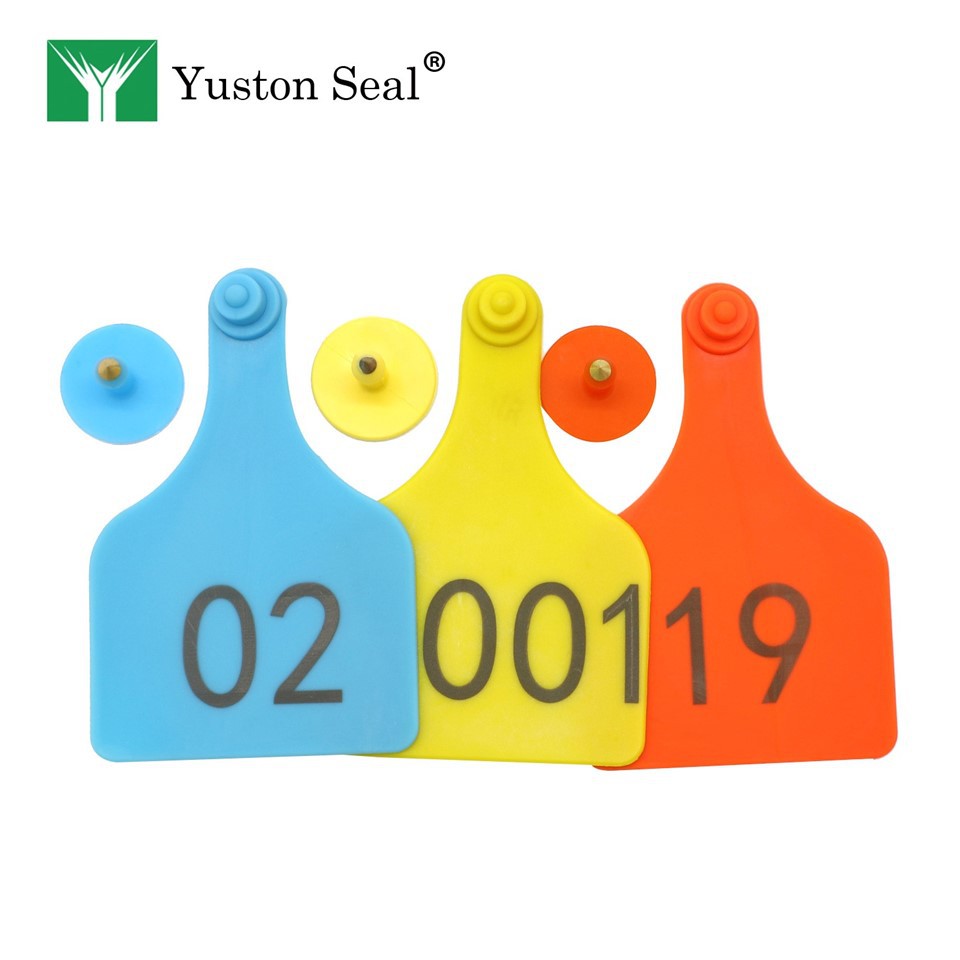
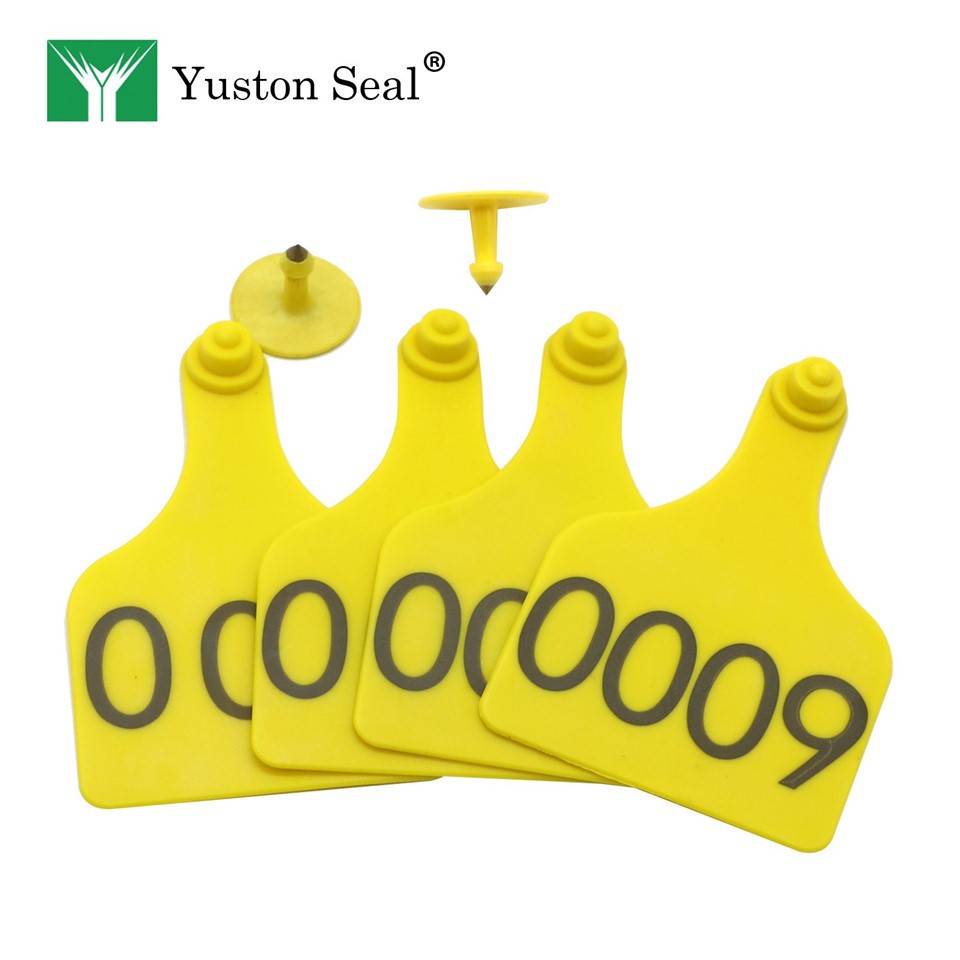
As a supplier of animal ear tags, I've often been asked whether all countries mandate the use of these tags for animals. The answer is a resounding no. The requirement for animal ear tags varies significantly from one country to another, and is influenced by a multitude of factors including agricultural policies, disease control measures, and traceability requirements.
Reasons for Requiring Animal Ear Tags
Before delving into the differences among countries, it's important to understand why animal ear tags are used in the first place. Animal ear tags serve several crucial purposes. Firstly, they are a key tool for animal identification. By attaching a unique identifier to an animal's ear, farmers and ranchers can easily keep track of individual animals within their herds or flocks. This is particularly important for record - keeping, such as tracking an animal's health history, breeding records, and milk production (in the case of dairy cows).
Secondly, animal ear tags play a vital role in disease control. In the event of an outbreak of a contagious disease, such as foot - and - mouth disease or avian influenza, ear tags allow authorities to quickly trace the movement of infected animals. This helps in containing the spread of the disease, as well as implementing appropriate quarantine and culling measures if necessary.
Thirdly, ear tags contribute to food safety and quality assurance. Consumers are increasingly concerned about the origin and quality of the meat, milk, and other animal products they consume. Ear tags enable the entire supply chain to be traced, from the farm to the supermarket shelf, providing transparency and accountability.
Variations in Requirements Among Countries
European Union (EU)
The EU has some of the most comprehensive regulations regarding animal ear tagging. In the EU, all cattle, sheep, and goats must be tagged with official identification ear tags. These tags contain a unique identification number that is registered in a national database. The EU's strict regulations are driven by a desire to ensure food safety, prevent the spread of animal diseases, and comply with international trade requirements. For example, in the aftermath of the BSE (mad cow disease) crisis in the 1990s, the EU implemented more stringent traceability measures, including mandatory ear tagging, to restore consumer confidence in the safety of beef products.
United States
In the United States, the requirements for animal ear tags are less uniform. The USDA (United States Department of Agriculture) has a voluntary National Animal Identification System (NAIS), which aims to improve the ability to trace animals in the event of a disease outbreak. However, participation in NAIS is not mandatory for all producers. Some states have their own regulations regarding ear tagging, especially for animals that are being transported across state lines. For example, cattle being moved from one state to another may be required to have certain types of identification tags. In general, larger commercial operations are more likely to use ear tags for management and traceability purposes, while smaller family farms may not always follow strict tagging protocols.
Australia
Australia has a well - established national livestock identification system. All cattle, sheep, and goats must be tagged with a unique identifier. The system, known as the National Livestock Identification System (NLIS), is designed to meet both domestic and international requirements. Australia is a major exporter of livestock and animal products, and the NLIS helps to ensure the safety and traceability of these products in global markets. The tags used in Australia are designed to be durable and reliable, with some tags incorporating radio - frequency identification (RFID) technology for more efficient data collection.
Developing Countries
In many developing countries, the requirement for animal ear tags is either non - existent or only partially enforced. This is often due to a lack of resources, infrastructure, and awareness. For example, in some African countries, small - scale farmers may not have access to the necessary tags or the training to use them properly. Additionally, the cost of implementing a national tagging system can be prohibitive for governments with limited budgets. However, as these countries look to modernize their agricultural sectors and increase their participation in international trade, there is a growing interest in adopting animal identification systems.
Our Animal Ear Tag Products
As a supplier, we offer a wide range of animal ear tags to meet the diverse needs of customers around the world. Our Cow Number Ear Tags are made from high - quality materials that are durable and resistant to the elements. They are easy to attach and can be customized with unique identification numbers, barcodes, or other markings.
We also have Ear Tags For Farm Animals suitable for various types of livestock, including sheep, goats, and pigs. These tags are available in different sizes and colors, allowing farmers to easily distinguish between different groups of animals.
If you are specifically looking for tags for cows, our Cow Number Tags are produced in our state - of - the - art factory, ensuring high - quality and consistent production. We use the latest manufacturing techniques to ensure that the tags are accurate and reliable.
Conclusion
In conclusion, not all countries require animal ear tags, and the level of enforcement varies widely. While some developed countries have strict regulations in place to ensure food safety, disease control, and traceability, many developing countries face challenges in implementing such systems. As an animal ear tag supplier, we understand the importance of providing high - quality products that meet the specific needs of different markets. Whether you are a large - scale commercial farmer in a developed country or a small - scale producer in a developing nation, we have the right ear tags for you.
If you are interested in learning more about our animal ear tag products or would like to discuss your specific requirements, please feel free to contact us. We are always ready to assist you in finding the best solutions for your animal identification needs.
References
- European Commission. "Animal Identification and Registration." Available at relevant EU official websites.
- United States Department of Agriculture. "National Animal Identification System."
- Australian Government Department of Agriculture. "National Livestock Identification System."
- Various research papers on agricultural policy and animal identification systems in different countries.