

Installing livestock ear tags correctly is a crucial practice in modern animal husbandry. As a supplier of Livestock Ear Tags, I understand the significance of this process not only for identification but also for ensuring the well - being and management of livestock. In this blog, I will guide you through the proper steps of installing livestock ear tags, covering different types of livestock and the importance of correct installation.
Why Livestock Ear Tags are Necessary
Livestock ear tags serve multiple purposes. Firstly, they are essential for identification. In a large herd or farm, it can be extremely difficult to distinguish individual animals without proper identification. Ear tags allow farmers to keep track of each animal's age, breed, health history, and other important information. This is particularly important for breeding programs, as it helps in selecting the right animals for mating and tracking genetic lines.
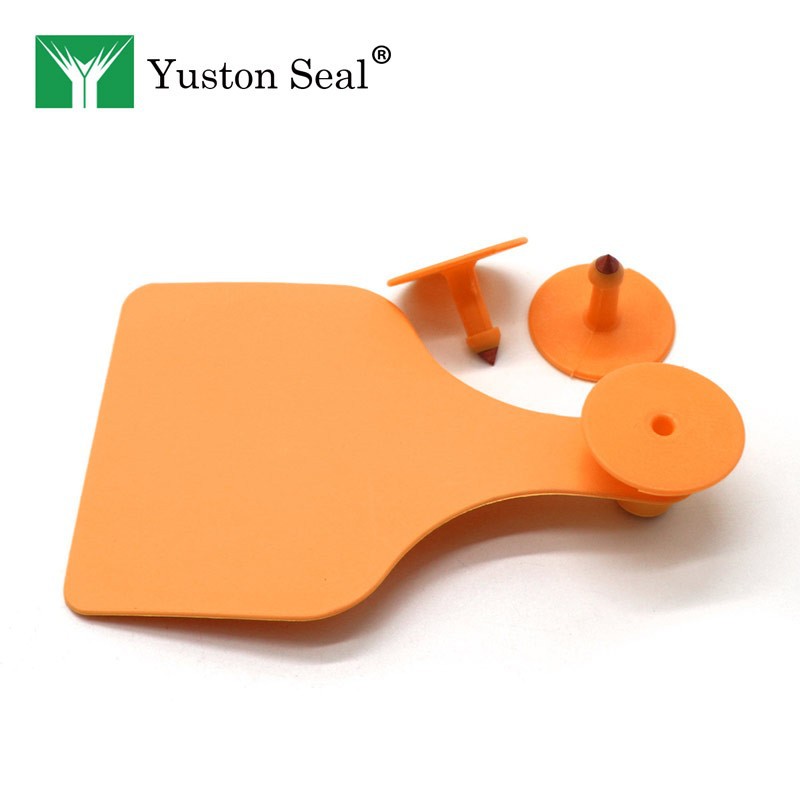
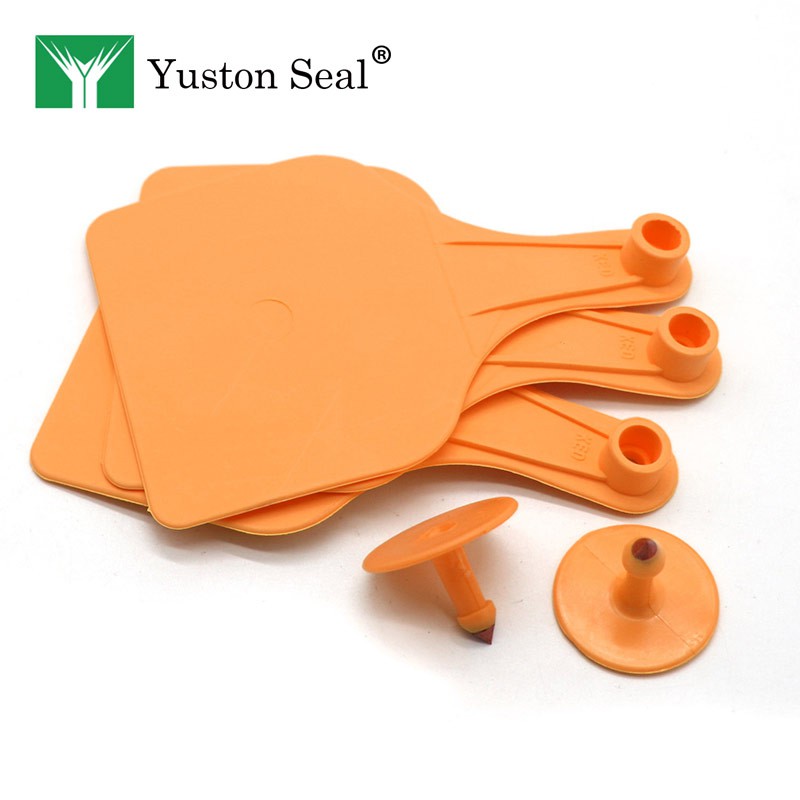
Secondly, ear tags are often used for regulatory purposes. Many countries and regions require livestock to be tagged for disease control and traceability. In the event of a disease outbreak, tagged animals can be easily traced back to their source, which is crucial for containing the spread of the disease and protecting the overall livestock population.
Types of Livestock Ear Tags
There are various types of livestock ear tags available in the market. Some are made of plastic, which are lightweight, durable, and come in a wide range of colors and sizes. Plastic tags can be easily printed with numbers, letters, or barcodes for easy identification. Metal tags are another option, which are more durable and can withstand harsh environmental conditions. However, they may be heavier and more expensive than plastic tags.
When choosing ear tags, it is important to consider the type of livestock. For example, larger animals like cattle may require larger and more robust tags, while smaller animals like sheep and goats can use smaller tags. You can find a wide selection of tags on our website Livestock Ear Tags.
Pre - installation Preparations
Before installing ear tags, several preparations need to be made. First, ensure that you have the right equipment. You will need an ear tag applicator, which is a specialized tool designed to insert the tag into the animal's ear. Make sure the applicator is clean and in good working condition. You can purchase high - quality ear tag applicators from our company to ensure a smooth installation process.
Next, clean the ear of the animal. Use a mild disinfectant to clean the area where the tag will be inserted. This helps to prevent infections and ensures the health of the animal. It is also a good idea to have an assistant to hold the animal still during the installation process. This is especially important for larger and more active animals like cattle.
Installing Ear Tags on Cattle
Cattle are one of the most common types of livestock that require ear tags. Here is a step - by - step guide on how to install ear tags on cattle:
- Restrain the cattle: Use a cattle chute or a headgate to safely restrain the animal. This ensures the safety of both the animal and the person installing the tag. Make sure the animal is calm and cannot move excessively.
- Prepare the tag and applicator: Take the ear tag and place it in the applicator according to the manufacturer's instructions. Most applicators have a specific slot or mechanism for holding the tag.
- Locate the correct position: The ideal position for an ear tag on a cattle is on the middle - third of the ear, away from the edge and the base of the ear. This area is less likely to cause discomfort to the animal and is less likely to tear.
- Insert the tag: Hold the applicator firmly against the ear at the chosen position. Squeeze the handles of the applicator firmly to insert the tag through the ear. You should hear a click sound, indicating that the tag has been properly installed.
- Check the installation: After inserting the tag, check to make sure it is securely attached and that the two parts of the tag are properly joined. Gently tug on the tag to ensure it is not loose.
For more detailed information on ear tagging cattle, you can visit Ear Tag in Cattle.
Installing Ear Tags on Sheep and Goats
The process of installing ear tags on sheep and goats is similar to that of cattle, but there are some differences due to their smaller size.
- Restrain the animal: You can hold the animal by its shoulders or use a small pen to keep it still. For more docile animals, you may be able to hold them in your arms.
- Prepare the tag and applicator: As with cattle, place the ear tag in the applicator. Make sure to use a tag that is appropriate for the size of the sheep or goat.
- Locate the position: The tag should be placed in the middle - third of the ear, similar to cattle. However, be more careful as the ears of sheep and goats are thinner and more delicate.
- Insert the tag: Press the applicator against the ear and squeeze the handles to insert the tag. Be gentle to avoid tearing the ear.
- Verify the installation: Check that the tag is firmly attached and that there are no signs of damage to the ear.
Common Mistakes to Avoid
When installing livestock ear tags, there are several common mistakes that should be avoided. One of the most common mistakes is using the wrong size tag. A tag that is too large can cause discomfort to the animal and may even fall off, while a tag that is too small may not be visible or may not stay in place.
Another mistake is improper positioning of the tag. If the tag is placed too close to the edge of the ear, it is more likely to tear. If it is placed too close to the base of the ear, it may interfere with the animal's movement or cause irritation.
Not cleaning the ear or the applicator before installation can also lead to infections. Always ensure that both the ear and the applicator are clean to prevent the introduction of bacteria.
Maintenance and Monitoring
After installing the ear tags, it is important to regularly monitor the animals. Check the tags to make sure they are still in place and that there are no signs of damage or infection around the tag site. If a tag falls off or becomes damaged, replace it as soon as possible.
You can also use ear tags to collect data on the animals. For example, if the tags are barcoded, you can use a scanner to quickly access information about the animal. This helps in efficient farm management and can improve the overall productivity of the farm.
Conclusion
Installing livestock ear tags correctly is an important part of livestock management. By following the proper procedures, you can ensure the safety and well - being of your animals, as well as comply with regulatory requirements. As a supplier of Ear Tags For Farm Animals, we offer a wide range of high - quality ear tags and applicators to meet your needs.
If you are interested in purchasing our livestock ear tags or have any questions about the installation process, please feel free to contact us. We are always ready to provide you with professional advice and support to help you manage your livestock more effectively.
References
- Animal Identification and Traceability Guidelines, Ministry of Agriculture, [Country Name]
- Livestock Management Best Practices, Agricultural Research Institute