

What is the purpose of an animal ear tag?
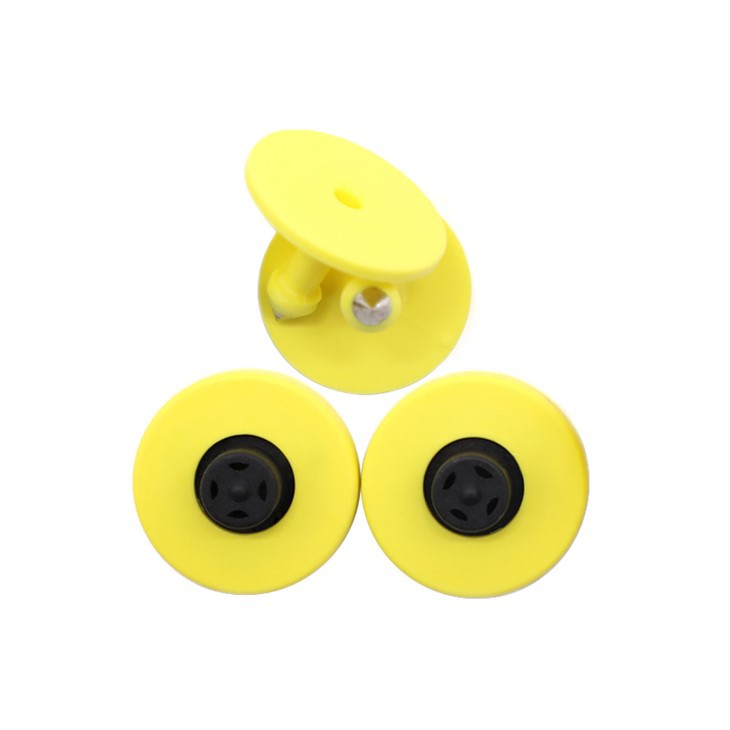
Animal ear tags are small devices that are attached to the ears of livestock and other animals. As a supplier of animal ear tags, I've witnessed firsthand the diverse applications and the crucial role these tags play in the modern management of animal husbandry. In this blog, we'll explore the purposes of animal ear tags, their various types and the benefits they bring to the agricultural industry.
Identification
One of the primary purposes of animal ear tags is identification. Each tag can be customized with a unique number, bar code, or other identifier. This allows farmers and ranchers to distinguish individual animals within a large herd or flock. For example, in a beef cattle operation, a rancher may have hundreds or even thousands of cattle. By using ear tags, they can easily identify each animal for record - keeping, breeding management, and health monitoring.
The Cow Number Tags are designed specifically for cattle. These tags are made of durable materials to withstand the rough environment of the farm. They can be printed with large, clear numbers that are visible from a distance, which is very convenient for quick identification in the field.
In the case of sheep, a single ewe may give birth to multiple lambs. Each lamb can be tagged at a young age with Sheep Ear Tags, allowing the shepherd to track the growth and development of each individual animal. This is essential for making decisions about breeding, culling, and overall flock management.
Traceability
Animal ear tags also play a vital role in traceability. In today's global food market, consumers are increasingly concerned about the origin and safety of the meat, dairy, and other animal - derived products they consume. Ear tags provide a way to track an animal's journey from the farm to the table.
When an animal is tagged at birth or upon entering a farm, all relevant information about the animal, such as its breed, birth date, vaccination history, and movement history, can be recorded in a database. If there is an issue with a particular product, such as a disease outbreak or a quality concern, the authorities can use the ear tag number to trace the animal back to its source. This helps in quickly identifying the affected animals, preventing the spread of diseases, and ensuring the safety of the food supply.
For example, in the event of a bovine spongiform encephalopathy (BSE) outbreak, ear tags allow for the rapid identification and isolation of potentially infected animals. This not only helps in controlling the disease but also protects the reputation of the entire livestock industry.

Health Management
Ear tags are invaluable tools for health management in animal husbandry. By using ear tags with unique identifiers, farmers can maintain detailed health records for each animal. They can record information such as vaccination dates, medication administration, and disease diagnoses.
Regular health checks are an essential part of animal husbandry. With ear tags, farmers can easily keep track of when an animal is due for its next vaccination or deworming. If an animal shows signs of illness, the farmer can quickly access its health history through the ear tag number, which can help in making an accurate diagnosis and providing appropriate treatment.
Some advanced ear tags even incorporate sensors that can monitor an animal's vital signs, such as temperature, heart rate, and activity level. These smart tags can alert farmers in real - time if an animal's health status changes, allowing for early intervention and potentially saving the animal's life.
Breeding Management
In the world of livestock breeding, ear tags are crucial for managing genetic lines and making informed breeding decisions. By tagging animals with unique identifiers, breeders can accurately track the pedigree of each animal. This information is used to avoid inbreeding, which can lead to a decrease in genetic diversity and an increase in the incidence of genetic disorders.
Breeders can also use ear tags to monitor the reproductive performance of their animals. They can record information such as the number of offspring, the interval between calvings or lambings, and the quality of the offspring. This data helps in selecting the best animals for breeding, which can improve the overall quality and productivity of the herd or flock over time.
Types of Animal Ear Tags
There are several types of animal ear tags available on the market, each with its own advantages and applications.
- Visual Tags: These are the most common type of ear tags. They are usually made of plastic or metal and are printed with numbers, letters, or symbols. Visual tags are easy to read and are suitable for small - scale farms where manual identification is sufficient.
- Barcode Tags: Barcode tags contain a barcode that can be scanned using a barcode reader. This allows for quick and accurate data entry into a computer system. Barcode tags are commonly used in large - scale commercial farms where a high volume of data needs to be processed efficiently.
- RFID Tags: Radio - Frequency Identification (RFID) tags use radio waves to transmit data wirelessly. These tags can be read from a distance, which is very convenient for large herds or flocks. RFID tags can store a large amount of information, including the animal's identification number, health history, and movement history. They are often used in high - tech farms and in situations where real - time data collection is required.
Benefits for the Agricultural Industry
The use of animal ear tags brings numerous benefits to the agricultural industry.
- Improved Efficiency: By enabling quick and accurate identification of animals, ear tags save farmers a lot of time and effort. They can easily manage their herds or flocks, make informed decisions about breeding and health management, and streamline their operations.
- Enhanced Productivity: With better breeding management and health monitoring, farmers can produce higher - quality animals. This leads to increased productivity and profitability in the long run.
- Compliance with Regulations: In many countries, the use of animal ear tags is a legal requirement for livestock identification and traceability. By using ear tags, farmers can ensure that they are in compliance with these regulations.
Conclusion
In conclusion, animal ear tags serve multiple important purposes in modern animal husbandry. They are essential for identification, traceability, health management, and breeding management. As a supplier of Livestock Identification Tags, I understand the importance of providing high - quality ear tags that meet the needs of farmers and ranchers.
If you are in the market for animal ear tags, whether for cows, sheep, or other livestock, I encourage you to reach out for a detailed discussion about your specific requirements. Our team of experts is ready to provide you with the best solutions to help you manage your animals more effectively.
References
- "Livestock Identification and Traceability Systems" by the Food and Agriculture Organization of the United Nations
- "Animal Health Management in Modern Farming" by a leading agricultural research institute