

Hey there! As a bolt seal supplier, I often get asked about how to read the markings on a bolt seal. It might seem like a daunting task at first, but once you understand the basics, it's actually pretty straightforward. In this blog post, I'll walk you through everything you need to know about deciphering those markings.
Why Are Bolt Seal Markings Important?
Before we dive into how to read the markings, let's talk about why they matter. Bolt seals are used in a variety of industries, especially in the shipping and logistics sectors. They're designed to provide security and prevent unauthorized access to containers, trucks, and other cargo. The markings on a bolt seal serve several important purposes:
- Identification: Each bolt seal has a unique identifier, which helps in tracking and tracing the seal throughout its lifecycle. This is crucial for ensuring the integrity of the cargo and for compliance with regulatory requirements.
- Authentication: The markings can also be used to verify the authenticity of the seal. A genuine bolt seal will have clear, legible markings that are consistent with the manufacturer's standards.
- Accountability: In case of any security breaches or incidents, the markings on the bolt seal can be used to identify who had access to the cargo and when.
Understanding the Different Types of Markings
Bolt seals can have a variety of markings, depending on the manufacturer and the specific requirements of the application. Here are some of the most common types of markings you might encounter:
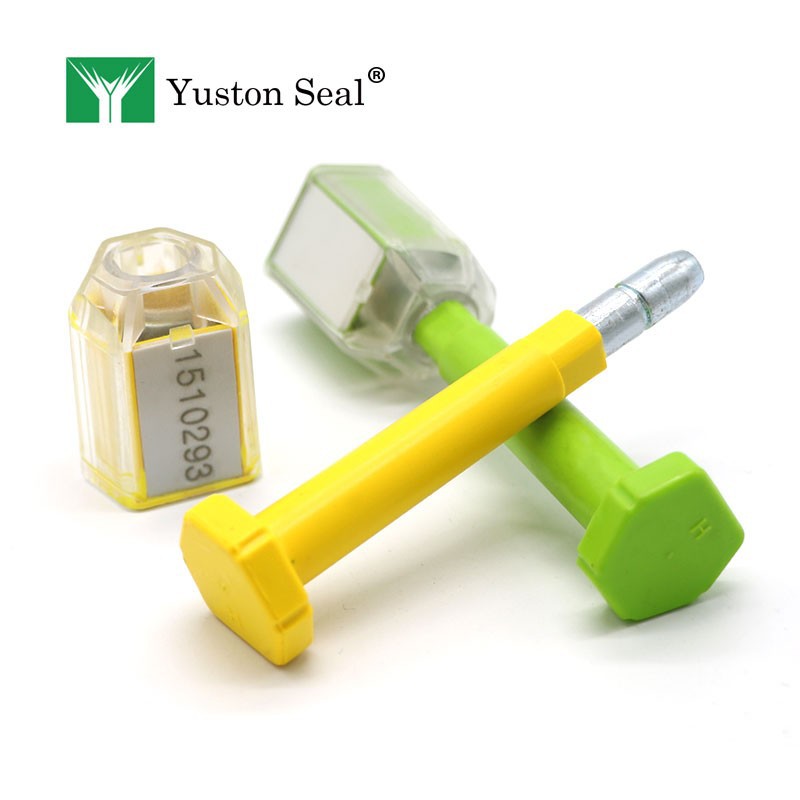
- Serial Number: This is the most important marking on a bolt seal. It's a unique identifier that is assigned to each seal. The serial number is usually printed or engraved on the body of the seal and can be used to track the seal from the moment it's issued until it's removed.
- Manufacturer's Logo: Many bolt seals feature the logo of the manufacturer. This helps in identifying the brand and ensures that the seal is a genuine product.
- Batch Number: Some bolt seals also have a batch number, which indicates the production batch in which the seal was manufactured. This can be useful for quality control purposes and for tracing any issues back to the source.
- Date of Manufacture: The date of manufacture is another important marking. It can help in determining the age of the seal and whether it's still within its recommended lifespan.
- Security Features: Some bolt seals have additional security features, such as tamper-evident markings or holograms. These features are designed to make it easier to detect if the seal has been tampered with.
How to Read the Markings
Now that you know what the different types of markings are, let's talk about how to read them. Here's a step-by-step guide:
- Inspect the Seal: Before you start reading the markings, take a close look at the seal to make sure it's in good condition. Check for any signs of damage or tampering, such as scratches, dents, or broken parts.
- Locate the Markings: The markings on a bolt seal are usually located on the body of the seal. They may be printed, engraved, or embossed. Look for the serial number, manufacturer's logo, batch number, date of manufacture, and any other relevant markings.
- Read the Serial Number: The serial number is the most important marking on the seal. It's usually a combination of letters and numbers. Make sure you read it carefully and record it accurately. You can use this number to track the seal and verify its authenticity.
- Check the Manufacturer's Logo: The manufacturer's logo is a good way to verify the authenticity of the seal. Make sure the logo is clear and legible and matches the logo of the manufacturer you're familiar with.
- Look for Additional Markings: In addition to the serial number and manufacturer's logo, there may be other markings on the seal, such as the batch number, date of manufacture, or security features. Make sure you read these markings carefully and understand what they mean.
Tips for Reading Bolt Seal Markings
Here are some tips to help you read bolt seal markings more effectively:
- Use a Magnifying Glass: If the markings are small or difficult to read, use a magnifying glass to get a closer look.
- Take a Photo: If you're having trouble reading the markings, take a photo of the seal and use a photo editing app to zoom in and enhance the image.
- Compare with a Sample: If you're not sure what a particular marking means, compare it with a sample seal or consult the manufacturer's documentation.
- Keep a Record: Make sure you keep a record of the serial number and other markings on the seal. This will help you track the seal and verify its authenticity.
Conclusion
Reading the markings on a bolt seal is an important skill for anyone who works with cargo or shipping. By understanding the different types of markings and how to read them, you can ensure the security and integrity of your cargo. If you have any questions or need more information about bolt seals, feel free to contact us. We're a leading supplier of High Security Bolt Seal, Cargo Container Seals, and Bolt Security Seals, and we're always happy to help.
References
- "Bolt Seal Markings: What They Mean and How to Read Them." Cargo Security Blog. Accessed [date].
- "Understanding Bolt Seal Markings." Shipping and Logistics Magazine. Accessed [date].
- "How to Read Bolt Seal Markings." Industry Insider. Accessed [date].