

As a seasoned meter seal supplier, I understand the critical importance of proper storage for meter seals. Meter seals are not just simple devices; they play a vital role in ensuring the integrity and security of various metering systems, from electricity and water meters to gas meters. In this blog, I'll share some valuable insights on how to store meter seals properly to maintain their quality and functionality.
Understanding the Importance of Proper Storage
Meter seals are designed to provide evidence of tampering or unauthorized access to metering equipment. They are often made from a variety of materials, including plastic, metal, and composite materials, each with its own set of characteristics and requirements for storage. Improper storage can lead to damage, degradation, or malfunction of the seals, which can compromise their effectiveness and reliability.
For example, exposure to extreme temperatures, humidity, or sunlight can cause plastic meter seals to become brittle, crack, or lose their flexibility. Metal seals may rust or corrode if stored in a damp environment, while composite seals may be affected by chemical exposure or physical damage. By storing meter seals properly, you can extend their lifespan, reduce the risk of premature failure, and ensure that they perform as intended when installed.
Factors to Consider When Storing Meter Seals
Temperature
Temperature is one of the most critical factors to consider when storing meter seals. Most meter seals are designed to operate within a specific temperature range, and exposure to temperatures outside of this range can cause damage or degradation. For example, plastic meter seals may become soft and pliable at high temperatures, while they may become brittle and prone to cracking at low temperatures.
To ensure proper storage, it's recommended to store meter seals in a temperature-controlled environment, ideally between 10°C and 30°C (50°F and 86°F). Avoid storing seals in areas that are subject to extreme temperature fluctuations, such as near heating or cooling vents, direct sunlight, or in uninsulated storage areas.
Humidity
Humidity can also have a significant impact on the quality and performance of meter seals. High humidity levels can cause metal seals to rust or corrode, while plastic seals may absorb moisture and become soft or deformed. In addition, humidity can promote the growth of mold and mildew, which can damage the seals and affect their functionality.
To prevent humidity-related issues, it's important to store meter seals in a dry environment with a relative humidity level between 30% and 60%. If necessary, use dehumidifiers or moisture-absorbing materials to control the humidity level in the storage area. Avoid storing seals in areas that are prone to moisture, such as basements, bathrooms, or near water sources.
Light
Exposure to light, especially sunlight, can cause discoloration, fading, and degradation of meter seals. UV rays can break down the chemical bonds in plastic and composite materials, making them weaker and more prone to damage. To protect meter seals from light damage, store them in a dark or shaded area, away from direct sunlight. If possible, use opaque storage containers or packaging to shield the seals from light.
Chemical Exposure
Meter seals can be sensitive to certain chemicals, such as solvents, cleaners, and lubricants. Exposure to these chemicals can cause damage or degradation of the seals, affecting their performance and reliability. To prevent chemical exposure, store meter seals away from sources of chemicals, such as cleaning supplies, paint, or gasoline. If you need to clean the seals, use a mild detergent and water, and avoid using harsh chemicals or abrasive cleaners.
Physical Damage
Physical damage can also occur during storage if meter seals are not handled or stored properly. Seals can be crushed, bent, or scratched if they are stacked too tightly or if they come into contact with sharp objects. To prevent physical damage, store meter seals in a way that protects them from impact and abrasion. Use padded storage containers or dividers to separate the seals and prevent them from rubbing against each other. Avoid stacking heavy objects on top of the seals, and handle them with care when moving or transporting them.
Best Practices for Storing Meter Seals
Use Proper Packaging
Proper packaging is essential for protecting meter seals during storage and transportation. Use high-quality, durable packaging materials that are designed to withstand the rigors of handling and storage. Plastic bags, boxes, or containers with tight-fitting lids are ideal for storing meter seals, as they provide a barrier against dust, moisture, and physical damage. Make sure the packaging is labeled clearly with the type, quantity, and batch number of the seals to facilitate easy identification and inventory management.
Organize and Label Storage Areas
Organizing and labeling your storage areas can help you keep track of your meter seals and ensure that they are stored in the proper conditions. Use shelves, cabinets, or storage bins to organize the seals by type, size, or batch number. Label each storage area clearly with the type of seals it contains, as well as the date of receipt and expiration date. This will make it easier to locate the seals when you need them and ensure that you use the oldest seals first.
Conduct Regular Inspections
Regular inspections of your stored meter seals can help you identify any signs of damage, degradation, or expiration. Check the seals for cracks, discoloration, rust, or other signs of wear and tear. Make sure the seals are still within their expiration date and that they are stored in the proper conditions. If you notice any issues, remove the damaged or expired seals from the storage area and replace them with new ones.
Train Your Staff
Proper storage of meter seals requires the cooperation and understanding of your staff. Make sure your employees are trained on the importance of proper storage and handling of meter seals, as well as the specific storage requirements for each type of seal. Provide them with clear instructions and guidelines on how to store, handle, and inspect the seals, and encourage them to report any issues or concerns immediately.
Conclusion
Proper storage of meter seals is essential for maintaining their quality, functionality, and reliability. By considering the factors discussed in this blog, such as temperature, humidity, light, chemical exposure, and physical damage, and by following the best practices outlined, you can ensure that your meter seals are stored in the optimal conditions and are ready to perform when needed.
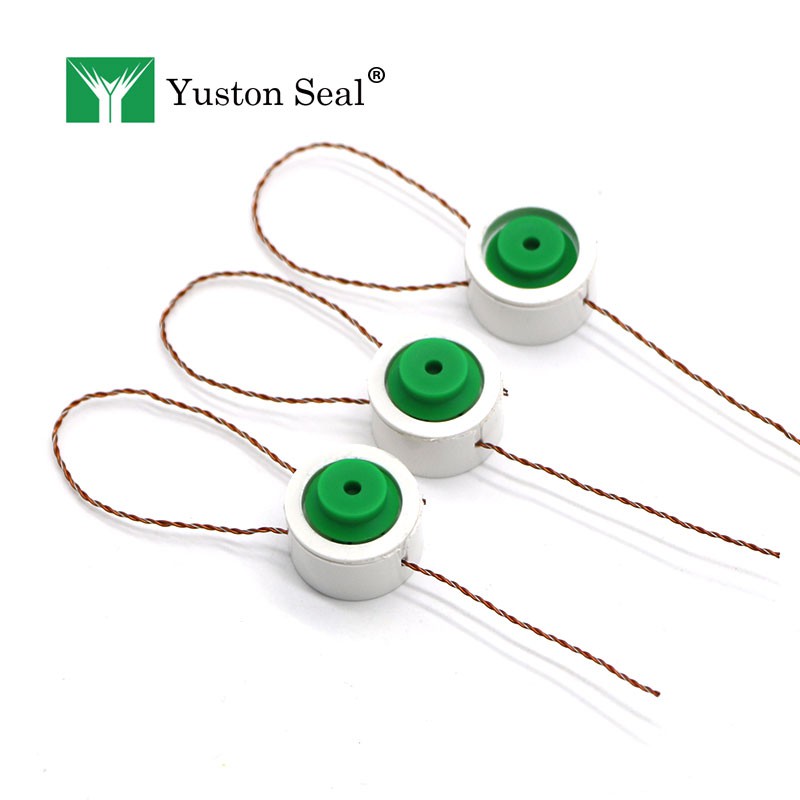
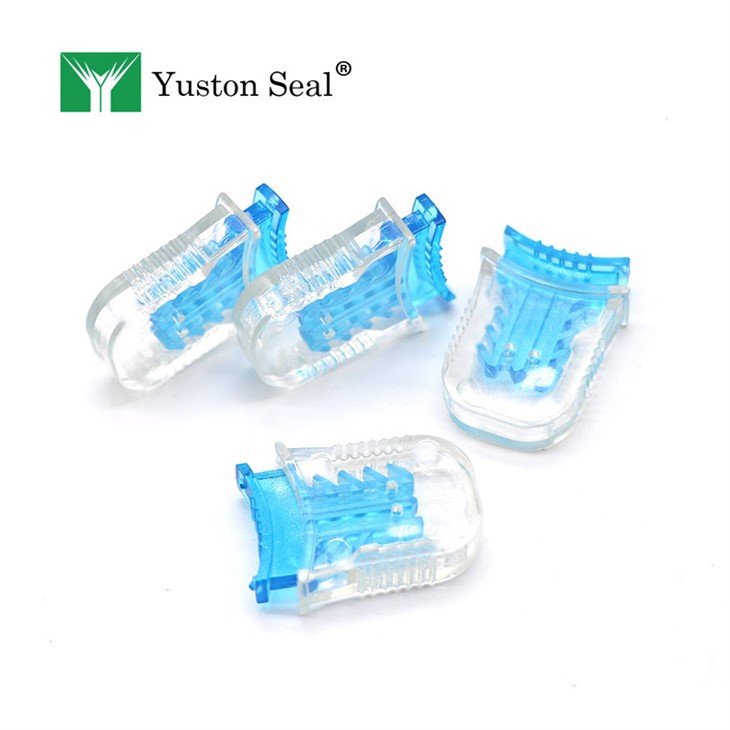
If you're in the market for high-quality meter seals, we offer a wide range of options, including Electric Meter Box Seal, Plastic Meter Seals, and Tamper Proof Meter Seals. Our seals are designed to meet the highest standards of quality and security, and we can provide you with the guidance and support you need to choose the right seals for your application.
If you have any questions or would like to discuss your meter seal requirements, please don't hesitate to contact us. We're here to help you find the best solutions for your metering needs.
References
- ASTM International. (2023). Standard Specification for Tamper - Evident Seals for Electric Meters.
- International Electrotechnical Commission (IEC). (2022). Safety Requirements for Metering Equipment.