

Transporting container locks safely is of paramount importance for a container lock supplier like me. Container locks are essential for securing valuable goods during transit, and ensuring their safe transportation not only maintains their quality but also builds trust with customers. In this blog, I will share some key considerations and best practices for safely transporting container locks.
Packaging
The first step in safe transportation is proper packaging. Container locks come in various shapes and sizes, and each type requires appropriate packaging to prevent damage. For small and lightweight locks, individual plastic bags or blister packs can be used. These packages protect the locks from scratches and minor impacts. They also allow for easy identification of each lock type, which is useful for inventory management.
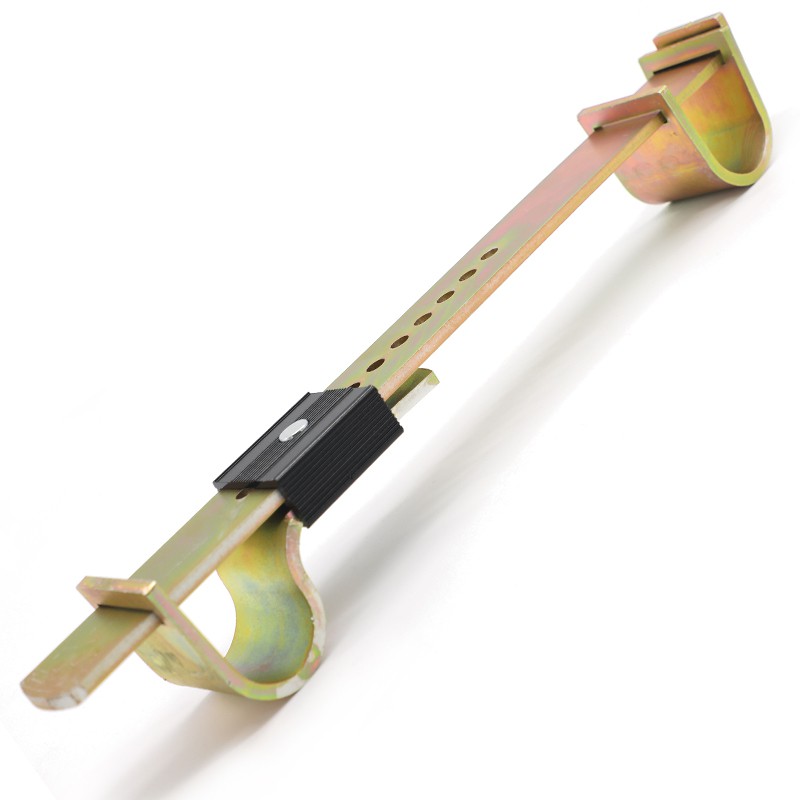
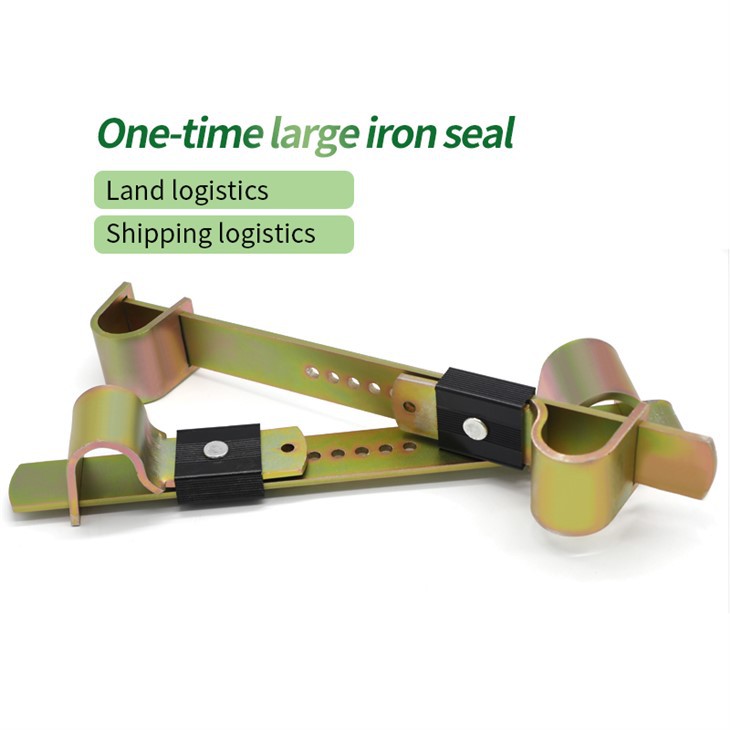
For larger and heavier locks, such as Heavy Duty Container Lock, sturdy cardboard boxes or wooden crates are more suitable. Cardboard boxes should be reinforced with additional layers of cardboard or bubble wrap to absorb shocks. Wooden crates, on the other hand, provide more robust protection. They can be customized to fit the specific dimensions of the locks, ensuring a snug fit and minimizing movement during transit.
Inside the packaging, it is important to use cushioning materials. Foam inserts, bubble wrap, or shredded paper can be placed around the locks to absorb vibrations and prevent them from hitting the sides of the package. This is especially crucial for locks with delicate components, such as electronic or combination locks.
Labeling
Proper labeling is another important aspect of safe transportation. Each package should be clearly labeled with the product name, quantity, and handling instructions. For example, labels indicating "Fragile" or "Handle with Care" can alert handlers to the need for extra caution. Additionally, labels should include the destination address and return address in case the package gets lost or misrouted.
Barcode labels can also be used for efficient tracking. This allows suppliers and customers to monitor the location of the locks throughout the transportation process. With barcode scanning technology, it is easy to update the status of the shipment and provide real - time information to all parties involved.
Transportation Modes
There are several transportation modes available for shipping container locks, including road, rail, sea, and air. Each mode has its own advantages and challenges, and the choice depends on factors such as distance, cost, and urgency.
Road Transportation
Road transportation is a popular choice for short - to medium - distance shipments. Trucks offer flexibility in terms of pick - up and delivery locations. However, they are also subject to traffic conditions and road hazards. To ensure safe road transportation, it is important to choose a reliable carrier with a good safety record. The trucks should be equipped with proper securing mechanisms, such as tie - downs and straps, to prevent the packages from shifting during transit.
Rail Transportation
Rail transportation is suitable for long - distance shipments within a country or region. Trains are generally more stable than trucks and can carry large volumes of goods. However, they have fixed schedules and limited access points. When using rail transportation, the locks should be packed in containers or wagons that are designed to withstand the vibrations and jolts of the train.
Sea Transportation
Sea transportation is the most common mode for international shipments. Containers are loaded onto cargo ships and transported across the oceans. While sea transportation is cost - effective for large volumes of goods, it is also subject to rough weather conditions and long transit times. Container locks should be packed in seaworthy containers that are properly sealed to prevent water damage. It is also important to ensure that the containers are stowed securely on the ship to prevent them from shifting during the voyage.
Air Transportation
Air transportation is the fastest option for shipping container locks, especially for urgent orders. However, it is also the most expensive. When using air transportation, the locks should be packed in lightweight but sturdy packages to meet the weight and size restrictions of airlines. Airlines also have strict safety regulations, so it is important to comply with all the requirements, such as proper documentation and handling of any hazardous materials (if applicable).
Storage During Transit
During transit, proper storage conditions are essential for maintaining the quality of container locks. If the locks are stored in a warehouse or a container for an extended period, the environment should be controlled. Temperature and humidity can affect the performance of locks, especially those with electronic components. Ideal storage conditions typically include a temperature range of 10 - 30 degrees Celsius and a relative humidity of 40 - 60%.
In addition, the storage area should be clean and free from dust, dirt, and corrosive substances. Locks should be stored in a way that prevents them from being stacked on top of each other, which could cause damage. If possible, the locks should be stored in a locked area to prevent theft.
Insurance
No matter how carefully container locks are transported, there is always a risk of damage, loss, or theft. To protect against these risks, it is advisable to purchase insurance for the shipment. Insurance can provide financial compensation in case of any unforeseen events. When choosing an insurance policy, it is important to understand the coverage limits, exclusions, and claim procedures.
Quality Control Before and After Transportation
Before shipping the container locks, a thorough quality control check should be conducted. This includes inspecting the locks for any visible damage, testing their functionality, and ensuring that they meet the required specifications. Only locks that pass the quality control check should be packed and shipped.
After the locks arrive at their destination, another quality control check should be performed by the customer. This allows for any issues to be identified and reported immediately. If there are any problems with the locks, such as damage during transit, the supplier and the transportation carrier can work together to resolve the issue.
Conclusion
Transporting container locks safely requires careful planning and attention to detail. From proper packaging and labeling to choosing the right transportation mode and ensuring appropriate storage conditions, every step plays a crucial role in maintaining the quality of the locks. As a container lock supplier, I am committed to providing high - quality products and ensuring their safe transportation to our customers.
If you are interested in purchasing our Container Security Lock or Trailer Container Lock, please feel free to contact us for more information and to discuss your specific requirements. We look forward to establishing a long - term business relationship with you.
References
- "Transportation Logistics: Principles, Practices, and Trends" by John J. Coyle, Edward J. Bardi, and C. John Langley Jr.
- "Packaging Technology and Engineering" by Edgar V. Koshalek and John A. Nussbaum.
- Industry standards and guidelines from the International Maritime Organization (IMO), Federal Aviation Administration (FAA), and other relevant regulatory bodies.