

Hey there! As an animal ear tag supplier, I often get asked if there are any training requirements for tagging animals. Well, let's dive right into this topic and explore it from different angles.
First off, why do we tag animals in the first place? There are a bunch of reasons. For farmers and ranchers, animal ear tags are crucial for identification. They help keep track of individual animals, which is super important for things like health records, breeding programs, and even for marketing purposes. When it comes to livestock, being able to quickly and accurately identify each animal can save a lot of time and headaches.
Now, back to the question of training. The short answer is, it depends. For some types of animals and tagging situations, minimal training might be sufficient. But for others, more in - depth training is definitely recommended.
Let's start with small livestock like sheep and goats. Sheep And Goat Ear Tags are commonly used in the farming industry. Tagging these animals is relatively straightforward compared to larger ones. In most cases, a basic understanding of how to handle the animals gently and how to use the tagging tool properly is enough. You need to know where to place the tag on the ear to ensure it stays in place and doesn't cause discomfort to the animal. A simple on - the - job training session from an experienced farmer or a quick read - through of the tag manufacturer's instructions can usually get you up to speed.
However, there are still some important points to keep in mind. You have to make sure the tag is not too tight or too loose. A tag that's too tight can cause injury to the animal's ear, while a loose one might fall off. Also, proper hygiene is essential. You should clean the tagging tool before and after each use to prevent the spread of diseases. And when handling the animals, you need to be calm and gentle to avoid stressing them out.
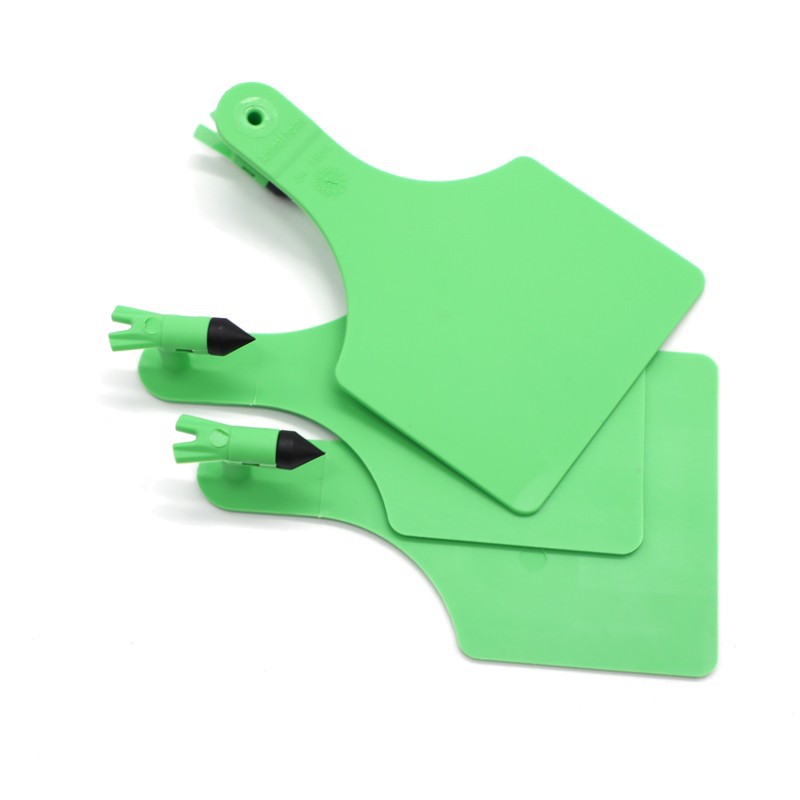
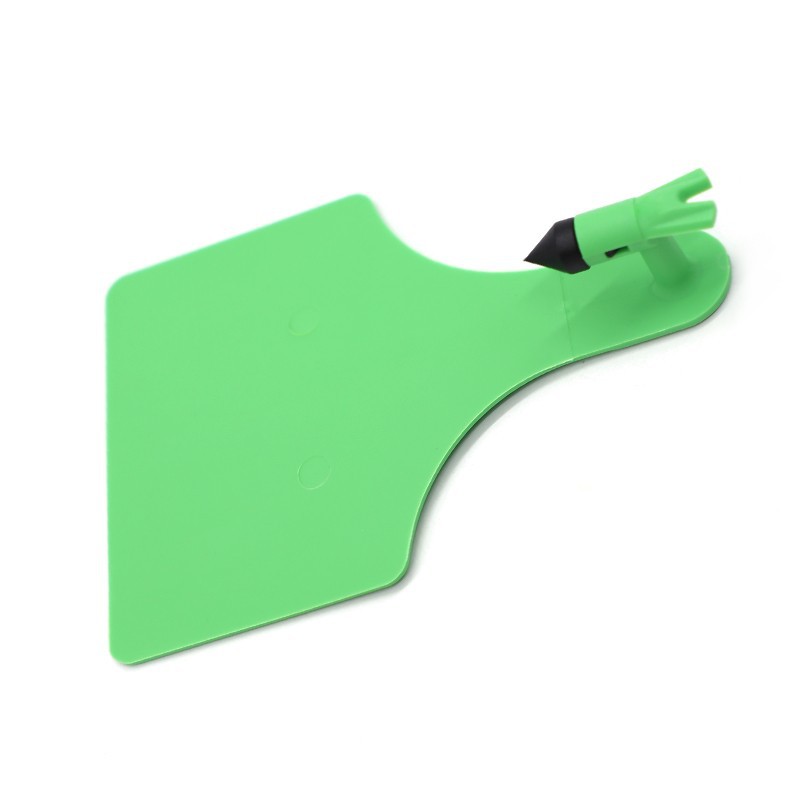
Moving on to larger livestock like cows. Cow Number Tags are used to identify individual cows, which is crucial for dairy farms and beef cattle operations. Tagging cows requires a bit more skill and training. Cows are much larger and stronger than sheep and goats, so handling them safely is a top priority. You need to know how to use a chute or a holding pen to restrain the cow properly. This not only protects you from getting injured but also ensures that the tagging process goes smoothly for the animal.
In addition to handling the animal, you also need to be precise when placing the tag. Cows' ears are thicker and more sensitive in some areas. Placing the tag in the wrong spot can lead to pain, infection, or the tag falling off. Some farmers might even opt to have a veterinarian or a professional livestock handler perform the tagging, especially if they are not confident in their own skills.
Another aspect to consider is the legal requirements. In many regions, there are specific regulations regarding animal tagging. These regulations might cover things like the type of tag to use, the information that must be included on the tag, and the age at which animals should be tagged. For example, in some areas, calves must be tagged within a certain number of days after birth. Failure to comply with these regulations can result in fines or other penalties. So, it's important to be aware of the local laws and make sure you are following them correctly.
Now, let's talk about Livestock Identification Tags in general. There are different types of tags available, such as visual tags, RFID tags, and electronic tags. Each type has its own advantages and installation methods. Visual tags are the most common and are easy to read from a distance. They usually have numbers or letters printed on them. RFID and electronic tags, on the other hand, can store more information and can be read using a special scanner.
If you're using RFID or electronic tags, you might need some additional training on how to operate the scanning equipment and how to manage the data stored on the tags. This is especially important for large - scale livestock operations where keeping track of a large number of animals' information is crucial.
Training can also be beneficial in terms of animal welfare. When you're properly trained, you're more likely to handle the animals in a way that minimizes stress and pain. This is not only the right thing to do but can also have a positive impact on the animals' health and productivity. For example, a stressed - out animal might eat less, grow more slowly, or be more prone to diseases.
In conclusion, while there may not always be strict formal training requirements for tagging animals, it's highly recommended that you get some form of training, especially if you're dealing with larger or more sensitive animals. Whether it's through on - the - job training, reading the manufacturer's instructions, or taking a short course, having the right skills and knowledge will make the tagging process safer, more efficient, and better for the animals.
If you're in the market for high - quality animal ear tags, we've got you covered. Our tags are made from durable materials and are designed to last. They come in a variety of styles and sizes to meet your specific needs. Whether you're tagging sheep, goats, cows, or other livestock, we have the perfect solution for you.
If you're interested in learning more about our products or have any questions about animal tagging, don't hesitate to reach out. We're here to help you with all your animal tagging needs. Let's have a chat and see how we can work together to make your livestock management more efficient and effective.
References
- Various industry guidelines and regulations on animal tagging
- Manufacturer's instructions for animal ear tags
- Personal experience and knowledge as an animal ear tag supplier