

As a lead seal supplier, I understand the critical importance of security standards for lead seals. In various industries, lead seals play a vital role in ensuring the integrity and security of goods, equipment, and systems. This blog post will delve into the key security standards for lead seals, providing insights for businesses and individuals who rely on these essential security devices.
Physical Characteristics and Durability
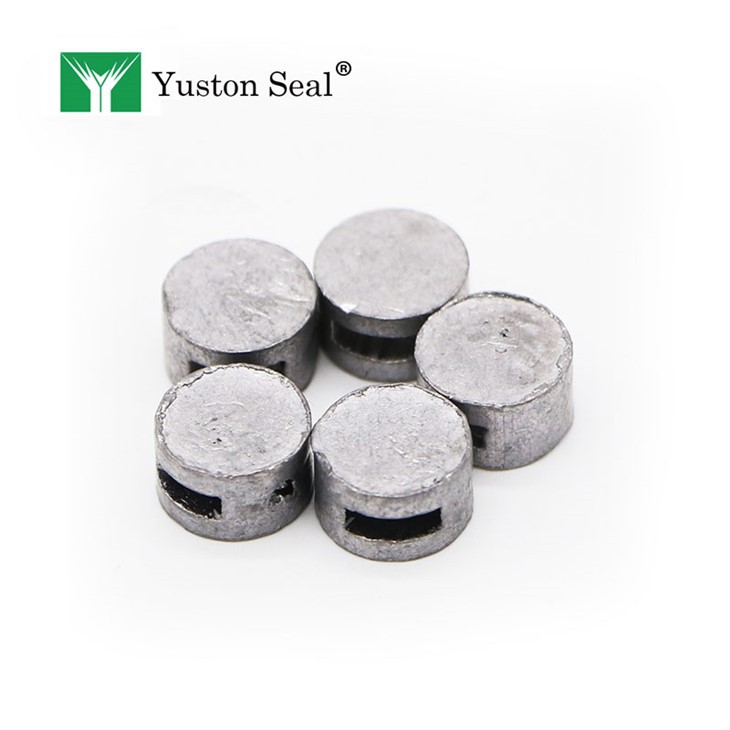
One of the primary security standards for lead seals is their physical characteristics and durability. A high - quality lead seal should be made of pure lead or a lead - alloy that is resistant to corrosion and tampering. The seal should have a smooth surface without any visible cracks or defects, as these can compromise its integrity.
The size and shape of the lead seal also matter. Standard lead seals come in a variety of sizes, and the appropriate size should be chosen based on the application. For example, larger seals may be required for heavy - duty applications, while smaller seals can be used for more delicate equipment. The shape of the seal should be designed in such a way that it is difficult to remove or replace without leaving obvious signs of tampering.
Identification and Traceability
Security standards for lead seals often require clear identification and traceability. Each lead seal should be marked with a unique serial number or code. This allows for easy identification and tracking of the seal throughout its lifecycle. The markings should be permanent and clearly visible, even after extended exposure to various environmental conditions.
In addition to serial numbers, some lead seals may also include other forms of identification, such as company logos or specific markings that indicate the type of application or the issuing authority. This helps in quickly verifying the authenticity of the seal and determining its origin.
Tamper - Evidence Features
Tamper - evidence is a crucial aspect of lead seal security standards. A good lead seal should be designed to show obvious signs of tampering if someone attempts to remove or break it. There are several types of tamper - evidence features that can be incorporated into lead seals.
One common tamper - evidence feature is the use of a break - away design. When a lead seal with a break - away design is tampered with, a part of the seal will break off, leaving a clear indication that the seal has been compromised. Another tamper - evidence feature is the use of special coatings or materials that change color or texture when exposed to certain chemicals or physical forces, indicating an attempt at tampering.
Testing and Certification
To ensure that lead seals meet the required security standards, they should undergo rigorous testing and certification processes. Testing can include physical tests, such as strength and durability tests, as well as chemical tests to ensure that the materials used are safe and compliant with relevant regulations.
Certification from recognized authorities is also important. There are various international and national standards for lead seals, such as ISO standards. A lead seal that has been certified to meet these standards provides an additional level of assurance regarding its quality and security.
Industry - Specific Requirements
Different industries may have specific security standards for lead seals. For example, in the transportation industry, lead seals are used to secure cargo containers. These seals need to be able to withstand the rigors of long - distance transportation, including vibrations, temperature changes, and exposure to the elements.
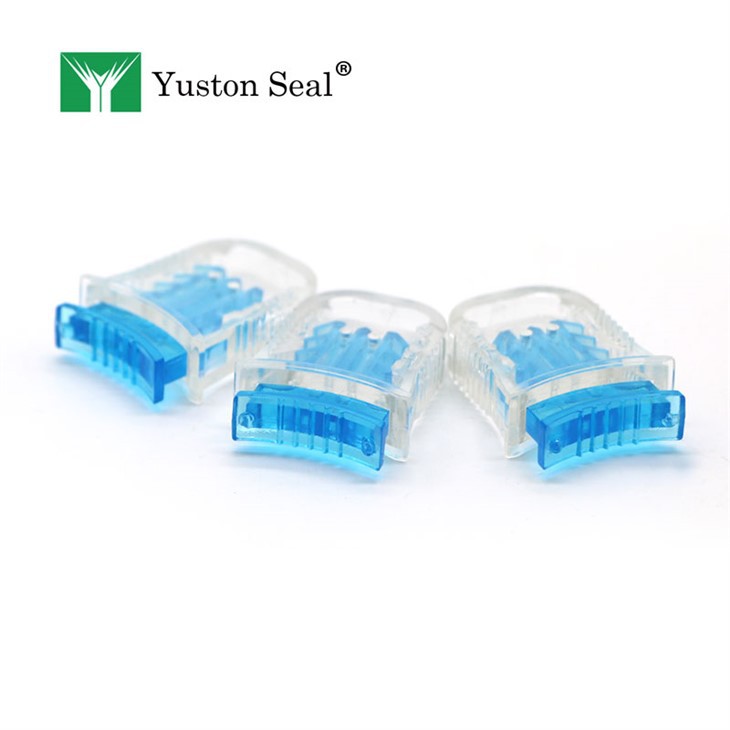
In the energy sector, Security Meter Seals and Tamper Proof Meter Seals are used to prevent unauthorized access to utility meters. These seals need to be highly resistant to tampering and should be able to provide a reliable indication of any attempt to manipulate the meter.
Compliance with Regulations
Lead seals must comply with various regulations at both the national and international levels. For example, in some countries, there are strict regulations regarding the use of lead in products due to its potential environmental and health hazards. As a lead seal supplier, it is essential to ensure that the lead seals we provide are compliant with all relevant regulations.
In addition, there may be industry - specific regulations that govern the use of lead seals. For instance, in the pharmaceutical industry, there are regulations regarding the security of drug shipments, and lead seals must meet these requirements to ensure the integrity of the products.
Quality Control in Manufacturing
Quality control is a key factor in ensuring that lead seals meet security standards. At our company, we have a comprehensive quality control system in place throughout the manufacturing process. This includes strict raw material inspection, in - process quality checks, and final product testing.
We use advanced manufacturing techniques to ensure the consistency and reliability of our lead seals. Our production facilities are equipped with state - of - the - art machinery and equipment, which allows us to produce high - quality lead seals that meet or exceed industry standards.
Importance of Choosing the Right Supplier
Choosing the right lead seal supplier is crucial for businesses that rely on these security devices. A reliable supplier will not only provide high - quality lead seals that meet the required security standards but also offer excellent customer service and technical support.
When selecting a lead seal supplier, businesses should consider factors such as the supplier's reputation, experience in the industry, and the range of products they offer. A supplier with a good reputation is more likely to adhere to strict quality control measures and provide reliable products.
Our Offerings as a Lead Seal Supplier
As a leading Lead Seal supplier, we offer a wide range of lead seals that are designed to meet the diverse security needs of our customers. Our lead seals are made from high - quality materials and are manufactured in accordance with the highest security standards.
We provide customized solutions to meet the specific requirements of different industries. Whether you need lead seals for transportation, energy, or any other application, we can work with you to develop the right product. Our team of experts is always available to provide technical advice and support, ensuring that you choose the most suitable lead seals for your needs.
Conclusion
Security standards for lead seals are essential for ensuring the integrity and security of various applications. From physical characteristics and tamper - evidence features to testing and certification, every aspect of lead seal design and manufacturing is crucial. As a lead seal supplier, we are committed to providing our customers with high - quality lead seals that meet the strictest security standards.
If you are in need of reliable lead seals for your business, we invite you to contact us for a detailed discussion about your requirements. We look forward to working with you to provide the best security solutions for your needs.
References
- ISO Standards for Security Seals
- National and International Regulations on Lead Use in Products
- Industry - Specific Guidelines for Lead Seal Applications