

In the world of metering, meter seals play a crucial role in ensuring the integrity and security of meters. As a meter seal supplier, we understand the importance of providing clear and comprehensive information on the labels of our seals. This information not only helps in identification and traceability but also serves as a deterrent against tampering. In this blog, we will explore the key information that should be included in the label of a meter seal.
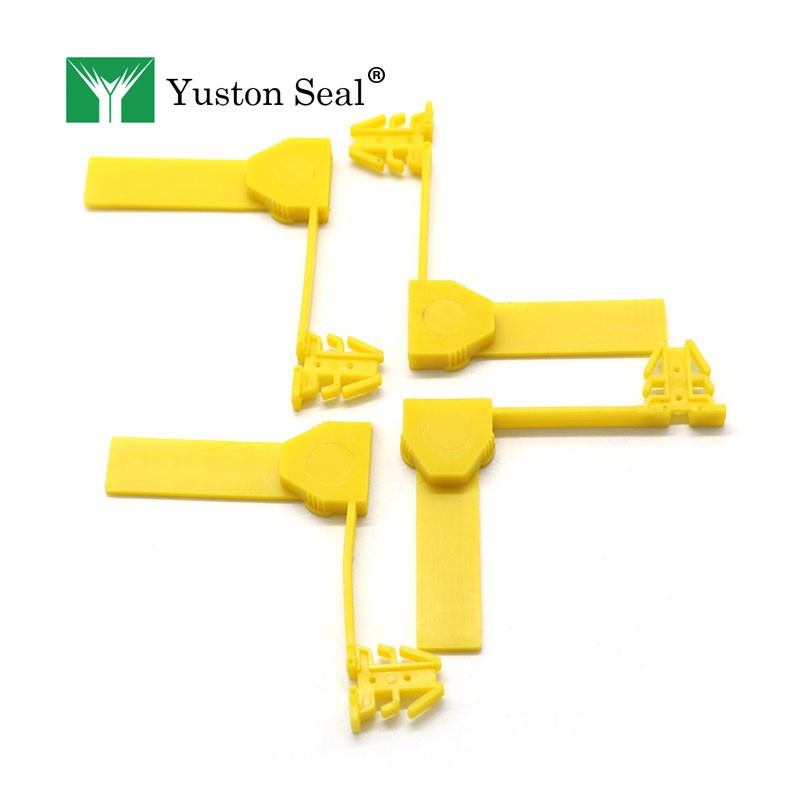
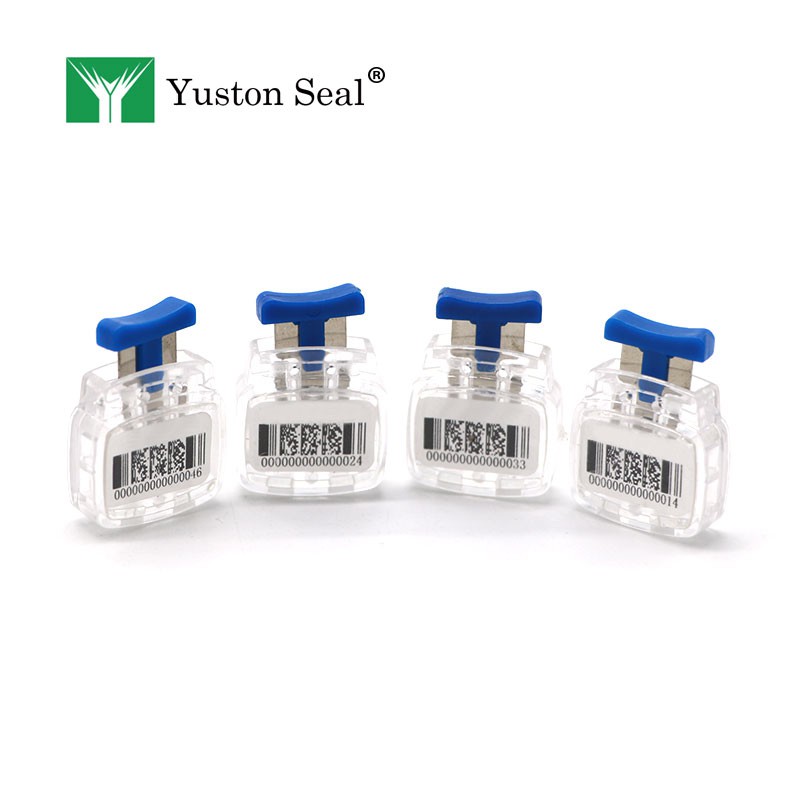
Manufacturer Information
The first and most fundamental piece of information on a meter seal label is the manufacturer's details. This includes the name of the company that produces the seals, along with its contact information such as address, phone number, and email. As a well - established meter seal supplier, our company name and contact details are prominently displayed on the label. This allows utility companies, regulatory bodies, and end - users to reach out to us in case of any queries, concerns, or if they need to order more seals. It also builds trust, as customers can verify our credibility and reputation in the market.
Seal Identification Number
Each meter seal should have a unique identification number. This number serves as a fingerprint for the seal, allowing for easy tracking and monitoring. In our production process, we use advanced numbering systems to ensure that every seal has a distinct code. This identification number is printed clearly on the label, and in some cases, it may also be engraved on the seal itself. Utility companies can use this number to keep a record of which seals are installed on which meters. If there are any signs of tampering, the identification number can be used to trace back the seal's origin, production batch, and installation history.
Seal Type
The label should clearly indicate the type of meter seal. There are different types of seals designed for various applications, such as Electric Meter Box Seal, Gas Meter Seal, and Security Meter Seals. For example, an electric meter box seal is specifically designed to secure the access to an electric meter box, protecting it from unauthorized entry. A gas meter seal, on the other hand, is engineered to withstand the specific environmental conditions associated with gas meters. By clearly stating the seal type on the label, users can easily select the appropriate seal for their needs.
Date of Manufacture
The date of manufacture is another important piece of information. It helps in determining the age of the seal, which can be relevant for assessing its durability and performance. Seals may degrade over time due to exposure to environmental factors such as sunlight, moisture, and temperature variations. By knowing the date of manufacture, utility companies can plan for seal replacements at appropriate intervals. Our labels clearly display the date of manufacture, allowing our customers to make informed decisions about the maintenance and management of their seals.
Batch Number
In addition to the individual seal identification number, the label should also include the batch number. The batch number is related to a group of seals that were produced together under similar conditions. This information is useful for quality control purposes. If there are any issues with a particular batch of seals, such as a manufacturing defect, the batch number allows for easy identification and recall of all the affected seals. As a responsible meter seal supplier, we keep detailed records of each batch, including production parameters, quality control checks, and raw material sources.
Tamper - Evident Features
Meter seals are designed to be tamper - evident, and the label should provide information about the specific tamper - evident features of the seal. This could include details such as break - away sections, unique patterns that are disrupted upon tampering, or special inks that change color when tampered with. By informing users about these features, they can easily detect if a seal has been tampered with. For example, our security meter seals are equipped with a break - away design. When someone tries to remove the seal without proper authorization, the break - away section will separate, leaving clear evidence of tampering. This information on the label helps in maintaining the integrity of the metering system.
Compliance Information
Meter seals often need to comply with various industry standards and regulations. The label should indicate which standards the seal meets. For example, in some regions, meter seals need to comply with specific electrical safety standards or gas industry regulations. By displaying compliance information on the label, we assure our customers that our seals are reliable and meet the required quality and safety benchmarks. This is especially important for utility companies, as they need to ensure that all their equipment, including seals, are in compliance with the law.
Installation Instructions
Providing installation instructions on the label can be very helpful for end - users. Not everyone may be familiar with the proper way to install a meter seal. Clear and concise instructions can ensure that the seal is installed correctly, which is crucial for its effectiveness. Our labels include step - by - step installation instructions, along with any necessary warnings or precautions. For example, we may indicate the recommended tools for installation and the correct orientation of the seal. This helps in reducing installation errors and ensures that the seal provides the intended level of security.
Usage and Maintenance Guidelines
In addition to installation instructions, the label should also include usage and maintenance guidelines. This could include information on how often the seal should be inspected, what to look for during inspections, and how to handle the seal properly. For instance, we may recommend that seals be inspected regularly for signs of damage or tampering. If a seal shows signs of wear and tear, it should be replaced immediately. By providing these guidelines on the label, we help our customers extend the lifespan of the seals and maintain the security of their metering systems.
Regulatory Markings
Depending on the region and the type of meter, there may be specific regulatory markings that need to be included on the label. These markings can indicate compliance with local laws, tax regulations, or other requirements. For example, some regulatory bodies may require a specific symbol or code to be printed on the seal to show that the meter has been properly registered. As a meter seal supplier, we stay up - to - date with all the relevant regulations and ensure that our labels include the necessary regulatory markings.
Conclusion
In conclusion, the label of a meter seal should be comprehensive and informative. It should include manufacturer information, a unique identification number, seal type, date of manufacture, batch number, tamper - evident features, compliance information, installation instructions, usage and maintenance guidelines, and regulatory markings. By providing all this information, we as a meter seal supplier can help our customers make the most of our products, ensure the security of their metering systems, and comply with relevant regulations.
If you are in the market for high - quality meter seals, we invite you to contact us for a procurement discussion. Our team of experts is ready to assist you in selecting the right seals for your specific needs.
References
- Industry standards for meter seals.
- Best practices in meter seal manufacturing and labeling.