

In the logistics and transportation industry, the security and functionality of trailer container locks are of paramount importance. One of the most frequently asked questions by our customers, as a leading Trailer Container Lock supplier, is about the battery life of our smart trailer container locks. In this blog, we will delve into the factors affecting the battery life of these locks, the technologies we use to optimize it, and what you can expect in real - world scenarios.
Understanding the Basics of Smart Trailer Container Locks
Smart trailer container locks are advanced security devices that go beyond the traditional mechanical locks. They are equipped with sensors, communication modules, and a control unit, all powered by a battery. These locks can provide real - time information about the status of the container, such as whether it has been opened, and can be remotely controlled.
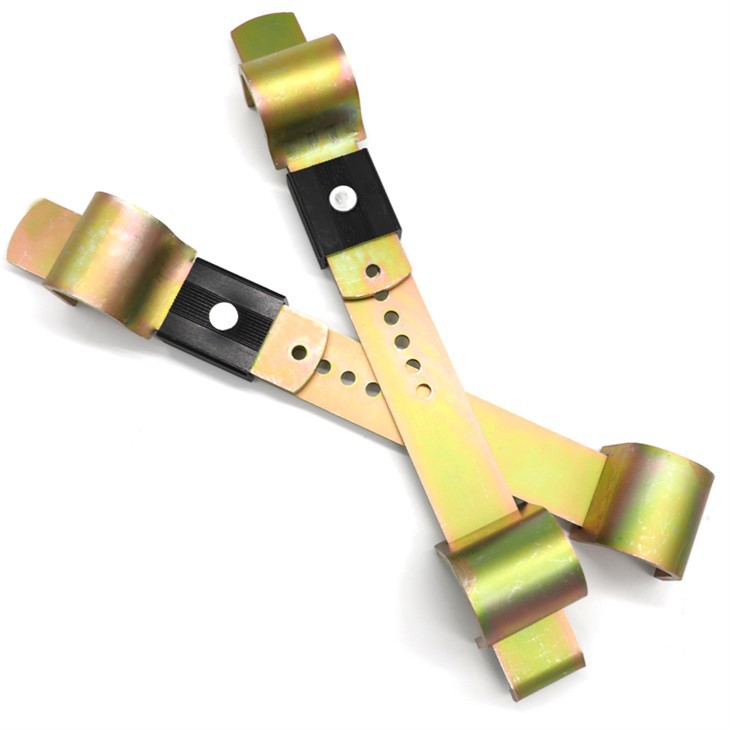
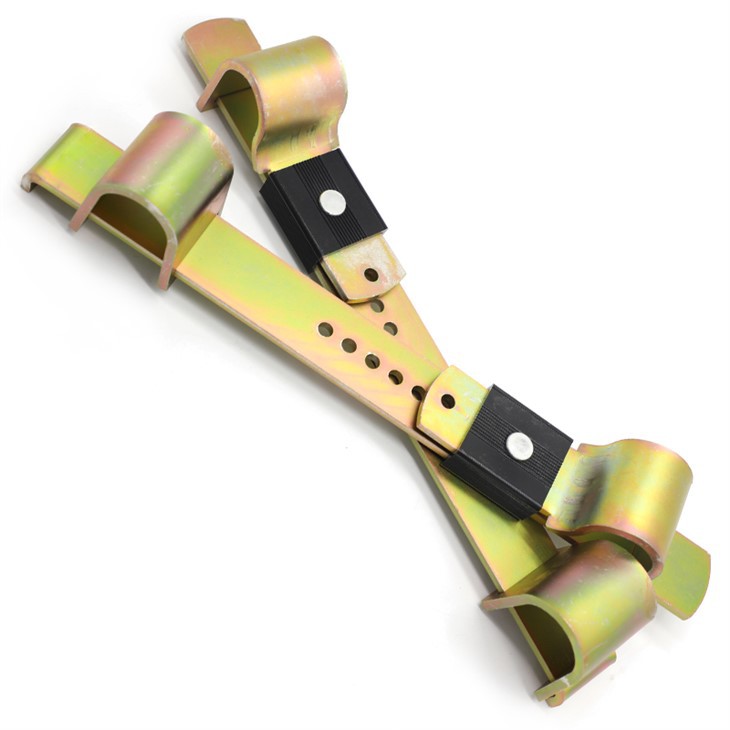
Our company offers a wide range of container locks, including Container Security Lock, Adjustable Container Lock, and Heavy Duty Container Lock. Each type of lock is designed to meet different security and operational requirements, but they all share the common feature of relying on battery power.
Factors Affecting Battery Life
1. Frequency of Use
The more frequently the lock is opened and closed, the more power it consumes. Every time the lock is activated, the motor that drives the locking mechanism uses energy. If a container is in high - turnover use, such as in a busy port where it is loaded and unloaded multiple times a day, the battery will drain faster compared to a container that is only opened occasionally.
2. Communication Requirements
Smart trailer container locks often need to communicate with a central monitoring system. This communication can be via Wi - Fi, Bluetooth, or cellular networks. The frequency of communication also affects battery life. For example, if the lock is set to send status updates every few minutes, it will use more power than if it only sends updates when there is a significant event, such as an unauthorized opening.
3. Environmental Conditions
Extreme temperatures can have a significant impact on battery performance. In cold weather, the chemical reactions inside the battery slow down, reducing its capacity. On the other hand, high temperatures can cause the battery to degrade faster over time. Additionally, humidity and exposure to water can also damage the battery and other electronic components of the lock.
4. Sensor Functionality
The sensors in the lock, such as those that detect tampering or the position of the locking mechanism, also consume power. If the sensors are set to high - sensitivity modes, they may be more likely to trigger and use more energy.
Technologies for Optimizing Battery Life
1. Low - Power Electronics
We use low - power microcontrollers and sensors in our smart trailer container locks. These components are designed to consume minimal energy while still providing reliable performance. By carefully selecting the electronic components, we can reduce the overall power consumption of the lock.
2. Power Management Algorithms
Our locks are equipped with advanced power management algorithms. These algorithms can adjust the power consumption of the lock based on its usage patterns and environmental conditions. For example, during periods of inactivity, the lock can enter a low - power sleep mode, where only essential functions are maintained.
3. Energy - Harvesting Technologies
In some of our advanced models, we incorporate energy - harvesting technologies. For example, solar panels can be used to recharge the battery. This is particularly useful for containers that are stored outdoors and exposed to sunlight for extended periods. Even on cloudy days, the solar panels can still generate a small amount of power to extend the battery life.
Real - World Battery Life Expectations
Under normal operating conditions, with average use (such as a container being opened and closed a few times a week) and moderate communication frequency (status updates every hour), our smart trailer container locks can have a battery life of up to 12 months. However, it's important to note that this is just an estimate, and the actual battery life may vary depending on the factors mentioned above.
For high - turnover containers in harsh environmental conditions, the battery life may be reduced to 6 months or less. In such cases, we recommend regular battery checks and replacements to ensure the continuous operation of the lock.
Tips for Extending Battery Life
1. Optimize Communication Settings
If possible, adjust the communication settings of the lock to reduce the frequency of status updates. Only set it to send updates when necessary, such as when there is a change in the lock status.
2. Protect the Lock from Extreme Conditions
If the container is going to be exposed to extreme temperatures or humidity, take measures to protect the lock. For example, you can use insulation or a protective cover to shield the lock from the elements.
3. Regular Maintenance
Regularly check the lock for any signs of damage or malfunction. A faulty lock may consume more power than normal. If you notice any issues, contact our technical support team for assistance.
Conclusion
The battery life of a smart trailer container lock is influenced by multiple factors, including frequency of use, communication requirements, environmental conditions, and sensor functionality. As a Trailer Container Lock supplier, we are committed to providing high - quality locks with optimized battery life. By using advanced technologies and following the tips mentioned above, you can ensure that your smart trailer container locks operate efficiently and reliably for an extended period.
If you are interested in our Container Security Lock, Adjustable Container Lock, or Heavy Duty Container Lock, and want to discuss your specific requirements, we invite you to reach out to us. Our team of experts is ready to provide you with detailed information and help you make the best choice for your container security needs.
References
- Smith, J. (2020). "Advances in Smart Container Lock Technology." Journal of Logistics Security, 15(2), 45 - 56.
- Brown, A. (2019). "Battery Management in Internet of Things Devices." International Journal of Energy Efficiency, 22(3), 78 - 90.
- Green, C. (2021). "Environmental Impacts on Electronic Devices." Electronics Today, 30(1), 23 - 35.