

Hey there! As a bolt seal supplier, I often get asked about the chemical resistance of bolt seals. It's a super important topic, especially for those who use these seals in various industries where they might come into contact with different chemicals. So, let's dive right in and explore what chemical resistance of a bolt seal really means.
First off, what are bolt seals? Well, they're those tough little devices used to secure containers, trucks, and other things to prevent unauthorized access. You can check out some of our high - quality options like High Security Truck Seals, Shipping Container Lock Seal, and Container Bullet Seal.
Now, when we talk about chemical resistance, we're referring to a bolt seal's ability to withstand the effects of different chemicals without getting damaged or losing its functionality. Chemicals can be pretty harsh, and if a bolt seal isn't resistant to them, it can lead to all sorts of problems.
Let's start with the materials. Bolt seals are typically made from different materials, and each has its own level of chemical resistance. One common material is stainless steel. Stainless steel is known for its durability and relatively good chemical resistance. It can handle a lot of common chemicals, like mild acids and alkalis. For example, in the food industry, where there might be some cleaning agents that are slightly acidic or alkaline, stainless - steel bolt seals can do a great job. They won't corrode easily, which means they'll keep your containers secure for a long time.
However, not all chemicals are friendly to stainless steel. Strong acids, like hydrochloric acid or sulfuric acid, can still cause problems. These acids can react with the metal and start to break it down over time. If a bolt seal is exposed to these strong acids for a long period, it might weaken, and its locking mechanism could fail. So, if you're in an environment where strong acids are present, you might need to look for a different material or a specially coated stainless - steel bolt seal.
Another material used for bolt seals is plastic. Plastic bolt seals can be a good option in some cases because they can be more resistant to certain chemicals than metal. For instance, some plastics are resistant to organic solvents. In industries like the paint or chemical manufacturing, where there are a lot of organic solvents, plastic bolt seals can be a better choice. They won't dissolve or get damaged by these solvents as easily as metal might.
But plastic also has its limitations. High - temperature environments can be a problem for plastic. Some plastics can become soft or brittle at high temperatures, and this can affect their chemical resistance. Also, some strong oxidizing agents can react with plastic and break it down. So, just like with stainless steel, you need to consider the specific chemicals in your environment when choosing a plastic bolt seal.
The environment in which the bolt seal is used also plays a big role in its chemical resistance. If a bolt seal is used outdoors, it's going to be exposed to the elements. Rain, for example, can carry pollutants and chemicals from the air. Acid rain is a real concern in some areas. Acid rain contains sulfuric and nitric acids, which can be harmful to both metal and plastic bolt seals. Over time, these acids can eat away at the seal and compromise its integrity.
In a marine environment, saltwater is a major factor. Saltwater is corrosive, especially to metal. Even stainless - steel bolt seals can start to corrode in a marine environment if they're not properly protected. The salt in the water can speed up the corrosion process, and the constant exposure to moisture can make things worse. Plastic bolt seals might be a better option here, but they still need to be able to withstand the salt and the humidity.
Now, let's talk about how we test the chemical resistance of bolt seals. At our company, we use a variety of tests to make sure our bolt seals can handle different chemicals. One common test is the immersion test. In this test, we take a sample of the bolt seal and immerse it in a container filled with the chemical we want to test. We leave it there for a certain period, usually a few days or weeks, depending on the chemical. Then, we take it out and check for any signs of damage, like corrosion, discoloration, or changes in the material's hardness.
We also do stress - testing. We expose the bolt seal to the chemical while applying a certain amount of stress, like pulling or twisting it. This simulates real - world conditions where the seal might be under pressure while being exposed to chemicals. If the seal fails under these conditions, it means it might not be suitable for that particular chemical environment.
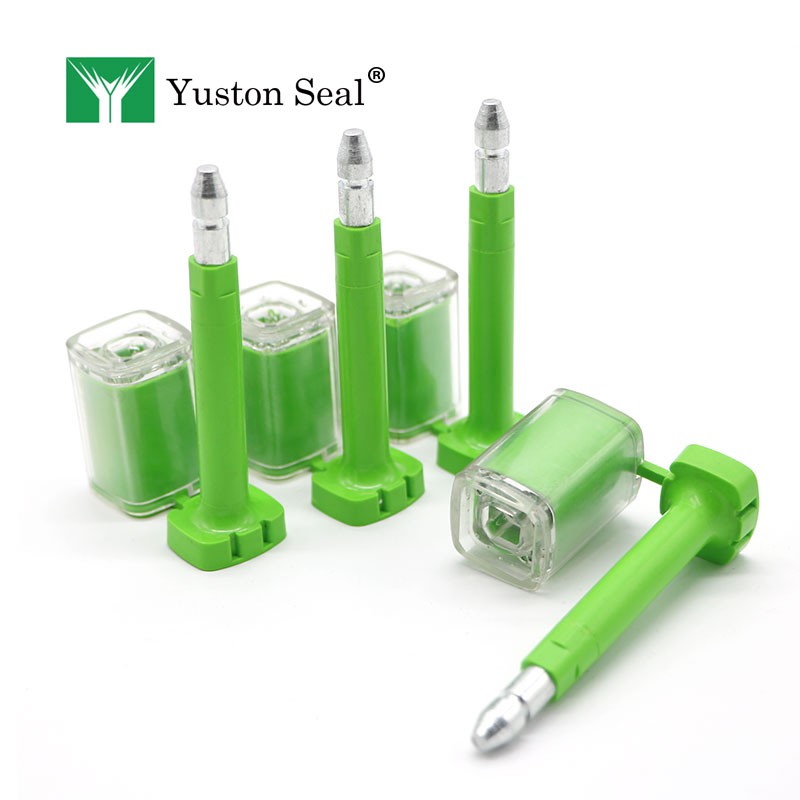
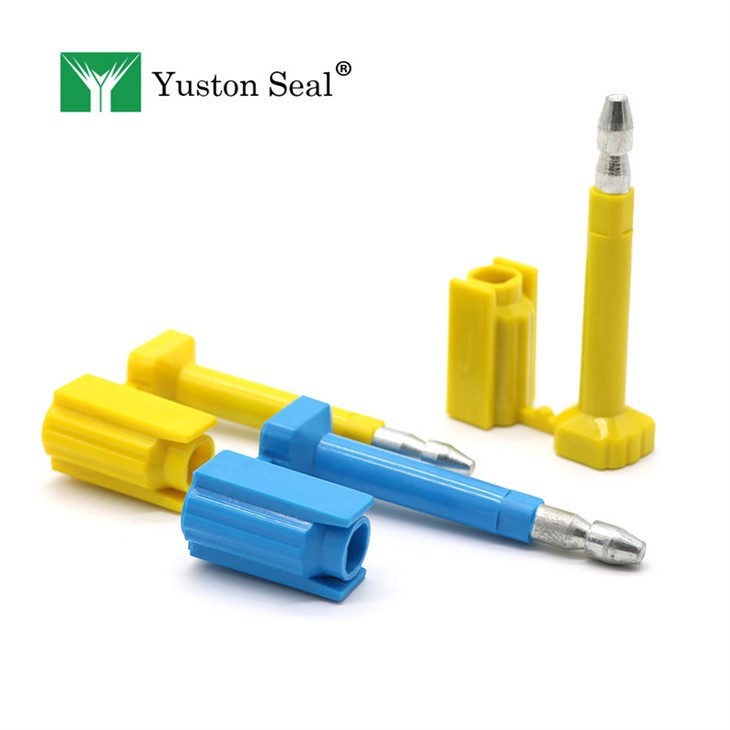
So, why is all this important? Well, if a bolt seal loses its chemical resistance, it can lead to security risks. A damaged bolt seal might not be able to hold properly, which means unauthorized access to your containers is possible. This can be a big problem, especially in industries where the contents of the containers are valuable or dangerous.
In the pharmaceutical industry, for example, the products inside the containers need to be kept secure and protected. If a bolt seal fails due to chemical damage, it could lead to contamination of the drugs. This not only affects the quality of the products but also poses a risk to public health.
In the transportation industry, a compromised bolt seal can lead to theft or tampering of the goods being transported. If a seal is damaged by chemicals and can't lock properly, someone could easily open the container and take the contents.
So, when you're choosing a bolt seal, you need to think about the chemicals it will be exposed to. Consider the type of industry you're in, the specific chemicals in your environment, and the conditions under which the seal will be used. If you're not sure, don't hesitate to reach out to us. We're here to help you find the right bolt seal for your needs.
We have a wide range of bolt seals with different levels of chemical resistance. Whether you need a stainless - steel bolt seal for a mild - chemical environment or a plastic bolt seal for an area with organic solvents, we've got you covered. We can also provide you with more information about the chemical resistance of our products and help you make an informed decision.
If you're interested in purchasing bolt seals or just want to learn more about them, feel free to get in touch. We're always happy to have a chat and discuss your requirements. Let's work together to keep your containers secure with the right bolt seals.
References
- General knowledge of materials science and chemical reactions
- Industry standards and guidelines for bolt seal manufacturing and use