

Hey there! I'm a supplier of stainless steel ties, and I often get asked about the density of the stainless steel we use in our ties. It's a pretty common question, and it's important to understand this property because it can affect how the ties perform in different applications. So, let's dive right into it and figure out what the density of stainless steel used in ties is all about.
First off, what actually is density? Well, density is basically how much mass is packed into a certain volume. In simpler terms, it tells you how heavy something is for its size. When it comes to stainless steel, the density can vary depending on the specific type or grade of stainless steel. There are a bunch of different grades out there, each with its own unique properties and uses.
The most common grades of stainless steel used in ties are 304 and 316. Grade 304 stainless steel is a popular choice because it's corrosion - resistant and has good strength. It's often used in general - purpose applications where you don't need extreme corrosion resistance. On the other hand, grade 316 stainless steel is even more corrosion - resistant, especially in harsh environments like marine settings. It contains molybdenum, which gives it that extra protection against corrosion.
The density of grade 304 stainless steel is approximately 7.93 g/cm³. That means if you have a cubic centimeter of grade 304 stainless steel, it will weigh about 7.93 grams. Grade 316 stainless steel has a slightly different density, around 7.98 g/cm³. The difference might seem small, but it can matter in some applications.
Now, why does the density of stainless steel matter for ties? Well, for starters, it can affect the weight of the ties. If you're using a large number of ties in a project, the weight can add up quickly. A higher - density stainless steel will result in heavier ties. This might not be a big deal in some applications, but in others, like aerospace or automotive where weight is a critical factor, it can be a major consideration.
Another reason is related to strength. Generally, a higher - density material can be stronger. So, if you need ties that can withstand a lot of stress or tension, a stainless steel with a higher density might be a better choice. But it's not always that simple. Other factors like the design of the tie and the manufacturing process also play important roles in determining its strength.
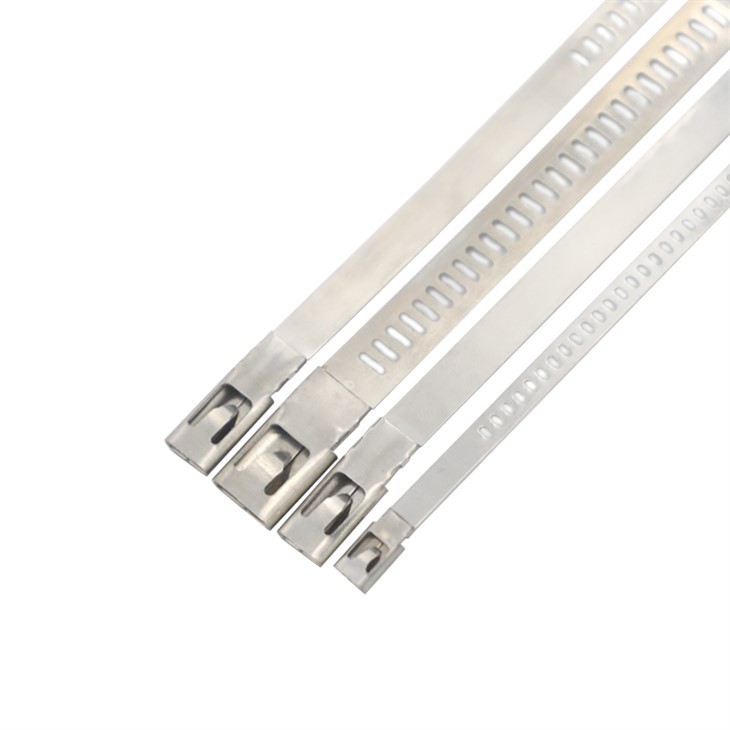
Let's talk a bit about the applications of our stainless steel ties. Our Stainless Steel Cable Wire Ties are great for securing cables in industrial settings. They can handle high temperatures and are very durable. The density of the stainless steel ensures that they are strong enough to hold the cables in place without breaking.
Metal Cable Ties are also a popular option. These are often used in outdoor applications where they need to resist corrosion from the elements. The density of the stainless steel helps them maintain their shape and strength over time, even in harsh weather conditions.
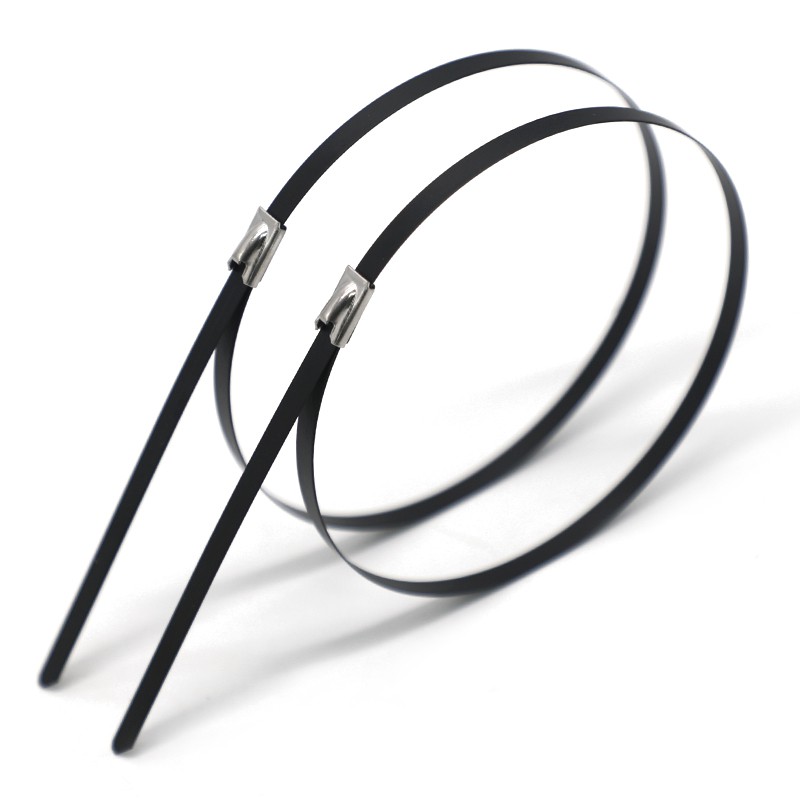
And then there are our Black Stainless Steel Zip Ties. They not only look cool but also have the same great properties as our other ties. The black coating gives them an extra layer of protection and a more aesthetically pleasing appearance.
When it comes to choosing the right stainless steel tie for your project, you need to consider the density along with other factors like corrosion resistance, strength, and cost. You might not always need the highest - density stainless steel. Sometimes, a lower - density option that still meets your requirements can save you money.
If you're in the market for high - quality stainless steel ties, we've got you covered. We offer a wide range of products that are made from top - notch stainless steel. Our team is always ready to help you figure out which tie is the best fit for your specific needs. Whether you're working on a small DIY project or a large industrial installation, we can provide the right solution.
So, if you're interested in learning more about our stainless steel ties or want to place an order, don't hesitate to reach out. We're here to make your procurement process as easy as possible. Just let us know what you need, and we'll do our best to get you the perfect stainless steel ties for your project.
In conclusion, the density of stainless steel used in ties can vary depending on the grade. Understanding this property is crucial for making the right choice when it comes to selecting ties for your applications. Whether it's for weight considerations, strength requirements, or corrosion resistance, the density plays an important role. And if you're looking for a reliable supplier of stainless steel ties, we're the ones to turn to.
References
- ASM Handbook Volume 1: Properties and Selection: Irons, Steels, and High - Performance Alloys
- Stainless Steel World Magazine articles on stainless steel properties and applications