

Are metal cable ties magnetic? This is a question that often pops up in the minds of many customers, especially those who are in industries where the magnetic properties of materials can have a significant impact on their operations. As a supplier of high - quality Metal Cable Ties, I'm here to provide you with a comprehensive answer based on scientific facts and real - world applications.
Understanding Metal Cable Ties
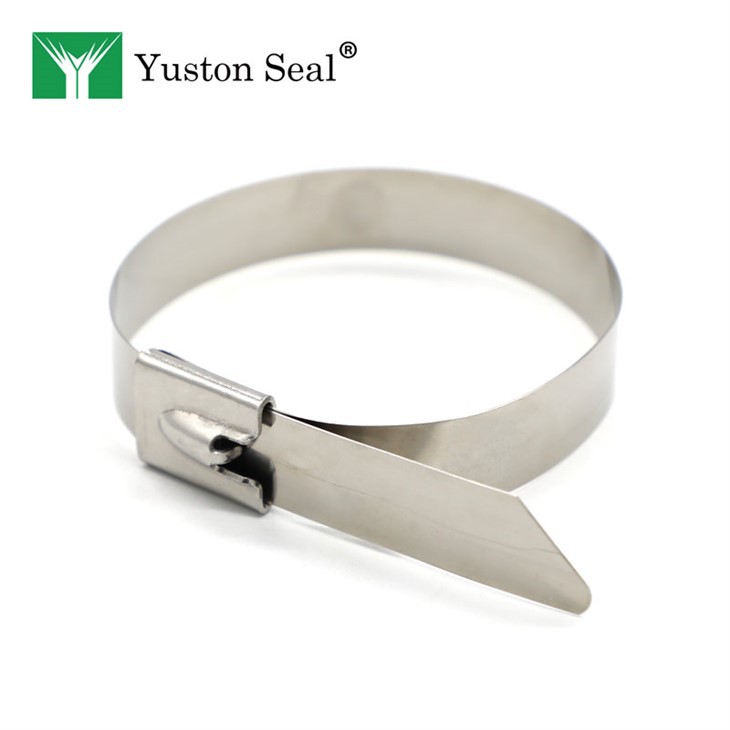
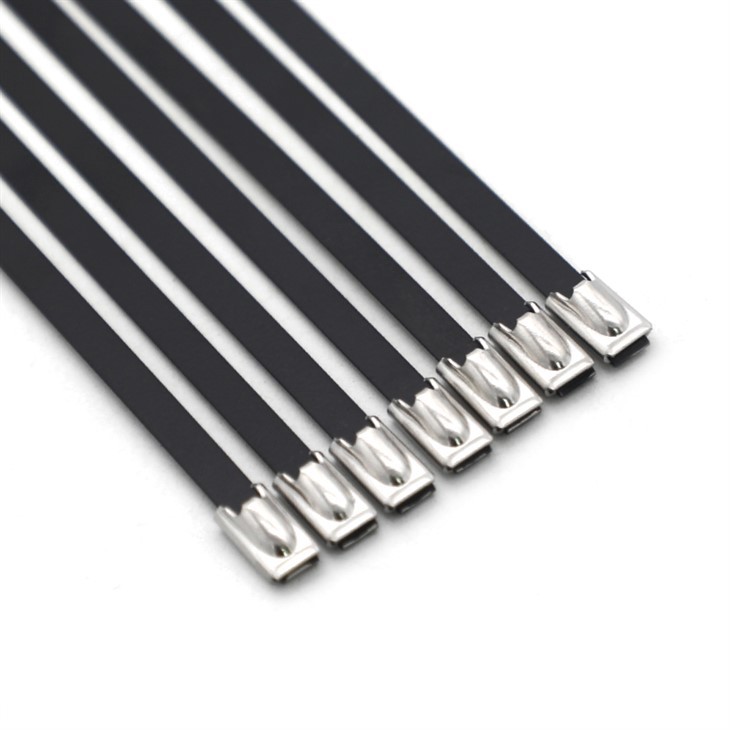
Before we delve into the magnetic properties, let's first understand what metal cable ties are. Metal cable ties are used for bundling, securing, and organizing cables, wires, and other objects. They are known for their durability, strength, and resistance to harsh environments compared to their plastic counterparts. Our company offers a wide range of metal cable ties, including Black Stainless Steel Zip Ties, Stainless Steel Locking Wire Ties, and Stainless Steel Cable Ties. These products are made from different types of metals, and the magnetic properties vary depending on the metal composition.
The Science Behind Magnetism
To understand whether metal cable ties are magnetic, we need to have a basic understanding of magnetism. Magnetism is a property of certain materials that can attract or repel other materials. The most common magnetic materials are iron, nickel, and cobalt. These materials have atoms with unpaired electrons that can align in a particular direction, creating a magnetic field.
When it comes to metals, not all metals are magnetic. For example, aluminum, copper, and brass are non - magnetic. The reason lies in their atomic structure. In non - magnetic metals, the electrons are paired in such a way that their magnetic fields cancel each other out, resulting in no net magnetic field.
Magnetic Properties of Different Metals Used in Cable Ties
Stainless Steel
Stainless steel is one of the most common metals used in cable ties. However, not all stainless steel is magnetic. Stainless steel is an alloy composed mainly of iron, chromium, and sometimes nickel. The magnetic properties of stainless steel depend on its microstructure and composition.
- Austenitic Stainless Steel: This type of stainless steel is non - magnetic. It has a face - centered cubic (FCC) crystal structure, which prevents the alignment of magnetic domains. Austenitic stainless steel contains a high percentage of nickel and chromium, which stabilize the FCC structure. Our Black Stainless Steel Zip Ties are often made from austenitic stainless steel, making them non - magnetic. This property is beneficial in applications where magnetic interference needs to be avoided, such as in electronic devices or sensitive equipment.
- Ferritic and Martensitic Stainless Steel: These types of stainless steel are magnetic. Ferritic stainless steel has a body - centered cubic (BCC) crystal structure, which allows for the alignment of magnetic domains. Martensitic stainless steel is also magnetic and is formed by heat - treating austenitic stainless steel under specific conditions. Our Stainless Steel Cable Ties may be made from ferritic or martensitic stainless steel, depending on the application requirements.
Carbon Steel
Carbon steel is another metal used in cable ties. Carbon steel is primarily composed of iron and carbon, with small amounts of other elements. It is magnetic because iron, the main component, is a ferromagnetic material. The carbon content in carbon steel can affect its strength and other properties, but it does not significantly change its magnetic nature. Stainless Steel Locking Wire Ties made from carbon steel are magnetic and are often used in applications where magnetic properties are not a concern, such as in general industrial cable management.
Applications Based on Magnetic Properties
The magnetic properties of metal cable ties play a crucial role in various applications.
Non - Magnetic Applications
- Electronics Industry: In the electronics industry, magnetic interference can cause malfunctions in electronic devices. Non - magnetic metal cable ties, such as those made from austenitic stainless steel, are used to bundle cables in computers, smartphones, and other electronic equipment. This ensures that the magnetic fields generated by the cables do not interfere with the operation of the devices.
- Medical Equipment: Medical equipment is often sensitive to magnetic fields. Non - magnetic cable ties are used to organize cables in MRI machines, X - ray machines, and other medical devices to prevent any magnetic interference that could affect the accuracy of the diagnostic results.
Magnetic Applications
- Industrial Machinery: In industrial settings, magnetic cable ties can be used in applications where they can be easily attached to magnetic surfaces. This makes it convenient for cable management in machinery and equipment, as the ties can be quickly secured in place.
- Automotive Industry: Magnetic cable ties can be used in the automotive industry for cable routing and organization. They can be attached to magnetic parts of the vehicle, providing a secure and stable way to manage cables.
Testing the Magnetism of Metal Cable Ties
If you are unsure whether a particular metal cable tie is magnetic, you can perform a simple test. Take a small magnet and bring it close to the cable tie. If the cable tie is attracted to the magnet, it is magnetic. If there is no attraction, it is non - magnetic.
It's important to note that the strength of the magnetic attraction can vary depending on the type of metal and its composition. For example, a cable tie made from pure iron will have a stronger magnetic attraction compared to a cable tie made from a low - iron stainless steel alloy.
Conclusion
In conclusion, whether metal cable ties are magnetic depends on the type of metal they are made from. Stainless steel cable ties can be either magnetic or non - magnetic, depending on their composition and microstructure. Carbon steel cable ties are generally magnetic. Understanding the magnetic properties of metal cable ties is essential for choosing the right product for your specific application.
If you are in need of high - quality metal cable ties, whether magnetic or non - magnetic, we are here to help. Our wide range of products, including Black Stainless Steel Zip Ties, Stainless Steel Locking Wire Ties, and Stainless Steel Cable Ties, are designed to meet the diverse needs of our customers. Contact us to discuss your requirements and start a procurement negotiation. We are committed to providing you with the best products and services.
References
- Callister, W. D., & Rethwisch, D. G. (2010). Materials Science and Engineering: An Introduction. Wiley.
- ASM Handbook Committee. (1990). ASM Handbook: Properties and Selection: Irons, Steels, and High - Performance Alloys. ASM International.