

As a supplier of Metal Trailer Seals, I've witnessed firsthand the diverse landscape of these essential security components across different countries. Metal trailer seals play a crucial role in safeguarding the contents of trailers during transit, preventing unauthorized access and ensuring the integrity of shipments. In this blog, I'll delve into the differences between metal trailer seals made in various countries, exploring factors such as manufacturing standards, materials, design, and regulatory requirements.
Manufacturing Standards
One of the primary differences between metal trailer seals made in different countries lies in their manufacturing standards. Each country has its own set of regulations and guidelines governing the production of security seals, which can significantly impact the quality and reliability of the final product.
In countries with well - established manufacturing industries and strict quality control measures, such as Germany and Japan, metal trailer seals are often produced to high - precision standards. These countries have a long history of engineering excellence and a culture of quality assurance. German manufacturers, for example, are known for their meticulous attention to detail and use of advanced manufacturing techniques. Their metal trailer seals are typically made with tight tolerances, ensuring a precise fit and reliable performance.
On the other hand, some developing countries may have less stringent manufacturing standards. While this doesn't necessarily mean that the seals are of poor quality, there may be more variability in the production process. In some cases, manufacturers in these countries may cut corners to reduce costs, which can lead to seals that are less durable or less secure. However, it's important to note that there are also many reputable manufacturers in developing countries that adhere to international quality standards and produce high - quality metal trailer seals.
Materials
The choice of materials used in metal trailer seals can vary widely depending on the country of origin. Different countries have access to different raw materials, and this can influence the composition and performance of the seals.
In the United States, for instance, many metal trailer seals are made from stainless steel. Stainless steel is a popular choice because it is corrosion - resistant, strong, and durable. It can withstand harsh environmental conditions, making it suitable for use in a variety of industries, including transportation and logistics. American manufacturers also often use high - quality alloys to enhance the strength and security of the seals.
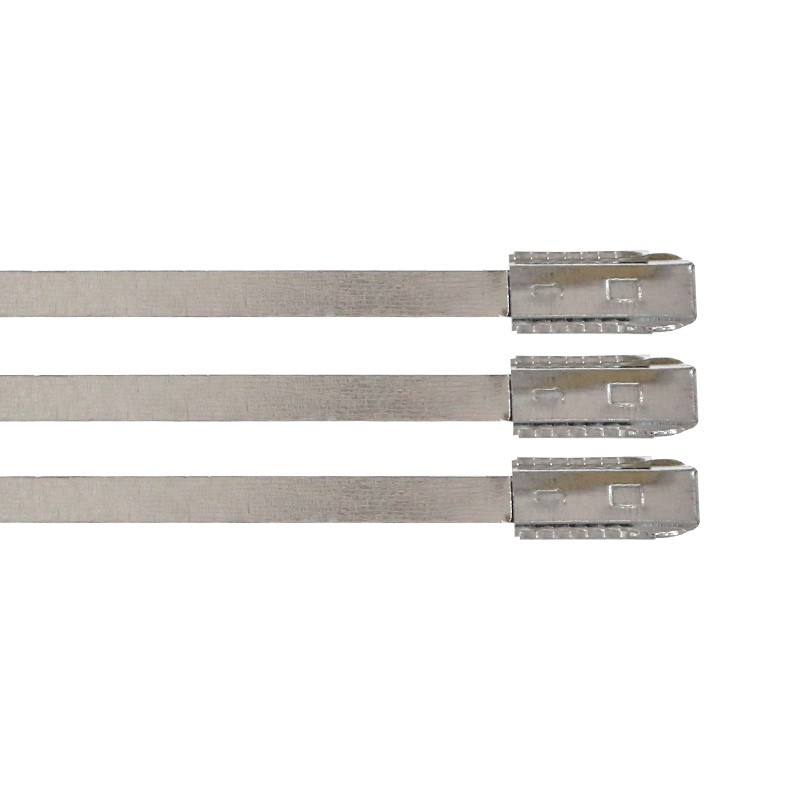
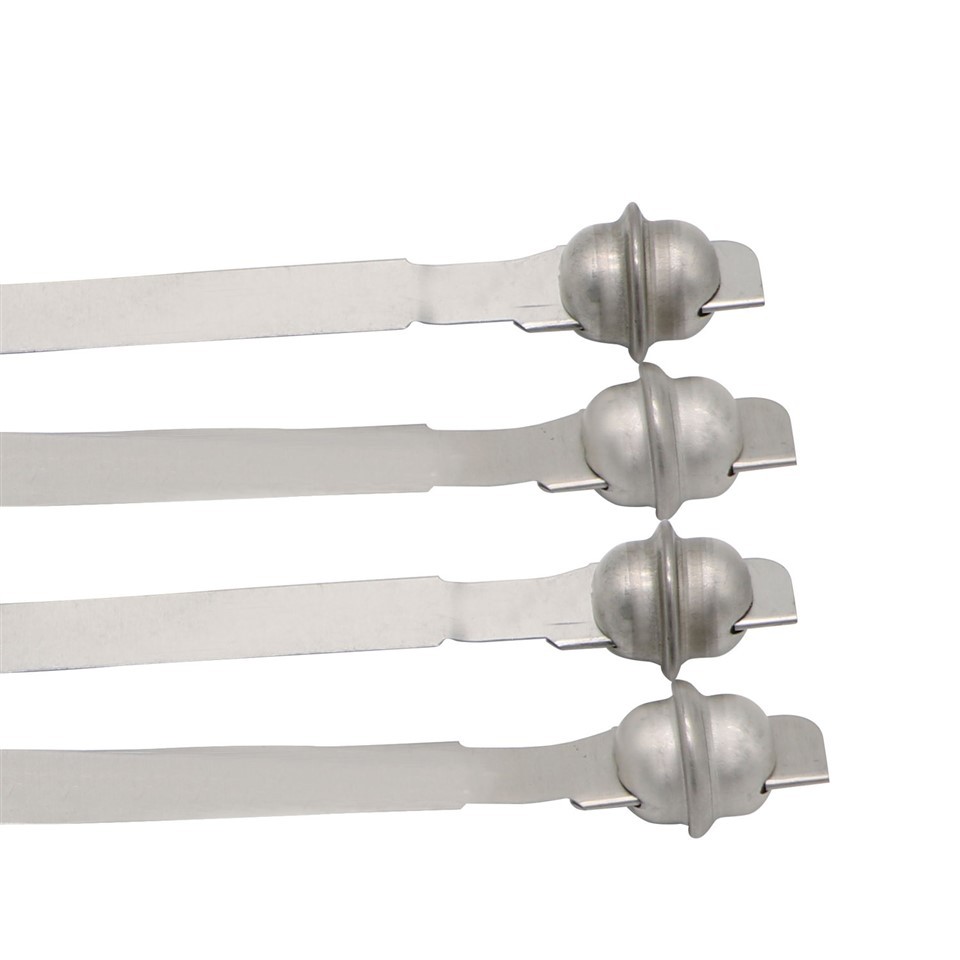
In contrast, some Asian countries may use a combination of metals, such as zinc - coated steel or aluminum. These materials are more cost - effective than stainless steel, which can make the seals more affordable. However, they may not be as resistant to corrosion or as strong as stainless steel seals. For applications where long - term durability and high - level security are required, stainless steel seals are generally preferred.
Design
The design of metal trailer seals can also vary from country to country. Different regions may have different requirements or preferences when it comes to the shape, size, and functionality of the seals.
European countries often favor seals with a more sophisticated design. These seals may feature unique locking mechanisms or tamper - evident features that make them more secure. For example, some European seals have a multi - prong locking system that provides a higher level of resistance to tampering. Additionally, European designers may focus on creating seals that are easy to install and remove, while still maintaining their security features.
In some African and South American countries, the design of metal trailer seals may be more basic. These seals are typically designed to meet the minimum security requirements at a lower cost. They may have a simple locking mechanism and a more straightforward design, which can be suitable for applications where security requirements are not as stringent.
Regulatory Requirements
Regulatory requirements for metal trailer seals can vary significantly from one country to another. Some countries have specific regulations regarding the use of security seals in the transportation of goods, while others may have more general guidelines.
In the European Union, for example, there are strict regulations governing the use of security seals in the customs and transportation sectors. Seals must meet certain standards of security and tamper - evidence to be approved for use. EU - compliant seals are often marked with specific symbols or codes to indicate their compliance.
In the United States, the Transportation Security Administration (TSA) has its own set of requirements for security seals used in the transportation of goods. Seals must be able to withstand a certain level of force and must be designed to show evidence of tampering. Manufacturers in the US must ensure that their seals meet these requirements to be used in TSA - regulated shipments.
In some countries, there may be no specific regulations for metal trailer seals. However, this doesn't mean that the seals are not subject to scrutiny. Importers and exporters may still require seals to meet certain standards to ensure the security of their shipments.
Impact on the Market
These differences in manufacturing standards, materials, design, and regulatory requirements have a significant impact on the global market for metal trailer seals. Buyers need to be aware of these differences when choosing a supplier and selecting the right seals for their needs.
For high - end applications where security and durability are of utmost importance, buyers may be willing to pay a premium for seals made in countries with strict manufacturing standards and high - quality materials. These seals are often seen as a long - term investment, as they can provide reliable protection for valuable shipments.
On the other hand, for applications where cost is a major consideration, buyers may opt for seals made in countries that offer more affordable options. However, they need to carefully evaluate the quality and security features of these seals to ensure that they meet their requirements.
As a supplier of Metal Trailer Seals, we understand the importance of providing our customers with high - quality seals that meet their specific needs. We offer a wide range of seals made from different materials and with various designs to cater to the diverse requirements of our global customer base. Whether you need Metal Seals For Containers or Container Metal Strap Seal, we have the expertise and the products to meet your needs.
If you're in the market for metal trailer seals, we encourage you to contact us to discuss your requirements. Our team of experts can help you select the right seals for your application and provide you with detailed information about our products. We're committed to providing our customers with the highest level of service and the best - quality products. Let's work together to ensure the security of your shipments.
References
- ISO 17712:2013, "Freight containers -- Mechanical seals"
- European Union Customs Code, regarding the use of security seals in customs procedures
- Transportation Security Administration (TSA) regulations for security seals in the United States.