

As a supplier of Ear Tags For Livestock, I've had the privilege of witnessing firsthand the importance of proper ear - tagging in the livestock industry. Ear tagging is not just a simple task; it requires a specific set of skills to ensure both the well - being of the animals and the effectiveness of the tagging system. In this blog, I'll delve into the key skills necessary to apply ear tags for livestock properly.
Knowledge of Livestock Behavior
Understanding the behavior of different livestock species is fundamental. Cattle, sheep, goats, and pigs all have distinct temperaments and physiological characteristics. For example, cattle are large and can be quite strong. They may become agitated if they feel threatened or uncomfortable. Before approaching a cow to apply an ear tag, it's crucial to observe its body language. A cow that is stomping its feet, swishing its tail vigorously, or showing signs of aggression should be approached with extreme caution.
Sheep, on the other hand, are more skittish and tend to flock together. When trying to catch a single sheep for ear - tagging, it's important to move slowly and avoid sudden movements that could startle the entire flock. Goats are known for their curiosity and agility. They can be more difficult to handle as they may try to jump or run away. Pigs are intelligent but can also be stubborn, and they may resist restraint.
A good ear - tagger should be able to anticipate the animal's reactions and take appropriate measures to minimize stress. This might involve using calming techniques, such as speaking softly to the animal or using pheromone - based products designed to reduce anxiety in livestock.
Familiarity with Ear Tag Types
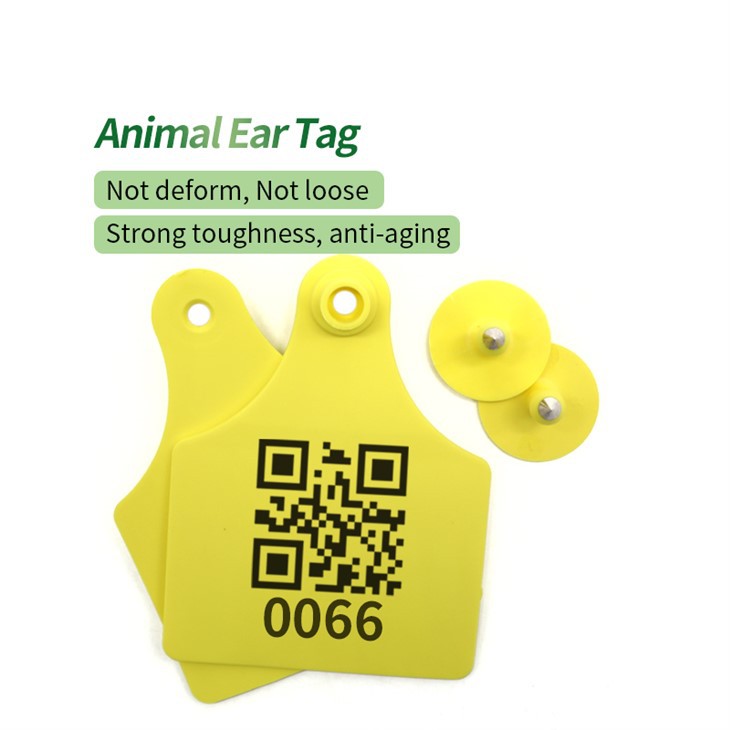
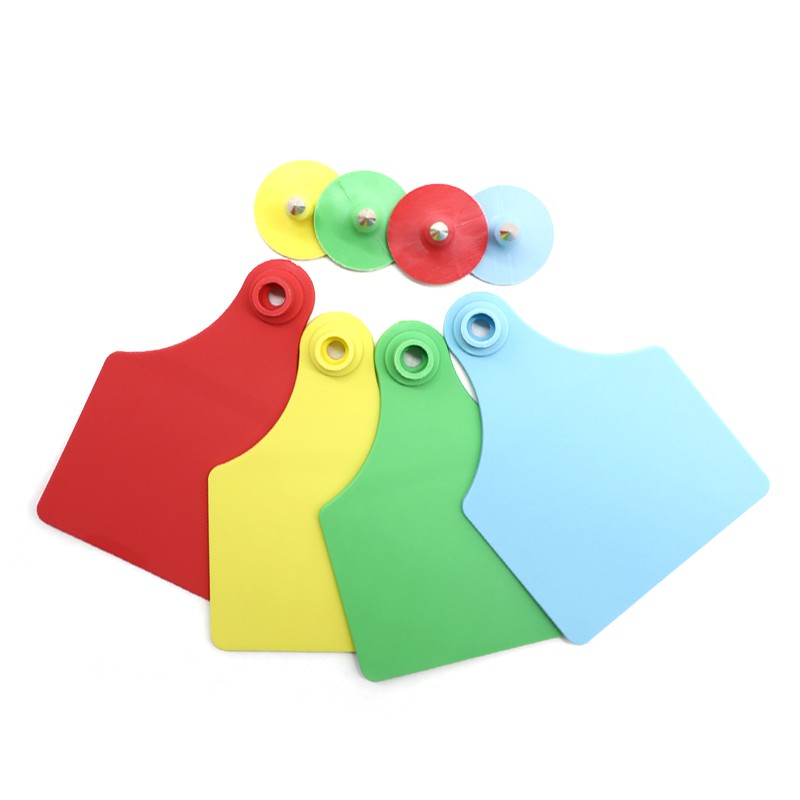
There are various types of ear tags available in the market, each with its own features and applications. Some common types include visual tags, which are typically made of plastic and have numbers or letters printed on them for easy identification. These Cow Number Tags are widely used for basic identification purposes.
There are also electronic tags, such as RFID (Radio - Frequency Identification) tags. RFID tags can store a large amount of data, including the animal's health history, vaccination records, and breeding information. They are read using a special scanner, which makes it easier to manage large herds or flocks.
As a supplier, I often encounter customers who are unsure which type of tag is best for their needs. A skilled ear - tagger should be able to explain the differences between these tags and help farmers choose the most suitable option. For example, if a farmer has a small - scale operation and only needs basic identification, a visual tag may be sufficient. However, for a large commercial farm that requires detailed record - keeping, an RFID tag might be a better choice.
Proficiency in Handling Tagging Tools
Proper use of tagging tools is essential for successful ear - tagging. The most common tool is the ear - tagging pliers. These pliers are designed to pierce the animal's ear and secure the tag in place. It's important to use the right size of pliers for the type of tag and the size of the animal's ear.
Before using the pliers, the ear - tagger should ensure that they are clean and in good working condition. Dull or dirty pliers can cause unnecessary pain and injury to the animal. The pliers should be held firmly but not too tightly, and the tag should be loaded correctly into the pliers.
When applying the tag, the ear - tagger should aim for the correct position on the ear. The tag should be placed in a location that is visible but not likely to be damaged by the animal's movement or scratching. For most livestock, the best position is usually in the middle of the ear, away from the edge and major blood vessels.
Hygiene and Sanitation Skills
Maintaining proper hygiene during the ear - tagging process is crucial to prevent the spread of diseases. The tagging tools should be disinfected before and after each use. This can be done by soaking the pliers in a disinfectant solution or using a sterilizing spray.
The animal's ear should also be cleaned before applying the tag. A clean ear reduces the risk of infection. This can be achieved by wiping the ear with a clean, damp cloth or using an antiseptic solution.
In addition, the ear - tagger should wear clean gloves to prevent the transfer of bacteria from their hands to the animal. If multiple animals are being tagged, the gloves should be changed between each animal to avoid cross - contamination.
Ability to Minimize Animal Stress
Stress can have a negative impact on the health and well - being of livestock. A skilled ear - tagger should be able to minimize stress during the tagging process. This can be achieved through proper restraint techniques. For example, when tagging a cow, a headgate or a squeeze chute can be used to immobilize the animal safely. This not only makes the tagging process easier but also reduces the risk of injury to both the animal and the ear - tagger.
It's also important to work quickly and efficiently. Prolonged handling can increase the animal's stress levels. The ear - tagger should be well - prepared before starting the process, with all the necessary tools and tags within reach.
Record - Keeping Skills
Accurate record - keeping is an important part of the ear - tagging process. Each tag should be associated with specific information about the animal, such as its breed, date of birth, and vaccination history. This information can be recorded in a paper log or using a digital system.
A skilled ear - tagger should be able to enter this information correctly and update it as needed. For example, if an animal receives a vaccination, the ear - tagger should record the date and type of vaccine on the animal's record. This helps farmers keep track of their livestock's health and management.
Training and Certification
While on - the - job experience is valuable, formal training and certification can enhance an ear - tagger's skills. There are many training programs available that cover topics such as livestock behavior, tag types, tool handling, and hygiene. These programs often include hands - on training, which allows ear - taggers to practice their skills in a controlled environment.
Certification can provide credibility and assurance to farmers that the ear - tagger has the necessary skills and knowledge. It also shows a commitment to professional development and best practices in the livestock industry.
Conclusion
Applying ear tags for livestock properly requires a combination of skills, including knowledge of livestock behavior, familiarity with tag types, proficiency in handling tools, hygiene and sanitation skills, the ability to minimize animal stress, record - keeping skills, and formal training. As a supplier of Ear Tags for Livestock, I understand the importance of these skills in ensuring the success of ear - tagging programs.
If you're in the market for high - quality Ear Tag products or need more information about proper ear - tagging techniques, I encourage you to reach out. We're here to help you make the best choices for your livestock management needs. Whether you're a small - scale farmer or a large commercial operation, we have the products and expertise to support you.
References
- Animal Welfare Guidelines for Livestock Management. National Livestock Association.
- Ear - Tagging Best Practices Manual. Agricultural Research Institute.
- RFID Technology in Livestock Identification. Journal of Animal Science and Technology.