

When it comes to managing cattle, one of the essential tools is the cow number tag. These tags play a crucial role in identifying individual animals, which is vital for various reasons such as record - keeping, health management, and traceability. As a cow number tag supplier, I often encounter customers who are confused about the differences between plastic and metal cow number tags. In this blog, I will delve into the details of these two types of tags to help you make an informed decision.
Material and Durability
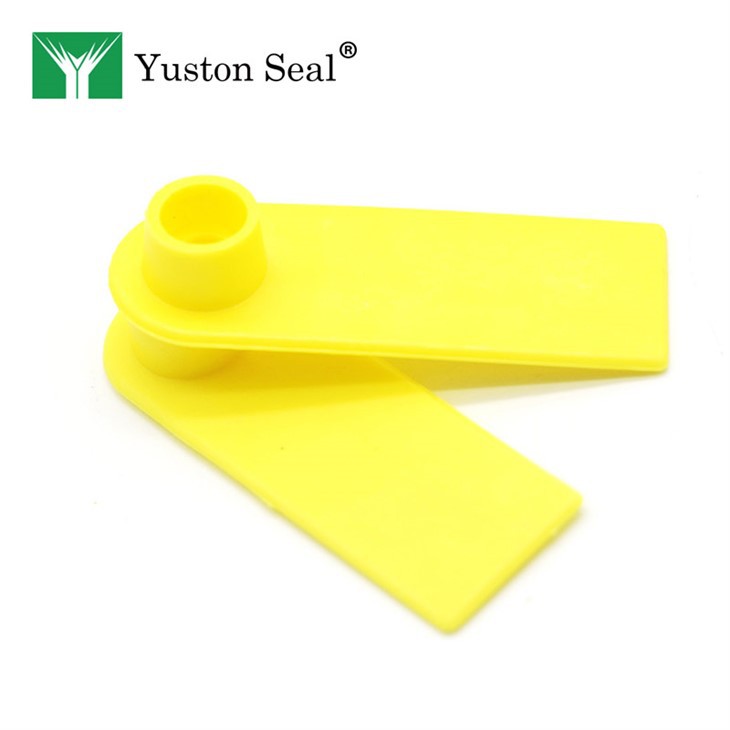
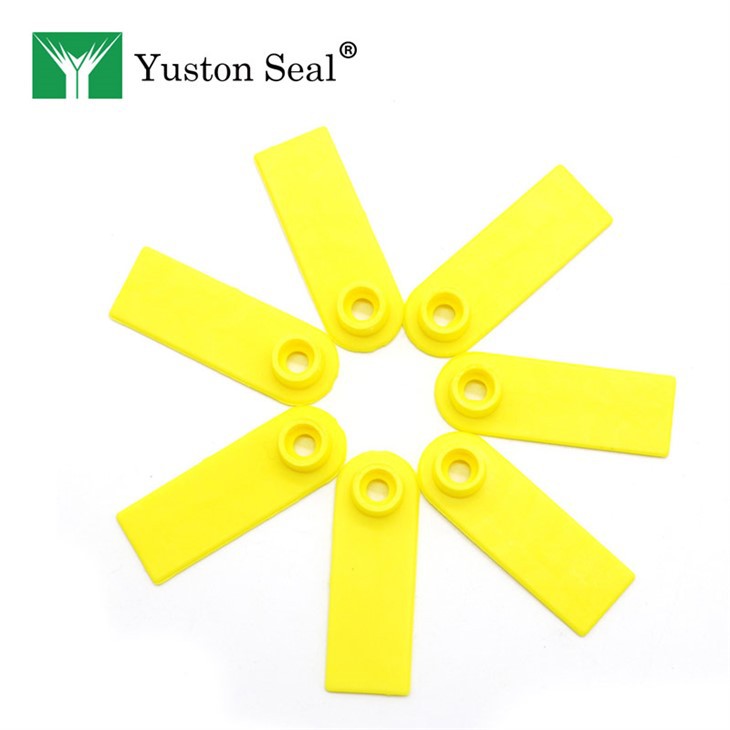
Plastic cow number tags are typically made from high - density polyethylene (HDPE) or polypropylene. These materials are lightweight and flexible, which makes them easy to attach to the cow's ear. The flexibility also means that they are less likely to cause injury to the animal's ear compared to more rigid materials. However, their durability can be a concern. Over time, plastic tags can become brittle, especially when exposed to harsh environmental conditions such as extreme heat, cold, or UV radiation. They may also be prone to chewing by the cattle themselves or damage from bushes and fences.
On the other hand, metal cow number tags are usually made of stainless steel, aluminum, or brass. Stainless steel tags are highly resistant to corrosion, making them suitable for long - term use in all types of weather conditions. Aluminum tags are lightweight but still quite durable, and brass tags offer a classic look along with good resistance to wear. Metal tags are much more robust than plastic ones and are less likely to break or be damaged during normal cattle handling. They can withstand the rigors of daily life on the farm, including rubbing against objects and being pulled on.
Readability
Readability is a key factor when it comes to cow number tags. Plastic tags often come with pre - printed numbers or letters that are brightly colored, making them easy to read from a distance. The printing on plastic tags can be quite clear, and some manufacturers offer the option of custom - printing, allowing you to add specific numbers, barcodes, or logos. However, as the plastic ages, the printing may start to fade, especially if the tag is exposed to sunlight for extended periods.
Metal tags, on the other hand, have engraved or stamped numbers. Engraving creates a permanent mark on the metal surface, ensuring that the numbers remain legible for the life of the tag. Stamped numbers are also quite durable, although they may not be as deep as engraved ones. Metal tags can be polished to enhance their visibility, and they do not suffer from the issue of fading like plastic tags. This makes them a great choice for long - term identification, especially in large herds where quick and accurate identification is necessary.
Cost
Cost is always a consideration for farmers and ranchers. Plastic cow number tags are generally more affordable than metal tags. The materials used in plastic tags are relatively inexpensive, and the manufacturing process is also less complex. This makes them a popular choice for those on a tight budget or for large - scale operations where a large number of tags are required.
Metal tags, however, come with a higher price tag. The cost of the metal materials, along with the more involved manufacturing processes such as engraving or stamping, contribute to their higher cost. But it's important to consider the long - term value. Since metal tags are more durable and have better readability over time, they may actually be a more cost - effective option in the long run, as you won't have to replace them as often as plastic tags.
Ease of Application
Applying plastic cow number tags is a relatively straightforward process. Most plastic tags come with a pre - attached applicator, which is designed to pierce the cow's ear and secure the tag in place. The flexibility of the plastic makes it easy to insert the tag through the ear without causing too much discomfort to the animal. Additionally, plastic tags are available in different sizes and shapes, allowing you to choose the most appropriate one for your cattle.
Metal tags, on the other hand, may require a special applicator. The process of applying a metal tag can be a bit more challenging, as the metal is more rigid and may require more force to pierce the ear. However, with the right tools and proper training, it can be done safely and effectively. Some metal tags also come with a locking mechanism to ensure that they stay securely in place once applied.
Animal Welfare
Animal welfare is a top priority for all farmers. Plastic tags are generally considered to be more animal - friendly due to their flexibility. They are less likely to cause irritation or injury to the cow's ear, especially during the initial period after application. The smooth edges of plastic tags reduce the risk of abrasion, and the lightweight nature of the tags means that they put less strain on the ear.
Metal tags, while durable, can be a bit more of a concern in terms of animal welfare. The rigidity of the metal can cause discomfort if the tag is not properly applied or if it rubs against the ear. However, modern metal tags are designed with rounded edges and smooth surfaces to minimize this risk. It's important to choose the right size and type of metal tag for your cattle and to ensure that it is applied correctly to avoid any potential welfare issues.
Environmental Impact
In today's world, environmental impact is an important consideration. Plastic tags are made from non - biodegradable materials, which means that they can contribute to environmental pollution if not disposed of properly. When plastic tags break or become unusable, they often end up in landfills, where they can take hundreds of years to decompose.
Metal tags, on the other hand, are more environmentally friendly. Metals such as stainless steel, aluminum, and brass are recyclable. When a metal tag reaches the end of its useful life, it can be recycled and used to make new products. This reduces the demand for new raw materials and helps to minimize the environmental footprint.
Conclusion
In conclusion, both plastic and metal cow number tags have their own advantages and disadvantages. Plastic tags are affordable, easy to apply, and initially more animal - friendly, but they may lack durability and long - term readability. Metal tags, on the other hand, are more expensive and a bit more challenging to apply, but they offer superior durability, better readability, and are more environmentally friendly in the long run.
As a cow number tag supplier, I understand that every farm has different needs. If you are looking for a cost - effective solution for short - term identification or for a large number of cattle, plastic tags may be the way to go. However, if you are concerned about long - term durability, readability, and environmental impact, metal tags are a better choice.
If you are interested in purchasing cow number tags, whether plastic or metal, I encourage you to contact me for more information and to discuss your specific requirements. We offer a wide range of Ear Tag in Cattle, Ear Tags for Livestock, and Ear Tags For Farm Animals that are designed to meet the highest standards of quality and performance. Let's start a conversation about how we can help you manage your cattle more effectively.
References
- Agricultural Research Journal: "Comparative Study of Plastic and Metal Identification Tags in Cattle Management"
- Livestock Science Magazine: "Long - Term Performance of Different Types of Cow Number Tags"
- Animal Welfare Journal: "Impact of Tag Materials on Cattle Ear Health and Well - being"