

As a seasoned cable seal supplier, I've witnessed firsthand the diverse needs and applications of cable seals in various industries. One of the most common questions I encounter is about the difference between single - use and multi - use cable seals. In this blog post, I'll delve into the characteristics, advantages, and use cases of both types to help you make an informed decision for your specific requirements.
Single - Use Cable Seals
Single - use cable seals, as the name suggests, are designed for one - time use. Once they are applied and locked, they cannot be reused without breaking the seal. These seals are typically made of materials such as plastic or metal and are equipped with a locking mechanism that ensures a secure closure.
Characteristics
- Tamper - Evident Design: Single - use cable seals are highly tamper - evident. Any attempt to remove or manipulate the seal will leave visible signs, such as a broken cable or a damaged locking mechanism. This makes them ideal for applications where security and integrity are of utmost importance.
- Cost - Effective: Since they are designed for single use, these seals are generally more cost - effective than multi - use seals. They are often used in large - scale operations where a high volume of seals is required.
- Variety of Sizes and Strengths: Single - use cable seals come in a wide range of sizes and strengths to accommodate different applications. Whether you need a small seal for a lightweight container or a heavy - duty seal for a large truck, there is a single - use cable seal available to meet your needs.
Advantages
- Enhanced Security: The tamper - evident nature of single - use cable seals provides an extra layer of security. They are commonly used in industries such as transportation, logistics, and warehousing to protect valuable goods from theft and tampering.
- Ease of Use: Applying a single - use cable seal is a straightforward process. Most seals can be easily installed by hand, without the need for special tools. This makes them convenient for use in the field.
- Regulatory Compliance: In many industries, the use of single - use cable seals is required to comply with regulatory standards. For example, in the transportation of hazardous materials, these seals are often used to ensure the safety and integrity of the cargo.
Use Cases
- Shipping Containers: Single - use cable seals are widely used to secure shipping containers. They are applied at the point of origin and remain intact until the container reaches its destination. This helps to prevent unauthorized access to the container during transit.
- Trucks and Trailers: These seals are also commonly used to secure trucks and trailers. They can be used to seal the doors of the vehicle, preventing theft of the cargo.
- Warehouse Storage: In warehouses, single - use cable seals can be used to secure storage units and lockers. This helps to protect inventory from unauthorized access.
If you're interested in customizing single - use cable seals to meet your specific requirements, you can visit our Custom Cable Seals page.
Multi - Use Cable Seals
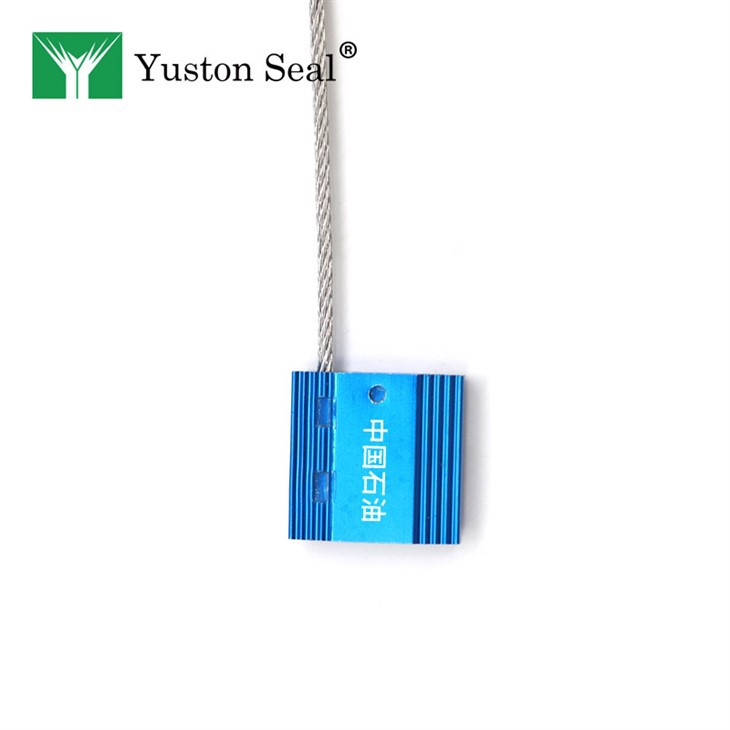
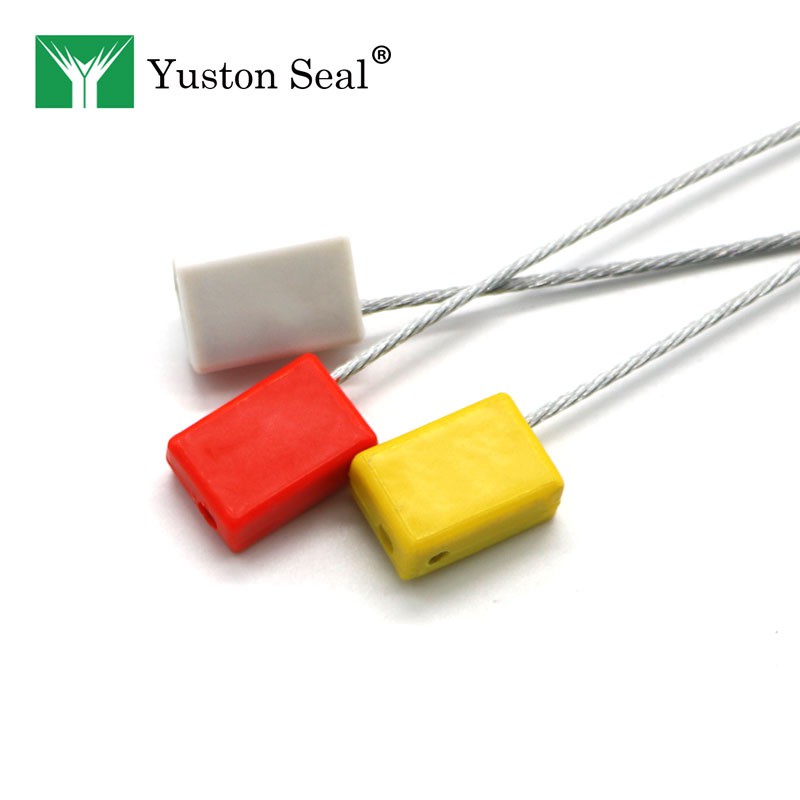
Multi - use cable seals, on the other hand, are designed to be used multiple times. They feature a reversible locking mechanism that allows the seal to be unlocked and reused without damaging it.
Characteristics
- Reusable Design: The ability to reuse multi - use cable seals makes them a more sustainable option. They can be used in applications where the same seal needs to be applied and removed multiple times.
- Higher Initial Cost: Compared to single - use cable seals, multi - use seals generally have a higher initial cost. However, over time, the cost per use can be lower, especially if the seal is used frequently.
- Durable Construction: Multi - use cable seals are typically made of high - quality materials such as stainless steel or hardened plastic. This makes them more durable and resistant to wear and tear.
Advantages
- Cost - Savings in the Long Run: While the initial investment in multi - use cable seals may be higher, the ability to reuse them can result in significant cost savings over time. This is especially true for businesses that use a large number of seals on a regular basis.
- Flexibility: Multi - use cable seals offer greater flexibility compared to single - use seals. They can be easily unlocked and reapplied as needed, making them suitable for applications where access to the sealed item may be required periodically.
- Environmentally Friendly: The reusable nature of multi - use cable seals makes them a more environmentally friendly option. By reducing the amount of waste generated from single - use seals, they help to minimize the environmental impact.
Use Cases
- Equipment and Machinery: Multi - use cable seals are often used to secure equipment and machinery. They can be used to lock access panels and prevent unauthorized access to sensitive components.
- Retail Stores: In retail stores, multi - use cable seals can be used to secure display cases and storage areas. They can be easily removed and reapplied by authorized personnel, allowing for easy access to the merchandise.
- Event Management: These seals are also useful in event management. They can be used to secure gates, barriers, and equipment at events, and can be reused for future events.
If you're looking for multi - use cable seals for your trucks, check out our Truck Cable Seals page. And for container applications, our Container Cable Seal page has a variety of options available.
Choosing the Right Seal
When deciding between single - use and multi - use cable seals, several factors need to be considered.
- Security Requirements: If security is your top priority, single - use cable seals may be the better choice. Their tamper - evident design provides a high level of security and is often required in industries with strict security regulations.
- Frequency of Use: If you need to apply and remove the seal multiple times, multi - use cable seals are more suitable. They offer the flexibility to be reused without the need for replacement.
- Budget: Cost is always a consideration. While single - use cable seals are generally more cost - effective upfront, multi - use seals can offer long - term savings if they are used frequently.
- Application: The specific application also plays a role in the choice of seal. For example, if you are sealing a shipping container that will be in transit for an extended period, a single - use seal may be the best option. However, if you are securing a piece of equipment that needs to be accessed regularly, a multi - use seal would be more appropriate.
Conclusion
In conclusion, both single - use and multi - use cable seals have their own unique advantages and are suitable for different applications. As a cable seal supplier, I understand the importance of choosing the right seal for your specific needs. Whether you require the enhanced security of a single - use seal or the flexibility of a multi - use seal, we have a wide range of options available to meet your requirements.
If you're interested in learning more about our cable seal products or would like to discuss your specific needs, please don't hesitate to contact us. Our team of experts is ready to assist you in finding the perfect cable seal solution for your business.
References
- "Cable Seals: A Comprehensive Guide" - Industry Handbook
- "Security and Tamper - Evident Seals in the Transportation Industry" - Journal of Logistics and Supply Chain Management
- "Best Practices for Using Cable Seals in Warehousing" - Warehouse Management Magazine