

In the world of cable management, the choice between stainless - steel and regular metal cable ties can significantly impact the performance and longevity of your projects. As a trusted Metal Cable Ties supplier, I've witnessed firsthand the diverse needs of customers and the importance of making an informed decision. In this blog, I'll delve into the key differences between these two types of cable ties, helping you understand which one is the best fit for your specific requirements.
Material Composition
Regular metal cable ties are typically made from carbon steel or other common metals. Carbon steel is an alloy of iron and carbon, with small amounts of other elements. It's known for its strength and relatively low cost, making it a popular choice for general - purpose applications. However, carbon steel is prone to rust and corrosion when exposed to moisture, chemicals, or harsh environmental conditions.
On the other hand, stainless - steel cable ties are made from an alloy that contains at least 10.5% chromium. This chromium content forms a passive oxide layer on the surface of the stainless steel, which protects it from corrosion. Other elements such as nickel, molybdenum, and titanium may also be added to enhance the alloy's properties, such as its strength, ductility, and resistance to specific types of corrosion.
Corrosion Resistance
One of the most significant differences between stainless - steel and regular metal cable ties is their corrosion resistance. Regular metal cable ties made from carbon steel can rust quickly when exposed to water, humidity, or corrosive chemicals. Rust not only weakens the cable tie but can also cause damage to the cables or equipment it's holding. This makes regular metal cable ties unsuitable for outdoor applications, marine environments, or areas with high levels of moisture or chemical exposure.
Stainless - steel cable ties, however, offer excellent corrosion resistance. The passive oxide layer on the surface of the stainless steel prevents the metal from reacting with oxygen and other corrosive agents. This makes stainless - steel cable ties ideal for use in harsh environments, such as outdoor installations, chemical plants, and marine applications. For example, in a coastal area where saltwater spray is common, stainless - steel cable ties will maintain their integrity and functionality for much longer than regular metal cable ties. You can explore our range of Stainless Steel Cable Ties for such demanding applications.
Strength and Durability
Both stainless - steel and regular metal cable ties are known for their strength. Regular metal cable ties can provide a high level of tensile strength, making them suitable for securing heavy - duty cables and objects. However, their strength can be compromised over time due to rust and corrosion.
Stainless - steel cable ties, in addition to their corrosion resistance, also offer excellent strength and durability. The alloy composition of stainless steel gives it a high tensile strength, allowing it to withstand significant pulling forces without breaking. Moreover, stainless - steel cable ties are less likely to deform or lose their shape under stress, ensuring a long - lasting and reliable cable management solution. Our Metal Cable Ties are designed to meet the highest standards of strength and durability, making them a top choice for industrial and commercial applications.
Temperature Resistance
Temperature can have a significant impact on the performance of cable ties. Regular metal cable ties may experience changes in their mechanical properties at extreme temperatures. At high temperatures, carbon steel can become softer and lose some of its strength, while at low temperatures, it can become brittle and more prone to cracking.
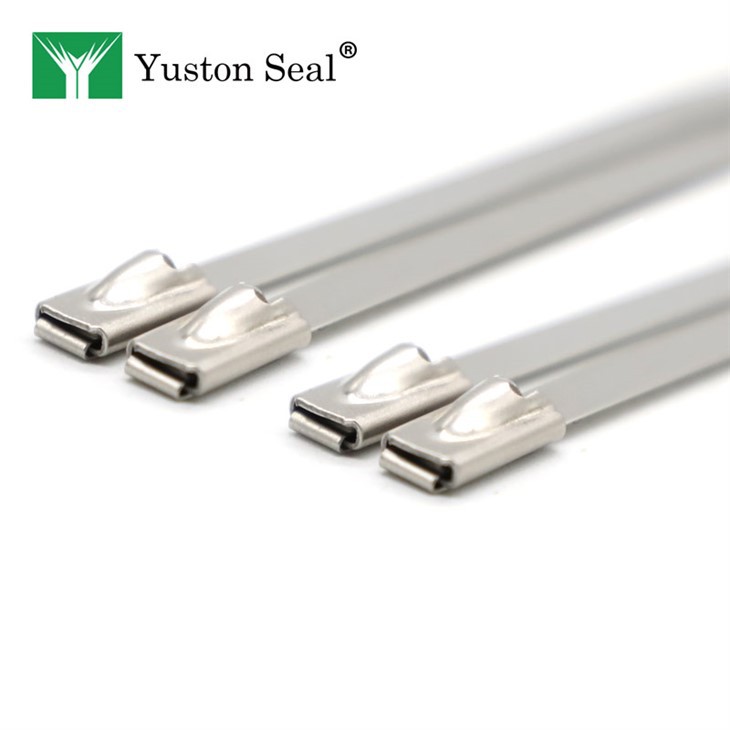
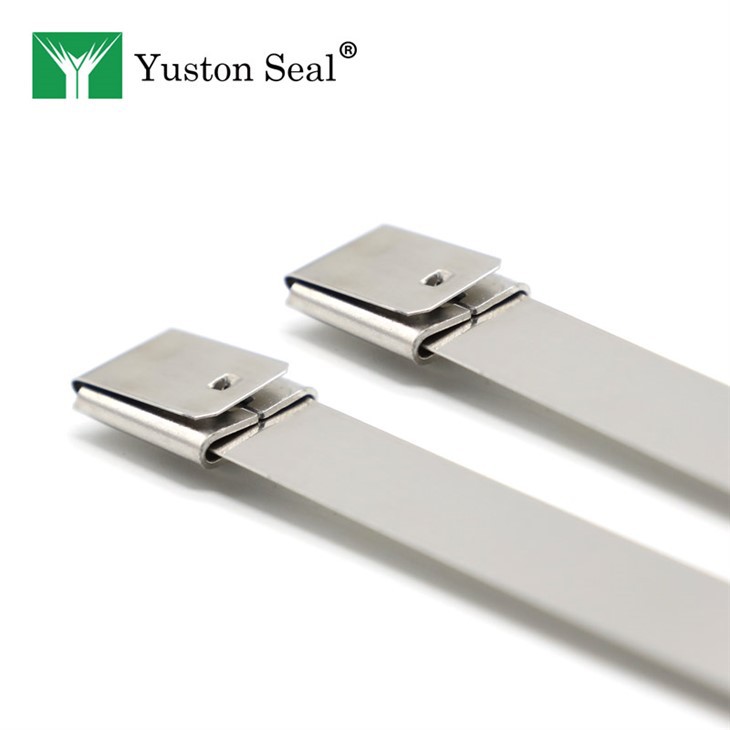
Stainless - steel cable ties, on the other hand, have better temperature resistance. They can maintain their strength and flexibility over a wide range of temperatures, from extremely cold to very hot conditions. This makes stainless - steel cable ties suitable for applications in environments with fluctuating temperatures, such as industrial ovens, freezers, and outdoor installations in regions with extreme climates.
Cost
Cost is often a crucial factor when choosing between stainless - steel and regular metal cable ties. Regular metal cable ties are generally less expensive than stainless - steel cable ties. This is because the raw materials used in regular metal cable ties, such as carbon steel, are more readily available and less costly to produce.
However, when considering the long - term cost, stainless - steel cable ties may be a more cost - effective option. Their superior corrosion resistance and durability mean that they need to be replaced less frequently than regular metal cable ties. In applications where corrosion is a concern, the cost of replacing rusted regular metal cable ties and the potential damage to cables and equipment can far exceed the initial cost difference between the two types of cable ties.
Aesthetic Appearance
In some applications, the aesthetic appearance of the cable ties may also be a consideration. Regular metal cable ties often have a dull, grayish appearance, which may not be suitable for applications where a more polished or professional look is required.
Stainless - steel cable ties, on the other hand, have a shiny, metallic finish that can enhance the overall appearance of the installation. This makes them a popular choice for applications where aesthetics are important, such as in architectural installations, consumer electronics, and display units.
Applications
The differences between stainless - steel and regular metal cable ties make them suitable for different applications. Regular metal cable ties are commonly used in indoor applications where corrosion is not a major concern, such as in offices, warehouses, and data centers. They are also suitable for temporary or short - term installations where cost is a primary consideration.
Stainless - steel cable ties, due to their superior corrosion resistance, strength, and temperature resistance, are used in a wide range of demanding applications. They are commonly used in outdoor installations, such as in telecommunications towers, solar panel installations, and outdoor lighting systems. In the marine industry, stainless - steel cable ties are used to secure cables and equipment on boats, ships, and offshore platforms. They are also widely used in the food and beverage industry, where hygiene and corrosion resistance are critical, and in the automotive and aerospace industries for cable management in harsh environments. Check out our Stainless Steel Locking Wire Ties for specialized applications.
Conclusion
In conclusion, the choice between stainless - steel and regular metal cable ties depends on several factors, including the application environment, the level of corrosion resistance required, the strength and durability needed, the temperature range, cost, and aesthetic preferences. As a Metal Cable Ties supplier, I understand the importance of providing the right solution for each customer's unique needs.
If you're facing a challenging environment with high levels of moisture, chemicals, or extreme temperatures, stainless - steel cable ties are the clear choice. Their superior corrosion resistance, strength, and durability will ensure a long - lasting and reliable cable management solution. However, if you're working on an indoor, low - risk application where cost is a major concern, regular metal cable ties may be sufficient.
I encourage you to reach out to discuss your specific requirements. Whether you need help selecting the right type of cable tie or have questions about our products, I'm here to assist you. Let's work together to find the best cable management solution for your project.
References
- ASM Handbook Committee. (2004). ASM Handbook, Volume 13A: Corrosion: Fundamentals, Testing, and Protection. ASM International.
- Davis, J.R. (1998). Stainless Steels. ASM International.
- Kutz, M. (2016). Mechanical Engineers' Handbook: Materials and Mechanical Design. John Wiley & Sons.