

Hey there! As a supplier of stainless steel ties, I often get asked about the differences between stainless steel ties and ties made from other materials. Well, let's dive right in and explore these differences.
Material Composition
First off, let's talk about what stainless steel ties are made of. Stainless steel is an alloy primarily composed of iron, with a significant amount of chromium (usually at least 10.5%). This chromium forms a thin, invisible layer of chromium oxide on the surface of the steel, which protects it from rust and corrosion. Other elements like nickel, molybdenum, and manganese might also be added to enhance specific properties.
On the other hand, ties made from other materials can vary widely. For example, nylon ties are made from synthetic polymers. They're lightweight and flexible, and they're often used in a lot of everyday applications. Plastic ties can be made from different types of plastics, each with its own set of characteristics.
Strength and Durability
One of the biggest advantages of stainless steel ties is their strength. They can withstand a much higher amount of tension compared to many other types of ties. If you're working in an environment where you need to secure heavy cables or objects, stainless steel ties are the way to go. They won't snap easily under pressure, which gives you peace of mind.
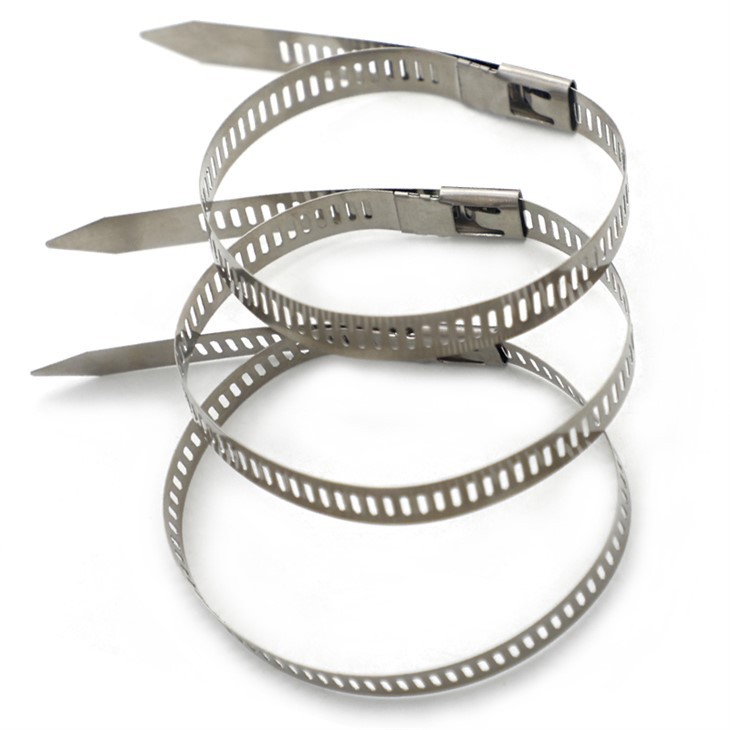
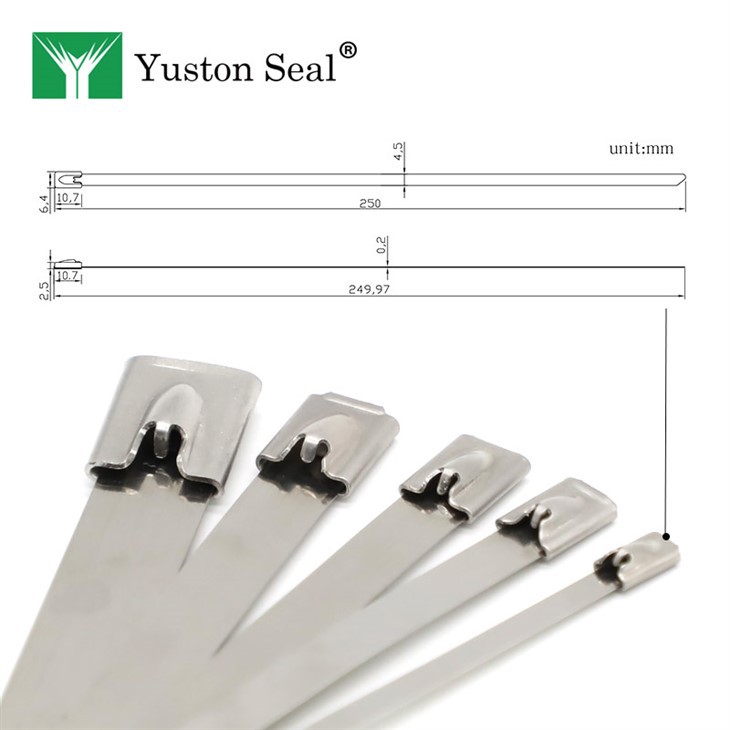
In terms of durability, stainless steel ties are top - notch. They're resistant to extreme temperatures, whether it's really hot or really cold. They can also handle exposure to chemicals, moisture, and UV rays without degrading quickly. This makes them ideal for outdoor use or in industrial settings where harsh conditions are the norm.
Nylon ties, while they're strong for their weight, can become brittle over time when exposed to sunlight or certain chemicals. Plastic ties may also crack or break if they're bent too many times or are subjected to high stress.
Resistance to Corrosion
As I mentioned earlier, stainless steel ties have excellent corrosion resistance. This is because of that protective chromium oxide layer. Whether you're using them near the ocean where there's a lot of salt in the air, or in a factory with corrosive chemicals, stainless steel ties will hold up well.
Other materials don't fare as well in corrosive environments. Nylon ties can absorb moisture, which can lead to mold growth or weaken the material. Plastic ties can be damaged by chemicals and may start to break down over time.
Applications
Stainless steel ties are used in a wide range of applications. In the electrical industry, they're used to secure cables and wires in power plants, substations, and electrical panels. Their strength and corrosion resistance make them perfect for these critical applications.
In the automotive industry, stainless steel ties are used to organize wiring harnesses. They can handle the vibrations and temperature changes that come with being in a vehicle.
In the marine industry, they're used to secure equipment on boats and ships. The saltwater - resistant nature of stainless steel is crucial in this environment.
Nylon ties, on the other hand, are more commonly used in lighter - duty applications like home wiring projects or organizing small items in an office. Plastic ties are often used for temporary or less - critical applications, such as holding together a bundle of papers.
Aesthetics
Stainless steel ties have a sleek and professional look. They give a clean and modern appearance, which can be important in some applications where aesthetics matter. For example, in a high - end building's electrical installation, stainless steel ties can add to the overall look of the system.
Nylon and plastic ties come in a variety of colors, which can be useful for color - coding different cables or objects. But in terms of a high - end, industrial look, they can't quite match stainless steel.
Cost
It's true that stainless steel ties are generally more expensive than nylon or plastic ties. This is because of the cost of the raw materials and the manufacturing process. However, when you consider their long - term durability and performance, they can actually be a more cost - effective choice. You won't have to replace them as often as you would with other types of ties, which can save you money in the long run.
Types of Stainless Steel Ties
We offer different types of stainless steel ties to meet various needs. For example, Black Stainless Steel Zip Ties are not only strong but also have a unique black finish. This can be useful in applications where you want a more discreet look.
Stainless Steel Cable Wire Ties are designed for applications where you need to secure cables over long distances or in areas where flexibility is required.
Stainless Steel Locking Wire Ties provide a reliable locking mechanism, ensuring that your cables or objects stay securely in place.
Conclusion
So, in summary, stainless steel ties offer superior strength, durability, corrosion resistance, and a professional look compared to ties made from other materials. While they may cost more upfront, their long - term benefits make them a great investment.
If you're in the market for high - quality stainless steel ties, I'd love to talk to you. Whether you're a small business looking for a few ties for a project or a large corporation in need of a bulk order, we can help. Get in touch with us to discuss your specific requirements and get a quote. We're here to make sure you get the best stainless steel ties for your needs.
References
- "Materials Science and Engineering: An Introduction" by William D. Callister Jr. and David G. Rethwisch
- Industry reports on cable tie materials and applications