

What is the impact resistance of plastic meter seals?
As a dedicated supplier of plastic meter seals, I've had the privilege of witnessing firsthand the critical role these seals play in various industries. One of the most frequently asked questions I encounter is about the impact resistance of plastic meter seals. In this blog post, I'll delve into this topic, exploring what impact resistance means, why it matters, and how our products stack up in this regard.
Understanding Impact Resistance
Impact resistance refers to a material's ability to withstand sudden forces or shocks without breaking, cracking, or deforming significantly. For plastic meter seals, this property is crucial because they are often exposed to a variety of harsh environments and potential physical impacts during installation, use, and transportation.
When a meter seal is installed, it may be subjected to accidental bumps or drops. During its service life, it could face impacts from tools, machinery vibrations, or even vandalism attempts. A seal with poor impact resistance may fail prematurely, compromising the security and integrity of the metering system it's protecting.
Why Impact Resistance Matters
The importance of impact resistance in plastic meter seals can't be overstated. Here are some key reasons:
- Security: Meter seals are used to prevent unauthorized access and tampering with meters. If a seal breaks easily upon impact, it becomes vulnerable to malicious interference. A high-impact-resistant seal provides a stronger deterrent, as it's more difficult to damage without leaving obvious signs.
- Longevity: Seals that can withstand impacts are likely to have a longer service life. They won't need to be replaced as frequently due to damage, reducing maintenance costs and downtime for the metering system.
- Reliability: In industries where accurate metering is essential, such as energy, water, and gas, a reliable seal is crucial. A seal that can resist impacts ensures that the meter remains secure and the readings are accurate over time.
Factors Affecting Impact Resistance
Several factors influence the impact resistance of plastic meter seals:
- Material Quality: The type of plastic used is a significant factor. High-quality engineering plastics, such as polycarbonate or nylon, generally offer better impact resistance compared to lower-grade plastics. These materials have inherent strength and toughness, allowing them to absorb and distribute impact energy more effectively.
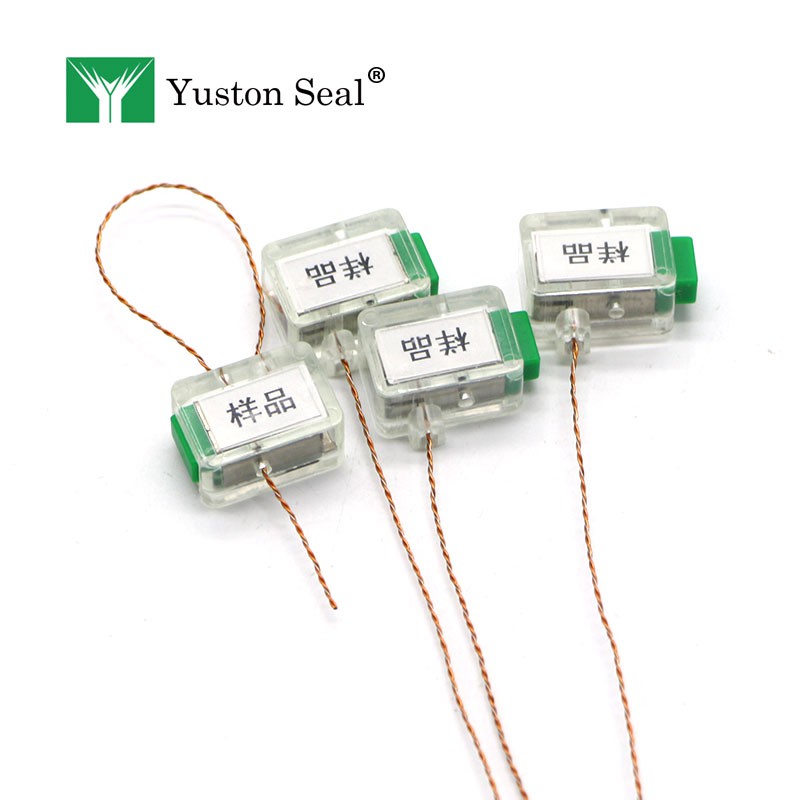
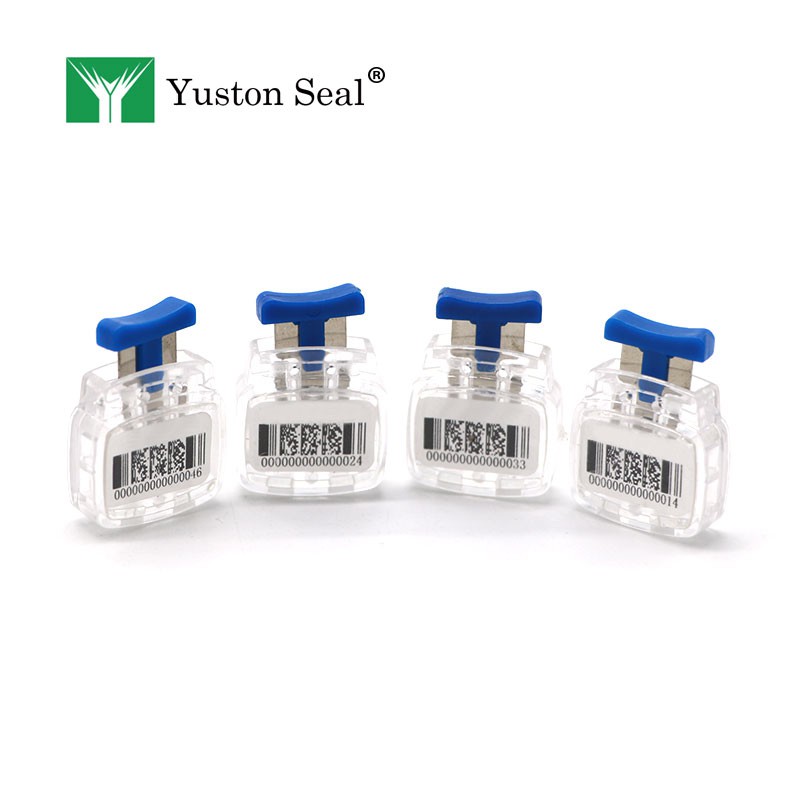
- Design: The design of the seal also plays a role. A well-designed seal may have features like reinforced edges, thick walls, or shock-absorbing structures that enhance its ability to withstand impacts. For example, some of our Plastic Meter Seal Lock designs incorporate ribbing and strategic wall thickness variations to improve impact resistance.
- Manufacturing Process: The way the seal is manufactured can affect its impact resistance. Injection molding, for instance, can produce seals with consistent quality and strength. Proper processing parameters, such as temperature and pressure, ensure that the plastic is molded correctly, minimizing internal stresses that could weaken the seal.
Testing Impact Resistance
To ensure the quality and performance of our plastic meter seals, we conduct rigorous impact resistance testing. There are several standard test methods available, including the Charpy and Izod impact tests.
In the Charpy test, a notched specimen of the plastic material is struck by a pendulum, and the energy absorbed during the fracture is measured. The Izod test is similar but uses a different specimen configuration. These tests provide valuable data on the material's ability to resist impact under specific conditions.
We also perform real-world simulations to evaluate how our seals perform in actual usage scenarios. This may involve dropping the seals from different heights, subjecting them to repeated impacts, or exposing them to vibrations similar to those encountered in industrial settings.
Our Plastic Meter Seals' Impact Resistance
At our company, we take pride in offering plastic meter seals with excellent impact resistance. Our seals are made from high-quality plastics that are carefully selected for their strength and durability. Through continuous research and development, we've optimized our designs and manufacturing processes to enhance impact performance.
For example, our Security Meter Seals are engineered to withstand significant impacts without compromising their integrity. They have been tested under various conditions and have consistently met or exceeded industry standards. Our Meter Seal Security Electric products are also designed with impact resistance in mind, ensuring reliable performance in electrical metering applications.
Conclusion
In conclusion, the impact resistance of plastic meter seals is a critical property that directly affects their security, longevity, and reliability. As a supplier, we understand the importance of providing seals that can withstand the rigors of real-world use. Our commitment to using high-quality materials, innovative designs, and rigorous testing ensures that our plastic meter seals offer superior impact resistance.
If you're in the market for plastic meter seals and are looking for products with excellent impact resistance, we'd love to hear from you. Whether you're in the energy, water, or any other industry that requires reliable metering solutions, our team of experts can help you find the right seals for your needs. Contact us today to start a conversation about your requirements and explore how our products can meet your expectations.
References
- ASTM International. (20XX). Standard test methods for impact resistance of plastics and electrical insulating materials.
- Smith, J. (20XX). The importance of impact resistance in industrial sealing solutions. Journal of Industrial Materials, 12(3), 45 - 56.
- Johnson, A. (20XX). Design considerations for high-impact plastic components. Plastics Engineering Magazine, 20(2), 67 - 78.