

What is the impact strength of stainless steel ties?
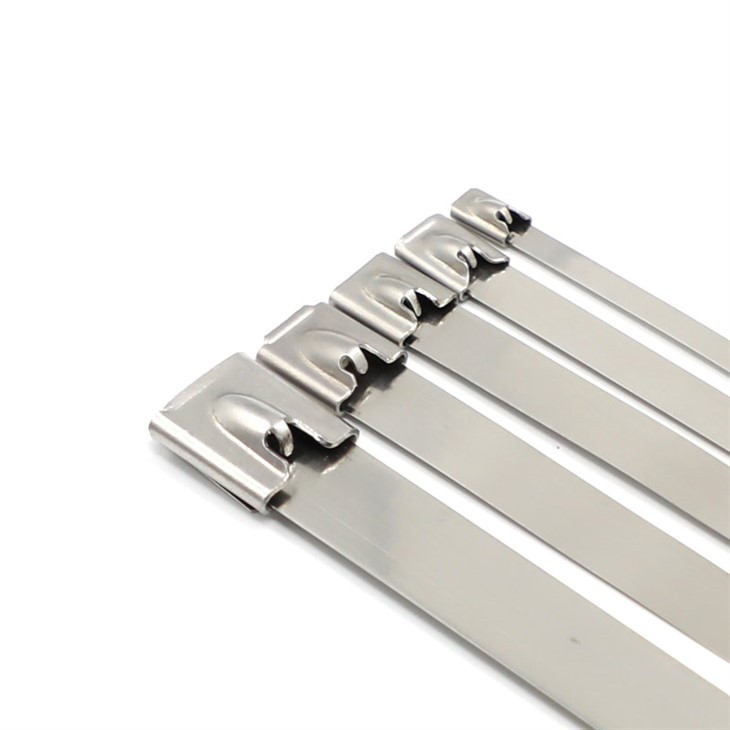
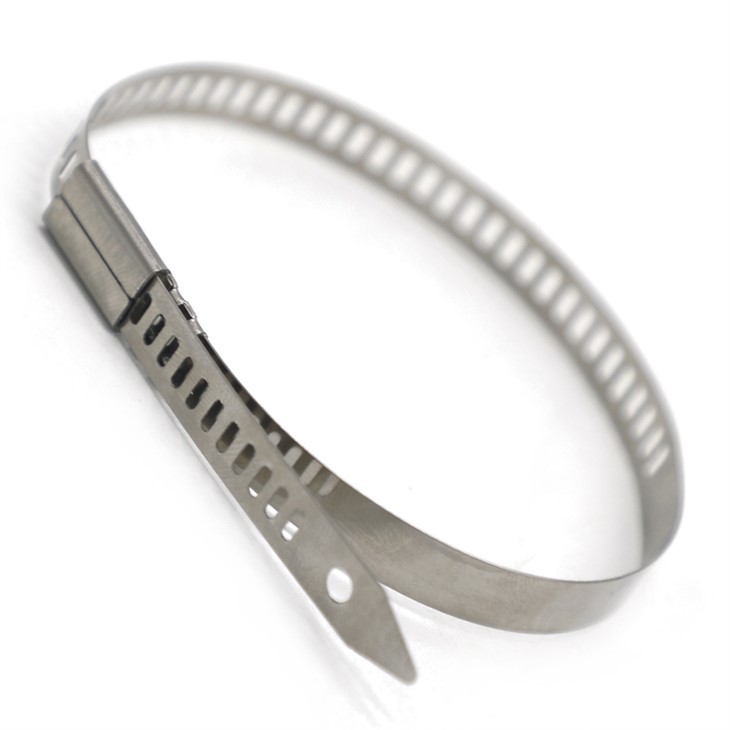
As a supplier of stainless steel ties, I often get asked about the impact strength of these versatile products. Impact strength is a crucial property that determines how well a material can withstand sudden forces or impacts without breaking or deforming. In this blog post, I'll delve into the concept of impact strength in stainless steel ties, exploring what it means, why it matters, and how it can vary based on different factors.
Understanding Impact Strength
Impact strength refers to the ability of a material to absorb energy during an impact and resist fracture. When a stainless steel tie is subjected to a sudden force, such as a collision or a drop, its impact strength determines whether it will remain intact or break. This property is particularly important in applications where the ties may be exposed to rough handling, vibrations, or other dynamic forces.
To measure impact strength, engineers typically use tests such as the Charpy or Izod impact tests. These tests involve striking a sample of the material with a pendulum or a hammer and measuring the energy absorbed during the impact. The higher the energy absorption, the greater the impact strength of the material.
Why Impact Strength Matters in Stainless Steel Ties
Stainless steel ties are used in a wide range of applications, from securing cables and wires to fastening pipes and conduits. In many of these applications, the ties may be exposed to various types of impacts, either during installation or in normal use. For example, in industrial settings, ties may be accidentally hit by tools or equipment, while in outdoor applications, they may be subjected to impacts from falling objects or debris.
A high impact strength is essential for ensuring the reliability and durability of stainless steel ties. Ties with low impact strength are more likely to break or fail under impact, which can lead to safety hazards, equipment damage, and costly downtime. On the other hand, ties with high impact strength can withstand sudden forces and continue to perform their function effectively, providing long-term stability and security.
Factors Affecting the Impact Strength of Stainless Steel Ties
The impact strength of stainless steel ties can be influenced by several factors, including the type of stainless steel used, the manufacturing process, and the design of the tie.
Type of Stainless Steel
The choice of stainless steel grade plays a significant role in determining the impact strength of the ties. Different grades of stainless steel have different chemical compositions and mechanical properties, which can affect their ability to absorb energy during an impact. For example, austenitic stainless steels, such as 304 and 316, are known for their high ductility and toughness, which makes them suitable for applications where impact resistance is important. Ferritic and martensitic stainless steels, on the other hand, are generally less ductile and more brittle, and may have lower impact strength.
Manufacturing Process
The manufacturing process used to produce the stainless steel ties can also affect their impact strength. Ties that are formed through cold working, such as bending or stamping, may have higher impact strength than those that are formed through hot working, as cold working can increase the hardness and toughness of the material. Additionally, the quality of the manufacturing process, including the precision of the forming operations and the heat treatment, can also have an impact on the final properties of the ties.
Design of the Tie
The design of the stainless steel tie can also influence its impact strength. Ties with a thicker cross-section or a more robust design are generally more resistant to impacts than those with a thinner or more delicate design. Additionally, the shape and geometry of the tie can affect how it distributes the impact force, which can also impact its ability to withstand the impact.
Measuring and Ensuring High Impact Strength
As a supplier of stainless steel ties, we understand the importance of providing products with high impact strength. To ensure the quality and performance of our ties, we use advanced manufacturing processes and strict quality control measures.
We carefully select the stainless steel grades based on their mechanical properties and suitability for the intended applications. Our manufacturing processes are designed to optimize the impact strength of the ties, including cold working and heat treatment to enhance the hardness and toughness of the material.
In addition to using high-quality materials and advanced manufacturing processes, we also conduct rigorous testing on our ties to ensure that they meet or exceed the industry standards for impact strength. We use a variety of testing methods, including Charpy and Izod impact tests, to measure the energy absorption of the ties and verify their ability to withstand sudden forces.
Applications of High-Impact Stainless Steel Ties
High-impact stainless steel ties are suitable for a wide range of applications where reliability and durability are essential. Some of the common applications include:
Electrical and Telecommunications
In the electrical and telecommunications industries, stainless steel ties are used to secure cables and wires in place. High-impact ties are particularly important in these applications, as they can withstand the vibrations and movements associated with the operation of electrical equipment, ensuring that the cables remain securely fastened.
Industrial and Manufacturing
In industrial and manufacturing settings, stainless steel ties are used to fasten pipes, conduits, and other equipment. High-impact ties can withstand the rough handling and impacts that are common in these environments, providing long-term stability and security.
Outdoor and Marine Applications
In outdoor and marine applications, stainless steel ties are exposed to harsh environmental conditions, including saltwater, UV radiation, and extreme temperatures. High-impact ties are resistant to corrosion and can withstand the impacts from waves, debris, and other environmental factors, making them ideal for these applications.
Conclusion
In conclusion, the impact strength of stainless steel ties is a crucial property that determines their ability to withstand sudden forces and impacts without breaking or deforming. As a supplier of stainless steel ties, we understand the importance of providing products with high impact strength to ensure the reliability and durability of our customers' applications.
By carefully selecting the stainless steel grades, using advanced manufacturing processes, and conducting rigorous testing, we are able to provide high-quality ties that meet or exceed the industry standards for impact strength. Whether you're looking for Stainless Steel Cable Wire Ties, Metal Cable Ties, or Stainless Steel Cable Ties, we have the products and expertise to meet your needs.
If you're interested in learning more about our stainless steel ties or have any questions about impact strength, please don't hesitate to contact us. We'd be happy to discuss your requirements and provide you with the information and support you need to make an informed decision.
References
- ASM Handbook, Volume 1: Properties and Selection: Irons, Steels, and High-Performance Alloys
- ASTM International Standards for Impact Testing of Metals
- Stainless Steel World Magazine articles on stainless steel properties and applications