

The lifespan of a container lock under normal use is a crucial consideration for businesses and individuals involved in the shipping and storage of goods. As a container lock supplier, I have witnessed firsthand the importance of understanding the factors that influence the longevity of these essential security devices. In this blog post, I will delve into the various elements that determine the lifespan of a container lock, provide insights into typical lifespan expectations, and offer tips on how to extend the life of your container locks.
Factors Affecting the Lifespan of Container Locks
Several factors can impact the lifespan of a container lock. These include the quality of the materials used in its construction, the frequency of use, the environmental conditions in which it operates, and the level of maintenance it receives.
Material Quality
The quality of the materials used in the manufacturing of a container lock is perhaps the most significant factor affecting its lifespan. High-quality locks are typically made from durable materials such as hardened steel, which can withstand the rigors of regular use and resist corrosion. Cheaper locks, on the other hand, may be made from lower-grade materials that are more prone to wear and tear, reducing their lifespan significantly.
Frequency of Use
The more frequently a container lock is used, the shorter its lifespan is likely to be. Locks that are opened and closed multiple times a day will experience more wear and tear than those that are used less frequently. This is particularly true for locks that are subjected to heavy loads or rough handling, as these conditions can cause additional stress on the lock mechanism.
Environmental Conditions
The environmental conditions in which a container lock operates can also have a significant impact on its lifespan. Locks that are exposed to harsh weather conditions, such as extreme heat, cold, humidity, or saltwater, are more likely to corrode and rust over time. Additionally, locks that are installed in areas with high levels of dust, dirt, or debris may become clogged or jammed, reducing their effectiveness and lifespan.
Maintenance
Proper maintenance is essential for extending the lifespan of a container lock. Regular cleaning, lubrication, and inspection can help to prevent corrosion, rust, and other forms of damage. It is also important to replace any worn or damaged parts promptly to ensure that the lock continues to function properly.
Typical Lifespan Expectations
The lifespan of a container lock can vary widely depending on the factors discussed above. In general, a high-quality container lock that is used under normal conditions and receives regular maintenance can last anywhere from 5 to 10 years. However, locks that are subjected to more extreme conditions or heavy use may need to be replaced more frequently.
Standard Container Locks
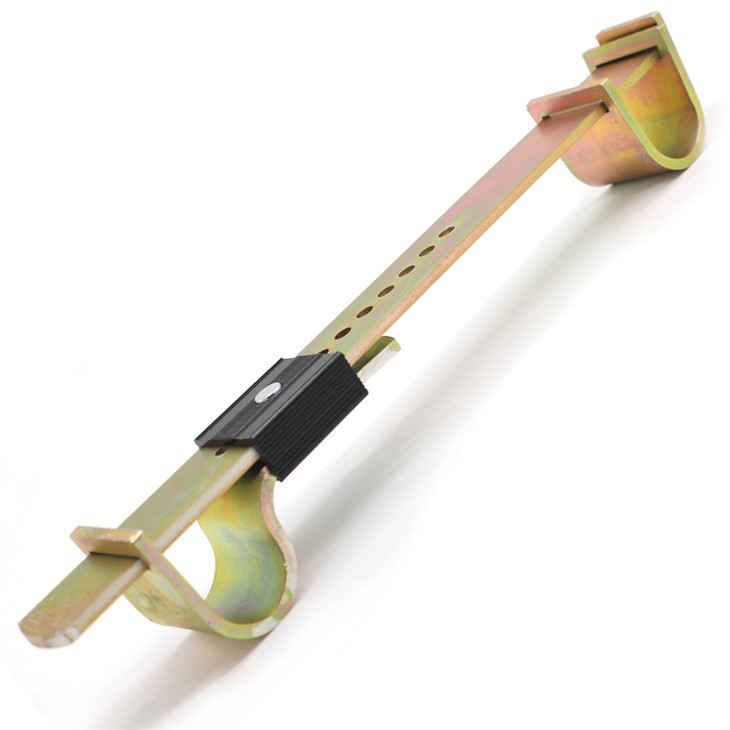
Standard container locks, such as Container Security Lock, are designed for general-purpose use and are typically made from high-quality materials. These locks can last for several years under normal conditions, but their lifespan may be reduced if they are exposed to harsh environments or heavy use.
Adjustable Container Locks
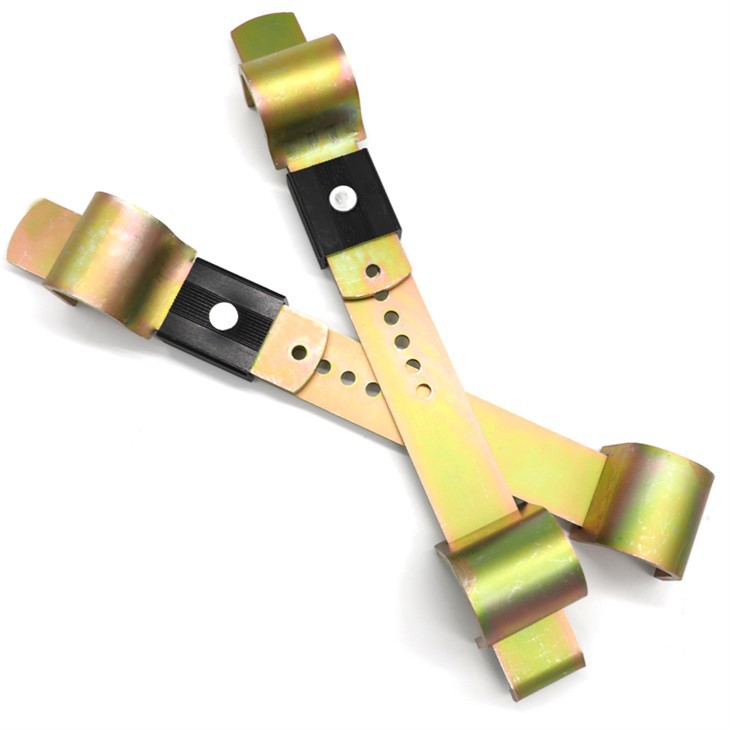
Adjustable Container Locks are designed to fit a variety of container sizes and are often used in situations where flexibility is required. These locks may have a slightly shorter lifespan than standard container locks due to their more complex design and the additional stress placed on the adjustment mechanism.
Trailer Container Locks
Trailer Container Locks are specifically designed for use on trailers and are typically subjected to more vibration and movement than standard container locks. As a result, these locks may need to be replaced more frequently, especially if they are used on rough roads or in harsh weather conditions.
Tips for Extending the Lifespan of Your Container Locks
While the lifespan of a container lock is ultimately determined by a variety of factors, there are several steps you can take to extend its life and ensure that it continues to provide reliable security for your containers.
Choose High-Quality Locks
Investing in high-quality container locks is one of the best ways to ensure that they last as long as possible. Look for locks that are made from durable materials, such as hardened steel, and that are designed to withstand the specific conditions in which they will be used.
Follow Proper Installation Procedures
Proper installation is essential for the proper functioning and longevity of a container lock. Make sure that the lock is installed correctly and that all of the components are tightened securely. Improper installation can cause the lock to malfunction or become damaged, reducing its lifespan.
Perform Regular Maintenance
Regular maintenance is key to extending the lifespan of a container lock. Clean the lock regularly to remove dirt, dust, and debris, and lubricate the moving parts to prevent corrosion and rust. Inspect the lock periodically for signs of wear or damage, and replace any worn or damaged parts promptly.
Store Locks Properly
When not in use, store your container locks in a dry, protected area to prevent corrosion and rust. Avoid storing locks in areas where they are exposed to extreme temperatures, humidity, or saltwater.
Train Employees on Proper Use
If your employees are responsible for using the container locks, make sure that they are trained on proper use and maintenance procedures. This can help to prevent damage to the locks and ensure that they are used correctly, extending their lifespan.
Conclusion
The lifespan of a container lock under normal use can vary depending on a variety of factors, including the quality of the materials, the frequency of use, the environmental conditions, and the level of maintenance. By choosing high-quality locks, following proper installation procedures, performing regular maintenance, storing locks properly, and training employees on proper use, you can extend the lifespan of your container locks and ensure that they continue to provide reliable security for your containers.
If you are in the market for container locks or have any questions about the lifespan of our products, please do not hesitate to contact us. Our team of experts is always available to assist you with your container lock needs and to provide you with the information and support you need to make an informed decision. We look forward to the opportunity to work with you and to help you find the perfect container locks for your specific requirements.
References
- "Container Lock Maintenance Guide," Industry Standard Publications
- "Factors Affecting the Lifespan of Security Devices," Security Journal