

In the complex and dynamic world of global trade and logistics, the security of goods during transit is of paramount importance. One often-overlooked yet crucial component in safeguarding shipments from tampering is the cable seal. As a leading cable seal supplier, I've witnessed firsthand the significant role these small yet powerful devices play in ensuring the integrity of cargo throughout its journey.
Understanding Cable Seals
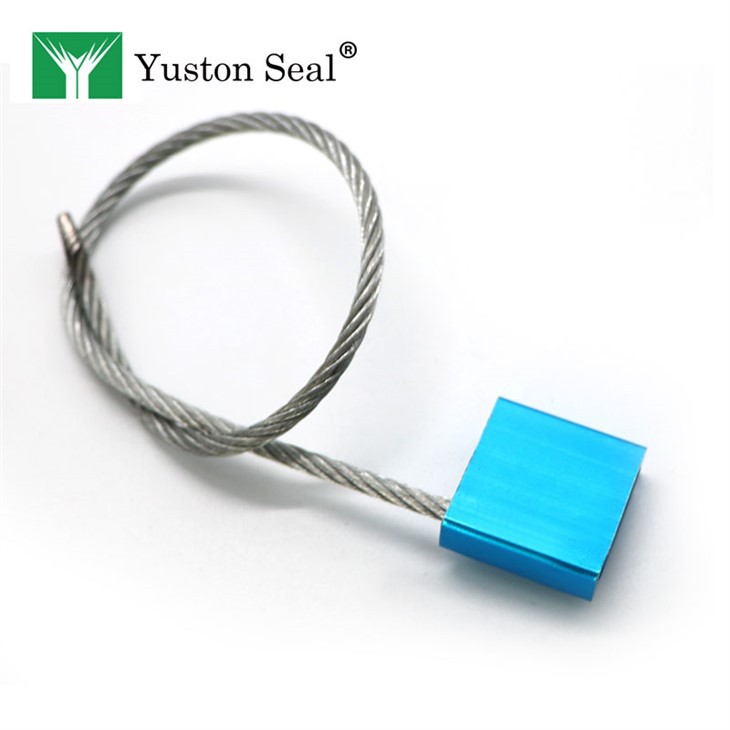
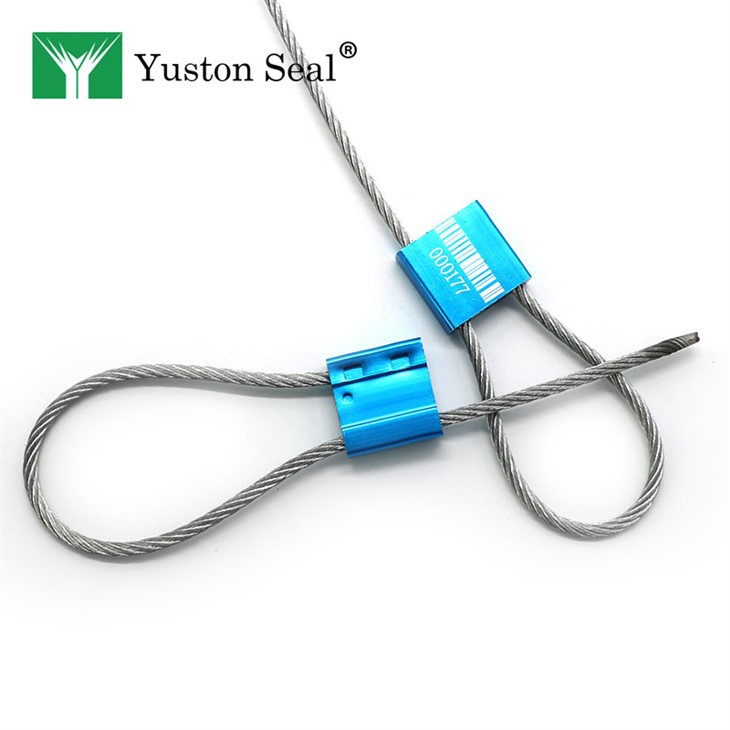
Cable seals are mechanical devices designed to provide a visible indication of tampering. They consist of a flexible cable, typically made of materials like steel or other durable alloys, and a locking mechanism. Once applied, the cable cannot be removed without breaking the seal, leaving clear evidence if someone attempts to access the sealed container, trailer, or equipment.
There are different types of cable seals available in the market, each with its unique features and applications. For instance, Onetime Metal Cable Seals are designed for single-use applications. These seals are made of high-quality metal, providing excellent security and durability. Once they are broken, they cannot be reused, which makes them ideal for applications where a high level of security is required, such as in the transportation of high-value goods or sensitive materials.
Steel Cable Seal is another popular option. Made of strong steel cables, these seals offer robust protection against tampering. They are often used in heavy-duty applications, such as sealing shipping containers or large trailers. The steel cable provides high tensile strength, making it difficult to cut or break without leaving obvious signs of interference.
Adjustable Cable Seals offer flexibility in terms of length. They can be adjusted to fit different sizes of containers or equipment, making them a versatile choice for various applications. These seals are easy to install and provide a reliable way to secure goods during transit.
The Role of Cable Seals in Preventing Tampering
Deterrence
One of the primary roles of cable seals is to act as a deterrent. The presence of a visible seal on a container or trailer sends a clear message to potential tamperers that the contents are being monitored. Knowing that any attempt to access the goods will be evident upon inspection makes them think twice before attempting to tamper with the shipment. This psychological deterrent can significantly reduce the likelihood of theft or unauthorized access.
Visible Evidence of Tampering
Cable seals provide a clear and visible indication of tampering. If a seal is found to be broken or damaged during inspection, it immediately alerts the relevant parties that the shipment may have been compromised. This allows for quick action to be taken, such as investigating the incident, notifying the authorities, or taking appropriate measures to protect the remaining goods. The ability to detect tampering at an early stage is crucial in minimizing losses and ensuring the safety of the cargo.
Chain of Custody
Cable seals play an important role in maintaining the chain of custody. Each seal is assigned a unique identification number, which is recorded along with details of the shipment, such as the date, time, and location of sealing. This information is used to track the movement of the goods and verify their integrity at each stage of the journey. By providing a clear record of who had access to the shipment and when, cable seals help to establish accountability and prevent disputes.
Compliance with Regulations
In many industries, there are strict regulations regarding the security of goods during transit. Cable seals are often required to meet specific standards and certifications to ensure compliance. For example, in the transportation of hazardous materials, the use of approved cable seals is mandatory to prevent unauthorized access and ensure the safety of the public and the environment. By using high-quality cable seals that meet these requirements, companies can avoid costly fines and penalties and demonstrate their commitment to safety and security.
Real-World Applications
Cable seals are used in a wide range of industries and applications. In the shipping industry, they are used to seal shipping containers, ensuring the security of goods during long-distance transportation. In the logistics and warehousing sector, cable seals are used to secure trailers, trucks, and storage facilities, protecting valuable inventory from theft and tampering.
In the food and beverage industry, cable seals are used to seal food containers and transport vehicles, ensuring the safety and integrity of the products. In the pharmaceutical industry, they are used to seal medical supplies and drugs, preventing contamination and ensuring the quality of the products.
Choosing the Right Cable Seal
When choosing a cable seal, several factors need to be considered. Firstly, the level of security required is crucial. For high-value or sensitive goods, a more robust and tamper-evident seal may be necessary. The length and thickness of the cable also need to be considered, depending on the size and type of the container or equipment to be sealed.
Secondly, the ease of installation and removal is important. Seals that are difficult to install or remove can cause delays and increase the risk of damage to the seal or the container. Thirdly, the cost of the seal should be taken into account. While it's important to choose a high-quality seal, it's also necessary to ensure that it fits within the budget.
Conclusion
In conclusion, cable seals play a vital role in preventing tampering during transit. They act as a deterrent, provide visible evidence of tampering, maintain the chain of custody, and ensure compliance with regulations. As a cable seal supplier, I understand the importance of providing high-quality products that meet the diverse needs of our customers.
If you're looking for reliable cable seals to protect your shipments, we're here to help. Our range of Onetime Metal Cable Seals, Steel Cable Seal, and Adjustable Cable Seals offers a variety of options to suit different applications and security requirements. Contact us today to discuss your specific needs and explore how our cable seals can enhance the security of your goods during transit.
References
- American Society for Testing and Materials (ASTM). (20XX). Standard specifications for cable seals.
- International Organization for Standardization (ISO). (20XX). Guidelines for the use of security seals in transportation.
- Transportation Security Administration (TSA). (20XX). Security requirements for cargo transportation.