

Shear strength is a critical mechanical property when it comes to cable seals. As a cable seal supplier, understanding and communicating the shear strength of our products is essential for our customers who rely on these seals for various security and containment applications.
Understanding Shear Strength
Shear strength refers to the maximum amount of shear stress that a material can withstand before it fails or breaks. In the context of cable seals, shear stress occurs when a force is applied parallel to the cross - section of the seal. For example, if a cable seal is used to secure a container door and someone tries to cut or pry the seal open by applying a sideways force, the seal will experience shear stress.
The shear strength of a cable seal is determined by several factors, including the material of the seal, its design, and the manufacturing process. Different materials have different inherent shear strengths. For instance, a cable seal made of high - strength steel will generally have a much higher shear strength compared to one made of plastic.
Material and Shear Strength
Steel Cable Seals
Steel is a popular choice for cable seals due to its high strength and durability. High - carbon steel cables can offer excellent shear resistance. The carbon content in the steel affects its hardness and strength. A cable seal made of 400 - series stainless steel, for example, can withstand significant shear forces. These seals are often used in high - security applications such as securing shipping containers, where the risk of tampering is high.
Plastic Cable Seals
Plastic cable seals are more commonly used in less - critical applications. While they are generally less expensive and lighter than steel seals, their shear strength is also lower. Polycarbonate and nylon are two common plastics used in cable seal manufacturing. Polycarbonate offers good impact resistance and a moderate level of shear strength. Nylon, on the other hand, is known for its flexibility and abrasion resistance but may have a lower shear strength compared to polycarbonate.
Design and Shear Strength
The design of a cable seal also plays a crucial role in determining its shear strength. A well - designed cable seal will distribute the shear stress evenly across its cross - section. For example, a cable seal with a thick and uniform cable diameter is likely to have a higher shear strength than one with a thin or uneven cable.
Some cable seals are designed with additional features to enhance their shear strength. For instance, a seal may have a reinforced locking mechanism. This can prevent the seal from being easily sheared at the locking point. Another design consideration is the shape of the seal body. A seal with a streamlined and compact shape may be less likely to catch on external objects and experience unnecessary shear forces.
Measuring Shear Strength
Measuring the shear strength of a cable seal is typically done through laboratory testing. A sample of the cable seal is placed in a testing machine, and a shear force is gradually applied until the seal fails. The maximum force at which the seal breaks is recorded as its shear strength.
It's important to note that the shear strength values provided by manufacturers are often based on ideal laboratory conditions. In real - world applications, factors such as environmental conditions (e.g., temperature, humidity), wear and tear, and the presence of contaminants can affect the actual shear strength of the seal.
Applications and Shear Strength Requirements
Shipping and Logistics
In the shipping and logistics industry, cable seals are used to secure shipping containers. The shear strength requirements for these seals are relatively high. A container traveling across the ocean may be subjected to rough handling, and there is always a risk of tampering. Seals with high shear strength, such as steel cable seals, are preferred in this application. You can find a variety of high - strength cable seals on our Cable Security Seals page.
Utility and Telecommunication
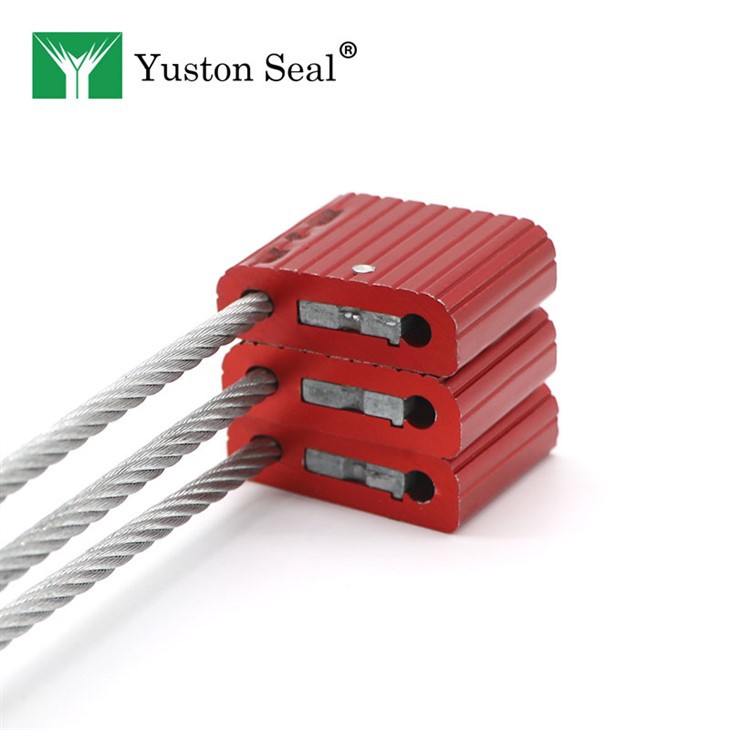
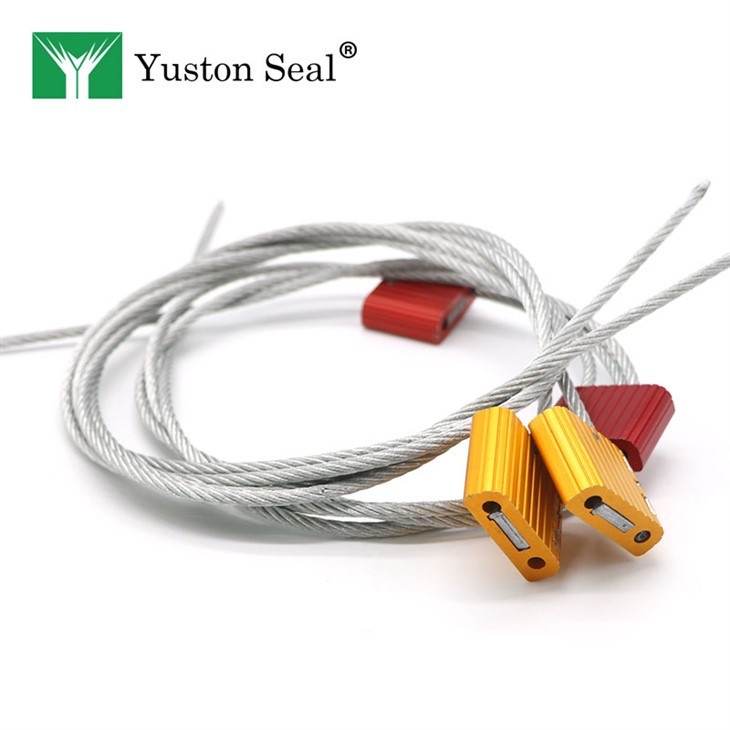
In the utility and telecommunication sectors, cable seals are used to secure equipment and cables. The shear strength requirements in these applications may vary depending on the level of security needed. For less - critical installations, plastic cable seals may be sufficient. However, for high - security areas, steel seals are often used. Our 5.0mm Cable Seal offers a good balance of strength and flexibility for these types of applications.
Retail and Inventory Management
In retail and inventory management, cable seals are used to secure merchandise and inventory. The shear strength requirements are generally lower compared to shipping and logistics. Colored cable seals are often used in these applications for easy identification. You can explore our range of Colored Cable Seals on our website.
Importance of Shear Strength for Our Customers
As a cable seal supplier, we understand that the shear strength of our products is of utmost importance to our customers. A cable seal with insufficient shear strength may fail to provide the necessary security, leading to potential losses and safety hazards.
For example, if a shipping container is sealed with a cable seal that has a low shear strength, it may be easily tampered with during transit. This can result in the theft of valuable goods or the introduction of unauthorized items into the container. On the other hand, using a cable seal with excessive shear strength may be overkill and increase the cost of the sealing solution.
How We Ensure Shear Strength in Our Products
We take several steps to ensure that our cable seals meet the required shear strength standards. First, we carefully select the materials for our seals. We source high - quality steel and plastics from reputable suppliers. Our quality control team conducts regular material testing to ensure that the materials meet our specifications.
During the manufacturing process, we use advanced machinery and techniques to ensure consistent quality. Our production lines are monitored closely to ensure that each cable seal is manufactured to the same high standard. After production, we conduct random sampling and testing of the cable seals to verify their shear strength.
Contact Us for Your Cable Seal Needs
If you are in the market for cable seals and need to understand the shear strength requirements for your specific application, we are here to help. Our team of experts can provide you with detailed information about the shear strength of our different cable seal products. We can also assist you in selecting the right seal for your needs. Whether you need high - strength steel seals for shipping containers or colored plastic seals for retail applications, we have a wide range of options available.
Don't hesitate to reach out to us to start a discussion about your cable seal requirements. We look forward to working with you to provide the best sealing solutions for your business.
References
- ASTM International. (Year). Standard Test Methods for Shear Testing of Adhesives in Single - Lap - Joint by Tension Loading.
- ASME. (Year). Boiler and Pressure Vessel Code. Section VIII, Division 1.
- Manufacturer's product data sheets for cable seals.