

Shear strength is a critical mechanical property that significantly influences the performance and reliability of plastic meter seals. As a supplier of Plastic Meter Seals, I am well - versed in the importance of understanding shear strength in the context of these essential security devices. In this blog, we will delve into what shear strength means for plastic meter seals, its influencing factors, and its practical implications.
Understanding Shear Strength
Shear strength refers to the maximum amount of shear stress that a material can withstand before it fails or deforms. In the case of plastic meter seals, shear stress occurs when two parts of the seal are forced to slide past each other in opposite directions. This can happen during installation, normal use, or when someone attempts to tamper with the seal.
Let's take a simple example to illustrate shear stress. Imagine you have a plastic meter seal that is attached to a meter. If someone tries to twist or cut the seal using a tool, they are applying a shear force. The ability of the seal to resist this force without breaking is its shear strength.
Importance of Shear Strength in Plastic Meter Seals
Security
One of the primary functions of plastic meter seals is to provide security and prevent unauthorized access to meters. A seal with high shear strength is more resistant to tampering. For instance, if a malicious individual tries to cut or pry open a meter seal, a seal with high shear strength will be more difficult to break. This gives consumers and utility companies greater confidence that the meter has not been tampered with, ensuring the accuracy of energy consumption readings.
Durability
In addition to security, shear strength also affects the durability of plastic meter seals. During normal installation and use, seals may be subjected to various mechanical forces. For example, when a seal is being attached to a meter, there may be some twisting or bending. A seal with sufficient shear strength can withstand these forces without getting damaged, ensuring a long - term and reliable performance.
Factors Affecting the Shear Strength of Plastic Meter Seals
Material Composition
The type of plastic used in the meter seal is a fundamental factor influencing its shear strength. Different plastics have different molecular structures and mechanical properties. For example, polycarbonate is known for its high impact and shear strength. It has a strong molecular chain structure that can resist the sliding of molecules under shear stress. On the other hand, some softer plastics may have lower shear strength. As a supplier, we carefully select the plastic materials based on the required shear strength for different applications.
Manufacturing Process
The manufacturing process also plays a crucial role in determining the shear strength of plastic meter seals. Injection molding is a common method for producing plastic meter seals. The quality of the injection molding process, including factors such as temperature, pressure, and cooling rate, can affect the internal structure of the seal. If the temperature during injection molding is too high, the plastic may degrade, reducing its shear strength. Conversely, if the cooling rate is too fast, internal stresses may develop, which can also weaken the seal.
Design
The design of the plastic meter seal can impact its shear strength. For example, the thickness of the seal, the shape of the locking mechanism, and the presence of reinforcing elements all matter. A thicker seal generally has higher shear strength because it has more material to resist the shear force. Similarly, a well - designed locking mechanism can distribute the shear stress more evenly across the seal, enhancing its overall strength.
Testing the Shear Strength of Plastic Meter Seals
To ensure the quality and performance of our plastic meter seals, we conduct rigorous shear strength testing. There are several standard testing methods available. One common method is the single - lap shear test. In this test, two samples of the plastic meter seal are bonded together in a lap joint configuration. A shear force is then applied to the joint until it fails. The maximum force at failure is recorded, and the shear strength is calculated by dividing this force by the area of the bonded surface.
Another method is the punch - shear test. In this test, a punch is used to apply a shear force to a small area of the plastic meter seal. The force required to punch through the seal is measured, and this can be used to evaluate the shear strength of the material.
Practical Applications and Considerations
Utility Industry
In the utility industry, plastic meter seals are widely used to secure electricity, water, and gas meters. The shear strength requirements for these seals can vary depending on the specific application. For example, Electric Meter Seal used in high - security areas may require a higher shear strength to prevent tampering. Utility companies often have strict standards for the shear strength of the seals they use to ensure the integrity of their metering systems.
Transportation and Logistics
Plastic meter seals are also used in transportation and logistics to secure containers and trucks. In this context, the seals may be subjected to vibrations, impacts, and other mechanical forces during transit. A seal with appropriate shear strength can withstand these forces and prevent unauthorized access to the cargo. Tamper Proof Meter Seals with high shear strength are particularly important in this industry to ensure the security of goods.
Conclusion
In conclusion, shear strength is a vital property for plastic meter seals. It affects both the security and durability of these seals, making it a key consideration for utility companies, transportation providers, and other users. As a supplier of Plastic Meter Seals, we are committed to producing high - quality seals with optimal shear strength. We achieve this through careful material selection, precise manufacturing processes, and thorough testing.
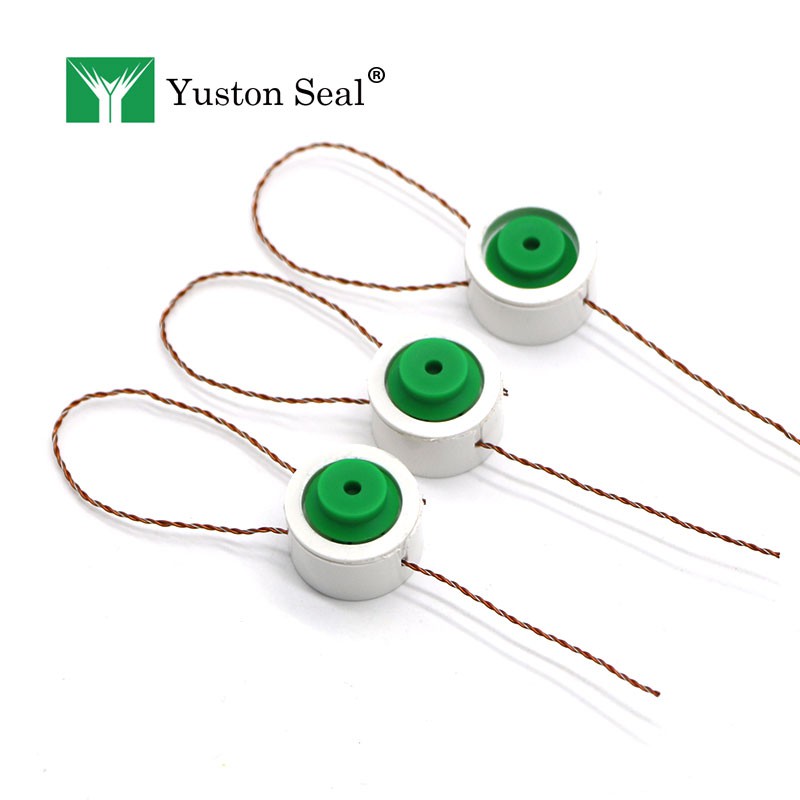
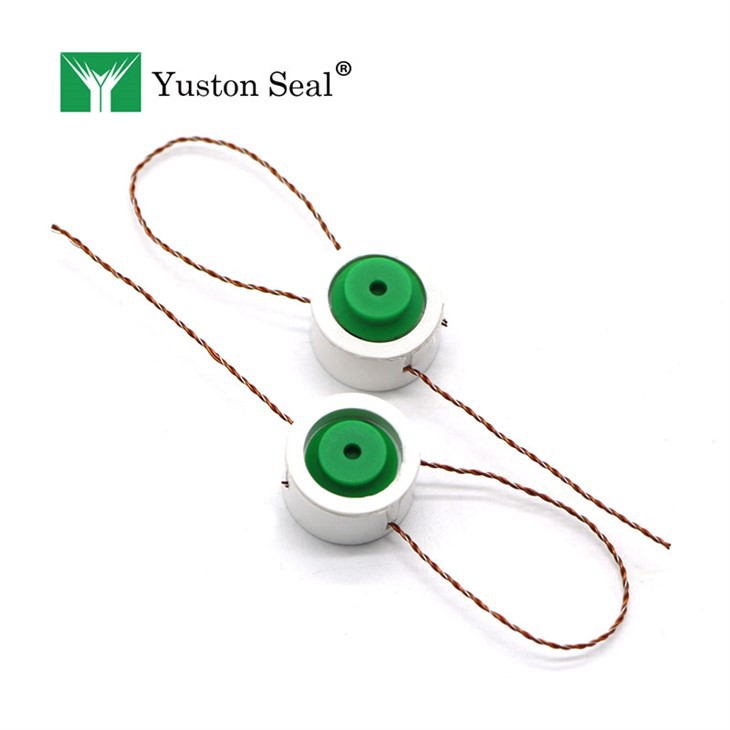
If you are in need of plastic meter seals and want to discuss your specific requirements regarding shear strength or other properties, please feel free to contact us. We are more than happy to assist you in finding the most suitable seals for your applications.
References
- Callister, W. D., & Rethwisch, D. G. (2014). Materials Science and Engineering: An Introduction. Wiley.
- ASTM International. (2019). ASTM D1002 - 10(2019) Standard Test Method for Apparent Shear Strength of Single - Lap - Joint Adhesive Bonds by Tension Loading (Metal - to - Metal).