

What is the standard length of a nylon cable tie? Well, that's a question I get asked a lot as a nylon cable tie supplier. In this blog post, I'll break down the common lengths, why they matter, and how to choose the right one for your needs.
First off, let's talk about what nylon cable ties are. They're those handy little plastic strips that you use to bundle up wires, cables, or just about anything you need to keep organized. They're made from nylon, which is a strong and durable material that can withstand a fair amount of wear and tear. You've probably seen them in all sorts of places, from your home electronics to industrial settings.
Now, when it comes to the standard lengths, there isn't really one-size-fits-all answer. But there are some common lengths that are widely used in the industry. The most typical lengths range from 4 inches (100mm) to 36 inches (914mm). Let's take a closer look at each of these lengths and where they're commonly used.
4 - 6 inches (100 - 150mm)
These short cable ties are great for small jobs. If you're organizing the cords behind your TV or computer, these are the ones you'll want. They're also handy for bundling up small wires in a control panel or a piece of equipment. The short length makes them easy to handle and they don't take up much space. For example, if you have a bunch of USB cables that are all tangled up, a 4 - inch cable tie can quickly get them in order. You can find these short ties in a variety of colors, too, which can be useful for color - coding your cables. Check out White Plastic Cable Ties for some options in this length range.
8 - 12 inches (200 - 300mm)
This is a very popular length range. It's versatile enough to be used in many different applications. In an automotive setting, you might use these to secure wiring harnesses. They're also commonly used in home improvement projects, like organizing the plumbing pipes in your basement or the electrical wires in your garage. If you're working on a DIY project that involves a lot of cables, these medium - length ties will likely be your go - to. You can easily wrap them around a group of cables and get a tight, secure hold. Plastic Cable Tie offers a good selection of ties in this length.
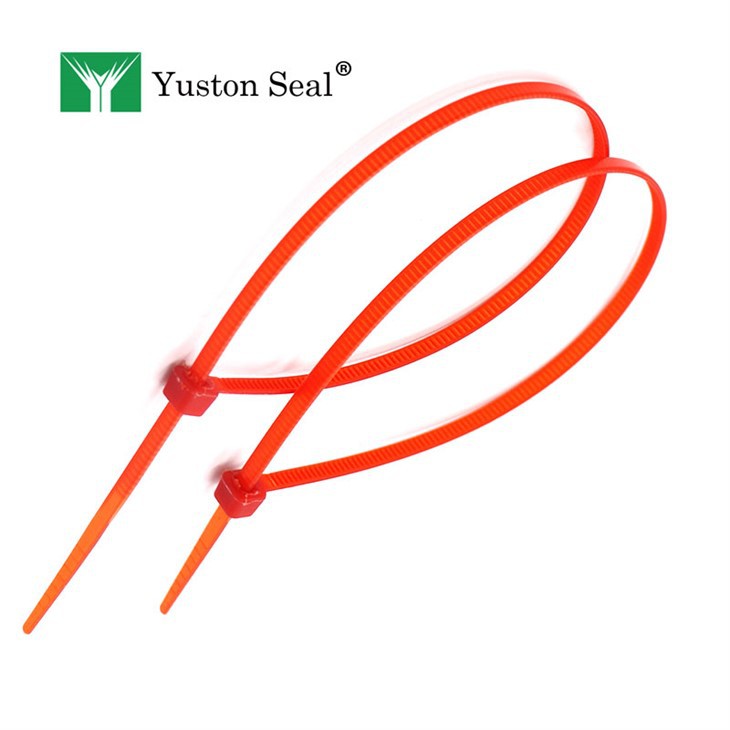
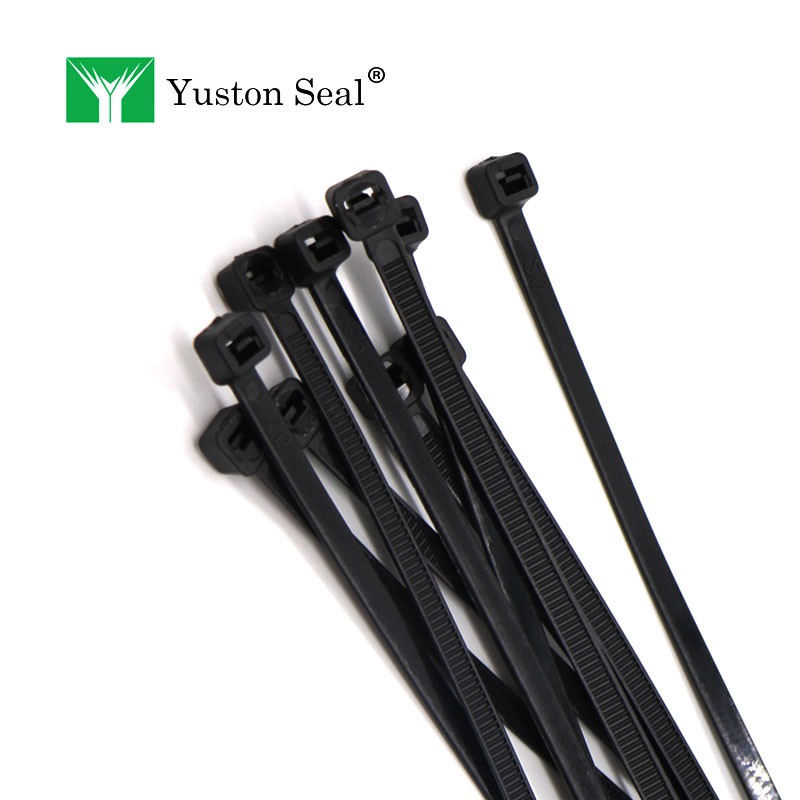
14 - 24 inches (350 - 600mm)
These longer cable ties are used when you need to bundle a large number of cables or when you're working with larger objects. In an industrial setting, they might be used to secure large bundles of power cables. They're also useful for outdoor applications, like securing a fence or a netting. The extra length allows you to wrap around bigger items and still have enough to lock the tie securely. For example, if you're installing a solar panel system and have a lot of thick cables to manage, a 24 - inch cable tie will do the job nicely.
36 inches (914mm)
The 36 - inch cable tie is the heavy - hitter in the cable tie world. It's used for very large bundles or in situations where you need a lot of flexibility in wrapping. In a data center, for instance, where there are miles of cables running through racks, these long ties can be used to manage the large bundles that come together. They're also used in construction projects to secure large pipes or structural elements. Self Locking Plastic Ties sometimes come in this extra - long length.
Factors to Consider When Choosing a Length
- Number of Cables: If you're only bundling a few cables, a shorter tie will do. But if you have a large bundle, you'll need a longer one.
- Size of the Objects: For small objects, short ties are sufficient. Larger objects require longer ties to wrap around them.
- Application Environment: In a tight space, a short tie might be easier to work with. In an open area with large bundles, a long tie is more appropriate.
Custom Lengths
Sometimes, the standard lengths just won't cut it. That's where custom - length nylon cable ties come in. As a supplier, I often get requests for custom lengths. Maybe a customer is working on a unique project and needs a cable tie that's exactly 18.5 inches long. We can usually accommodate these requests. It might take a little longer to produce, but it's worth it for those special applications.
Quality and Strength
No matter what length of cable tie you choose, quality is important. A good nylon cable tie should be strong enough to hold the load it's intended for. You don't want it to break or come loose over time. Look for ties that are made from high - quality nylon and have a good locking mechanism. The locking mechanism is what keeps the tie tight once you've wrapped it around your cables.
Conclusion
So, to answer the question "What is the standard length of a nylon cable tie?", there are several common lengths that are widely used, but the right length depends on your specific needs. Whether you're a DIY enthusiast, an industrial worker, or someone just looking to organize their home, there's a nylon cable tie length out there for you.
If you're in the market for nylon cable ties, I'd love to help you find the right ones for your project. Whether you need standard lengths or custom - made ties, we've got you covered. Just reach out to me, and we can start discussing your requirements and get you the best cable ties at a great price.
References
- Industry standards for nylon cable ties
- Personal experience as a nylon cable tie supplier