

As a supplier of truck metal seals, I've been deeply involved in the industry for quite some time. One question that frequently arises is, "What is the hardness of a typical truck metal seal?" In this blog, I'll delve into this topic, exploring the concept of hardness, its significance in truck metal seals, and the factors that influence it.
Understanding Hardness in Materials
Hardness is a fundamental property of materials, referring to their resistance to local deformation, such as indentation, scratching, or abrasion. In the context of truck metal seals, hardness plays a crucial role in determining their performance and durability. There are several methods to measure hardness, with the most common ones being the Brinell, Rockwell, and Vickers hardness tests.
The Brinell hardness test involves pressing a hard steel or carbide ball of a specified diameter into the material under a defined load for a set period. The diameter of the resulting indentation is then measured, and the Brinell hardness number (BHN) is calculated. This method is suitable for testing relatively large and thick specimens.
The Rockwell hardness test, on the other hand, measures the depth of penetration of an indenter under a minor load followed by a major load. The difference in depth is used to determine the Rockwell hardness number (HR). There are different scales for the Rockwell test, each suitable for different materials and hardness ranges.
The Vickers hardness test uses a square-based pyramid indenter to make an indentation in the material. The diagonal length of the indentation is measured, and the Vickers hardness number (HV) is calculated. This method is highly accurate and can be used for a wide range of materials.
Hardness of Typical Truck Metal Seals
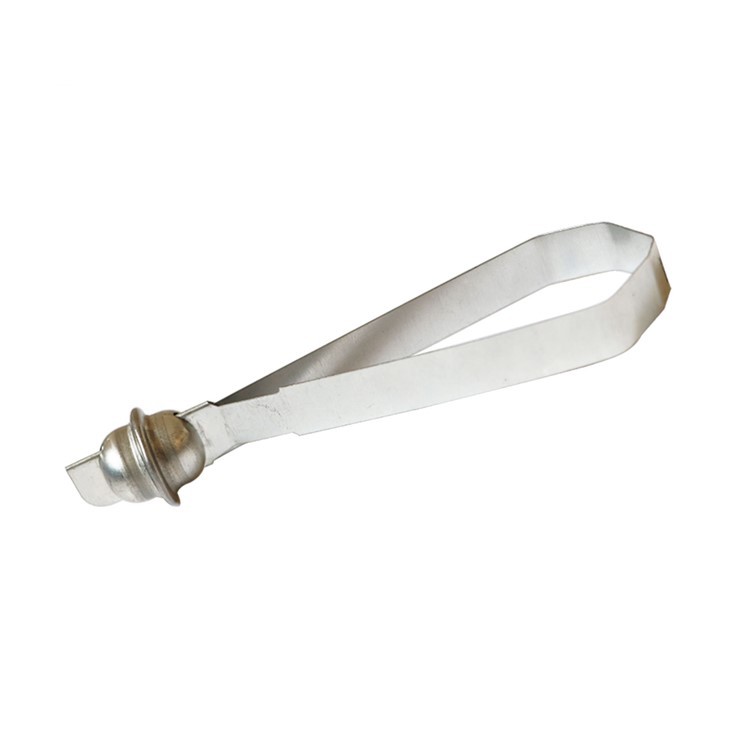
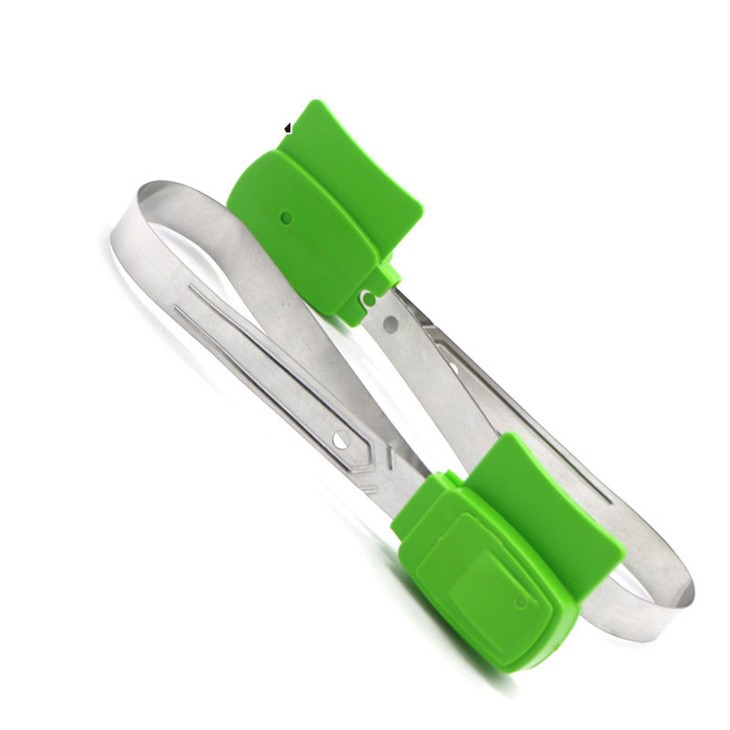
Truck metal seals are typically made from various metals, including steel, stainless steel, and aluminum. The hardness of these seals can vary depending on the specific alloy used and the manufacturing process.
Steel is one of the most commonly used materials for truck metal seals due to its high strength and durability. The hardness of steel seals can range from around 150 to 600 BHN, depending on the type of steel and the heat treatment it has undergone. For example, mild steel, which is relatively soft, may have a hardness of around 150 - 200 BHN, while high - carbon steel or alloy steel that has been quenched and tempered can have a hardness of 500 - 600 BHN.
Stainless steel is another popular choice for truck metal seals, especially in applications where corrosion resistance is required. The hardness of stainless steel seals can vary from 180 to 300 BHN for austenitic stainless steels (such as 304 and 316), which are relatively soft and ductile. Martensitic stainless steels, on the other hand, can be heat - treated to achieve higher hardness values, typically in the range of 300 - 500 BHN.
Aluminum is a lightweight alternative for truck metal seals. It is often used in applications where weight reduction is a priority. The hardness of aluminum seals is generally lower than that of steel or stainless steel, typically ranging from 20 to 100 BHN, depending on the alloy and the temper.
Significance of Hardness in Truck Metal Seals
The hardness of a truck metal seal has several important implications for its performance and functionality.
Resistance to Wear and Tear
Truck metal seals are often subjected to harsh operating conditions, including friction, abrasion, and impact. A seal with appropriate hardness can resist these forces and maintain its integrity over time. For example, a seal with high hardness will be less likely to wear down quickly when in contact with rough surfaces or when exposed to abrasive particles, ensuring a longer service life.
Security and Anti - Tampering
In the context of trucking, metal seals are used to secure cargo and prevent unauthorized access. A seal with the right hardness can be more difficult to tamper with. A hard seal is less likely to be easily cut, bent, or broken, providing an added layer of security for the cargo.
Structural Integrity
The hardness of the seal also affects its ability to maintain its shape and structural integrity under pressure. When a truck is in motion, the seals may be subjected to vibrations and mechanical stresses. A seal with sufficient hardness will be able to withstand these forces without deforming, ensuring a proper seal and preventing any leakage or loss of cargo.
Factors Influencing the Hardness of Truck Metal Seals
Several factors can influence the hardness of truck metal seals.
Alloy Composition
The type and amount of alloying elements in the metal have a significant impact on its hardness. For example, adding carbon to steel increases its hardness and strength. Other alloying elements such as chromium, nickel, and molybdenum can also enhance the hardness and other properties of the metal. In stainless steel, the presence of chromium provides corrosion resistance, while the addition of nickel can improve its ductility and toughness.
Heat Treatment
Heat treatment is a critical process in determining the hardness of metal seals. Processes such as quenching and tempering can significantly increase the hardness of steel and some stainless steels. Quenching involves rapidly cooling the heated metal in a quenching medium, such as oil or water, which causes the formation of a hard martensitic structure. Tempering is then carried out to relieve the internal stresses and improve the toughness of the metal while maintaining a certain level of hardness.
Manufacturing Process
The manufacturing process can also affect the hardness of the seal. For example, cold working, such as rolling or forging, can increase the hardness of the metal by introducing dislocations and strain hardening. Machining operations can also have an impact on the surface hardness of the seal.
Choosing the Right Hardness for Truck Metal Seals
When selecting truck metal seals, it's important to choose the right hardness based on the specific application requirements.
For applications where security is the primary concern, such as sealing high - value cargo or preventing unauthorized access to sensitive areas, a seal with high hardness is recommended. This can provide a greater level of resistance to tampering.
In applications where the seal is likely to be exposed to abrasive environments, a harder seal will be more suitable to withstand wear and tear. However, if the seal needs to be flexible or conform to irregular surfaces, a softer seal may be required.
As a supplier of truck metal seals, I understand the importance of providing the right product for each customer's needs. We offer a wide range of metal seals with different hardness levels to meet various application requirements. Whether you need a Metal Container Seals, Metal Seals For Containers, or Container Metal Strap Seal, we can provide you with high - quality products that are tailored to your specific needs.
If you're interested in purchasing truck metal seals or have any questions about the hardness or other properties of our products, please feel free to contact us. We're always ready to assist you in finding the best solution for your trucking and cargo security needs.
References
- Callister, W. D., & Rethwisch, D. G. (2011). Materials Science and Engineering: An Introduction. Wiley.
- ASM Handbook Committee. (1990). ASM Handbook Volume 8: Mechanical Testing and Evaluation. ASM International.