

In the energy sector, security meter seals play a pivotal role in safeguarding the integrity of utility meters. As a trusted supplier of security meter seals, I am well - versed in the comprehensive testing process that these seals undergo to ensure they meet the highest standards of quality and security.
Initial Material Inspection
The testing process of security meter seals commences with a thorough inspection of the raw materials. For plastic - based seals, the quality of the polymer resin is scrutinized. The resin should possess the right balance of strength, flexibility, and resistance to environmental factors. We check for any impurities in the resin that could potentially compromise the seal's durability. For metal components, such as bolts or wires in some seal designs, we examine the grade of the metal. High - quality metals are essential to prevent corrosion and ensure long - term functionality. This initial inspection is crucial as it lays the foundation for the overall quality of the security meter seal.
Design and Prototype Testing
Once the materials are approved, we move on to the design and prototype phase. Our engineering team creates detailed designs based on the specific requirements of different utility applications. For example, Gas Meter Security Seals need to be able to withstand the unique conditions associated with gas meters, such as exposure to certain gases and pressure variations.
After the design is finalized, prototypes are fabricated. These prototypes are then subjected to a series of tests. One of the primary tests is the mechanical stress test. We apply different levels of force to the prototype to simulate real - world scenarios, such as accidental impacts or attempts at tampering. The seal should be able to maintain its integrity under these stresses without breaking or deforming in a way that would compromise its security function.
Functionality Testing
Functionality testing is a key part of the process. For each type of security meter seal, we test its specific functions. For Gas Meter Tamper Seal, we focus on its ability to clearly indicate any signs of tampering. This may involve using a special marking system on the seal. When the seal is tampered with, the markings are permanently altered, leaving an obvious indication that the meter has been accessed unauthorizedly.
In the case of Electric Meter Box Seal, we test its electrical insulation properties. The seal should not conduct electricity, as this could pose a safety hazard. We also check its ability to prevent dust and moisture from entering the meter box, as these elements can damage the electrical components inside.
Environmental Testing
Security meter seals are exposed to a wide range of environmental conditions. To ensure their reliability, we conduct extensive environmental testing. Temperature testing is a significant part of this. We expose the seals to extreme temperatures, both high and low. For example, in regions with very cold climates, the seals need to remain flexible and functional even at sub - zero temperatures. On the other hand, in hot and humid areas, the seals should not melt or degrade due to the heat.
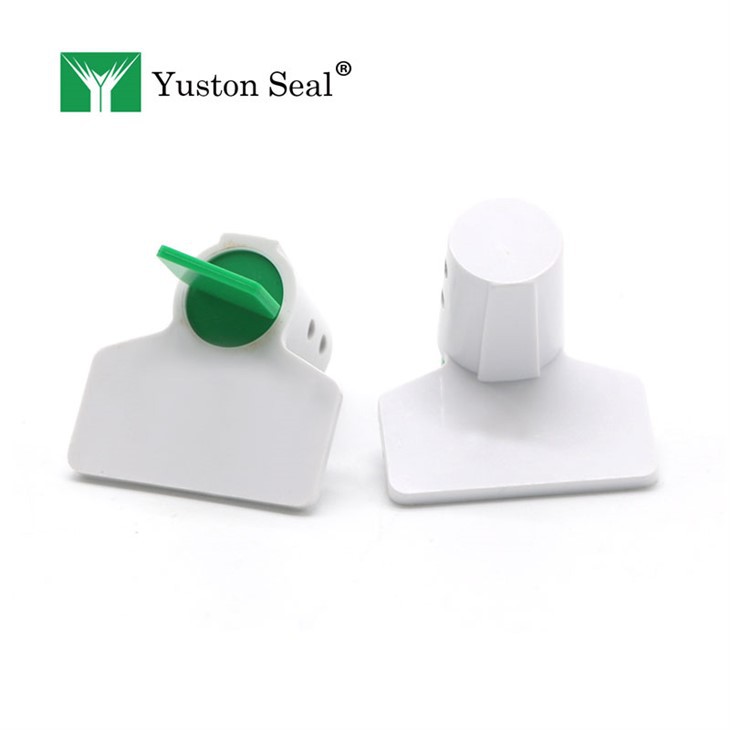
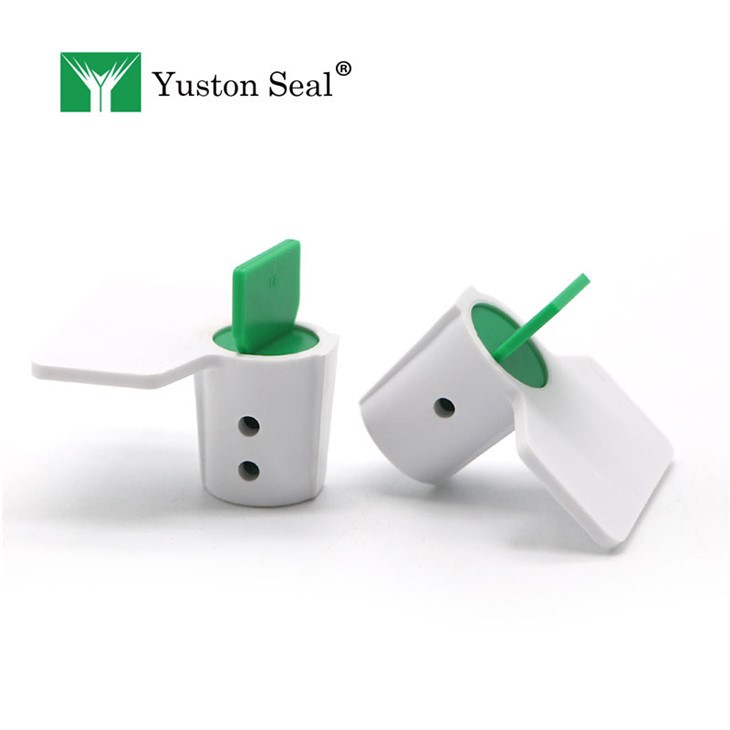
Humidity testing is also crucial. We place the seals in high - humidity chambers for extended periods to see if they develop any signs of mold growth, corrosion, or other forms of degradation. Additionally, we test the seals' resistance to UV radiation, as prolonged exposure to sunlight can cause the materials to deteriorate over time.
Chemical Resistance Testing
Depending on the application, security meter seals may come into contact with various chemicals. For gas meters, they may be exposed to certain gases or cleaning agents. We conduct chemical resistance testing to ensure that the seals can withstand these chemical exposures without losing their integrity. We immerse the seals in different chemical solutions for a specified period and then evaluate their physical and mechanical properties. Any signs of swelling, cracking, or loss of strength are carefully noted.
Tamper - Resistance Testing
Tamper - resistance is one of the most important aspects of security meter seals. We simulate various tampering techniques to test the seals' ability to resist them. This includes using tools such as pliers, screwdrivers, and knives to try to break or remove the seal without leaving obvious signs. A high - quality security meter seal should be designed in such a way that any attempt at tampering will result in visible damage to the seal.
We also use advanced technologies such as X - ray imaging to check if there are any hidden weak points in the seal that could be exploited for tampering. If a seal passes these rigorous tamper - resistance tests, it can be trusted to protect the utility meters from unauthorized access.
Batch Testing
After the initial testing of prototypes and individual seals, we conduct batch testing. This involves randomly selecting a sample of seals from each production batch. These samples are then subjected to a repeat of the key tests, including mechanical stress, functionality, and environmental testing. Batch testing ensures that the quality of the entire production batch meets the established standards. If any issues are detected in the batch testing, the entire batch may be re - evaluated or even rejected.
Final Quality Assurance
Before the security meter seals are shipped to our customers, a final quality assurance check is performed. This is a comprehensive review of all the test results and the overall appearance of the seals. We ensure that each seal has the correct markings, is properly packaged, and meets all the specified requirements.
Conclusion
The testing process for security meter seals is a multi - step, rigorous procedure that ensures the highest level of quality and security. From the initial inspection of raw materials to the final quality assurance check, every aspect of the seal's performance is carefully evaluated. As a supplier, we are committed to providing our customers with reliable and high - quality security meter seals that can effectively protect their utility meters.
If you are in need of security meter seals for your utility applications, we invite you to contact us for a detailed discussion about your requirements. Our team of experts is ready to assist you in selecting the most suitable seals and ensuring a smooth procurement process.
References
- International Electrotechnical Commission (IEC) standards related to meter seals
- American National Standards Institute (ANSI) guidelines for security in utility meters
- Industry research papers on the development and testing of security seals