

What is the Weight of Metal Container Seals?
As a trusted supplier of Metal Container Seals, I often encounter inquiries regarding the weight of these essential security devices. The weight of metal container seals is a crucial factor that impacts their functionality, durability, and suitability for various applications. In this blog post, I will delve into the significance of the weight of metal container seals, explore the factors that influence it, and provide insights into how to choose the right seal based on weight requirements.
The Significance of Weight in Metal Container Seals
The weight of a metal container seal is not merely a numerical value; it plays a vital role in determining the seal's effectiveness and reliability. A heavier seal generally indicates greater durability and strength, making it more resistant to tampering and breakage. This is particularly important in high - security applications, such as shipping containers, trucks, and trailers, where the seal needs to withstand harsh environmental conditions and potential attempts at unauthorized access.
Moreover, the weight can also affect the ease of use and installation of the seal. A seal that is too heavy may be cumbersome to handle, while a seal that is too light may not provide sufficient security. Therefore, finding the right balance in weight is essential to ensure both security and practicality.
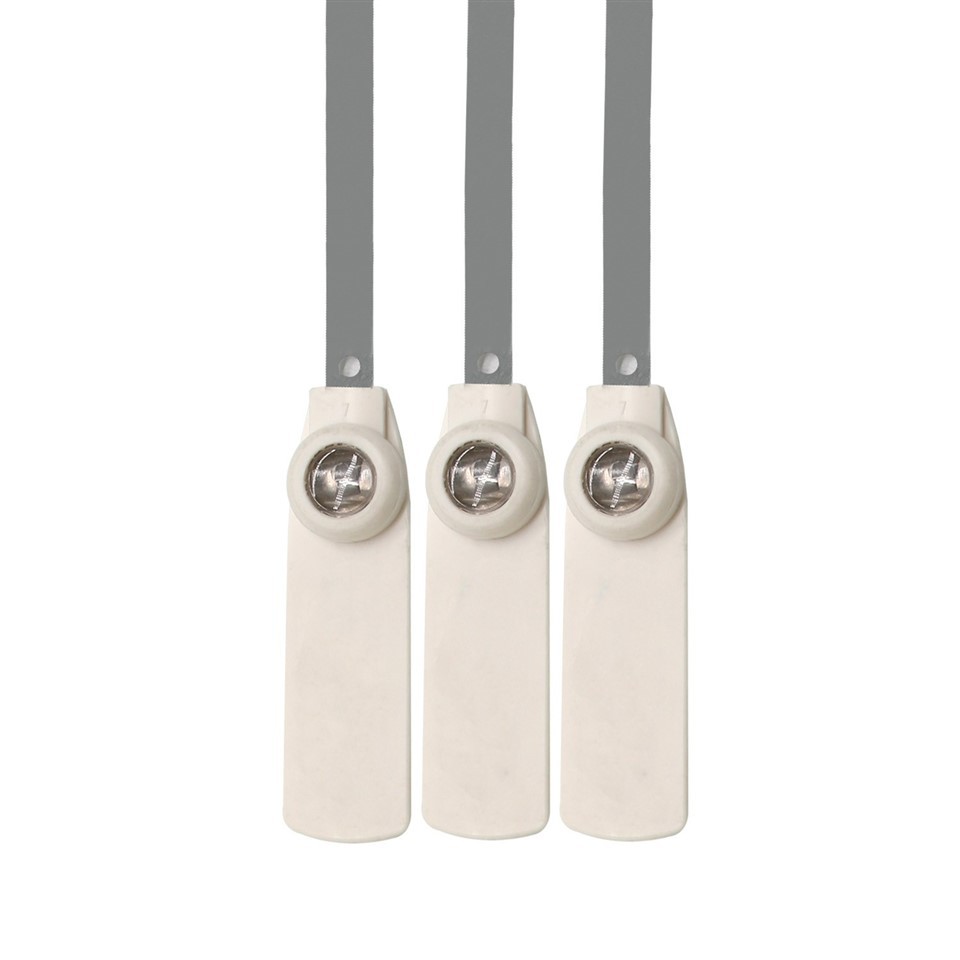
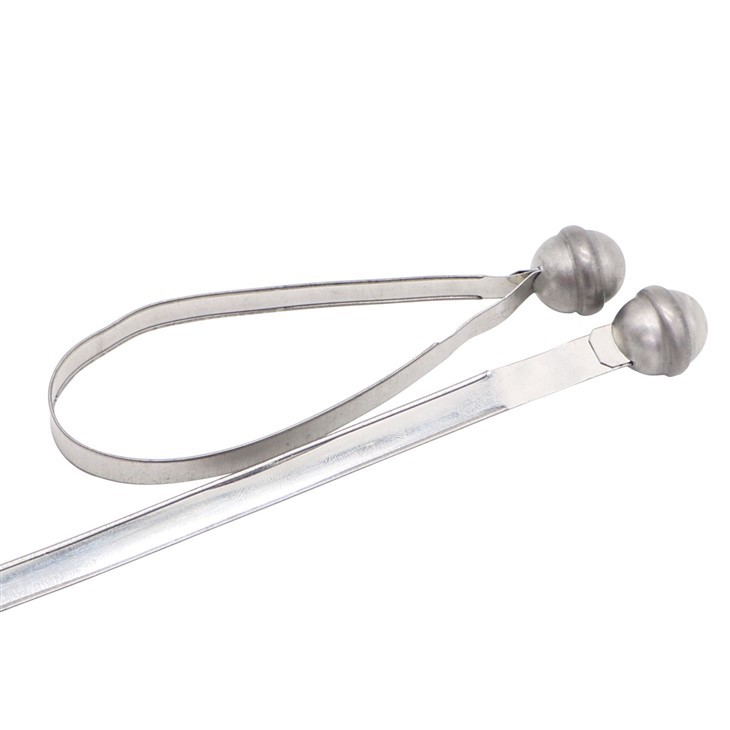
Factors Influencing the Weight of Metal Container Seals
Several factors contribute to the weight of metal container seals. The primary factor is the material used in the construction of the seal. Different metals have different densities, which directly affect the weight of the final product. For example, steel is a commonly used material for metal container seals due to its high strength and durability. Steel has a relatively high density, resulting in heavier seals compared to those made from aluminum or other lighter metals.
The design and size of the seal also play a significant role in determining its weight. Seals with more complex designs or larger dimensions will generally weigh more than simpler, smaller seals. For instance, a Round Head Metal Strap Seal with a thick strap and a large head will weigh more than a basic metal seal with a thin strap and a small head.
The manufacturing process can also influence the weight of the seal. Precision manufacturing techniques may result in more consistent weights, while variations in the manufacturing process can lead to slight differences in weight between individual seals.
Weight Ranges for Different Types of Metal Container Seals
There are various types of metal container seals available in the market, each with its own typical weight range.
Metal Trailer Seals: Metal Trailer Seals are designed to secure trailers during transportation. These seals are often subjected to rough handling and vibration, so they need to be relatively heavy and durable. The weight of metal trailer seals can range from around 50 grams to 200 grams, depending on the material, design, and size.
Metal Truck Seals: Metal Truck Seals are used to seal the cargo compartments of trucks. Similar to trailer seals, they need to provide high - level security. The weight of metal truck seals typically falls between 30 grams and 150 grams. Smaller, more lightweight truck seals may be used for less - valuable cargo or in situations where ease of handling is a priority, while heavier seals are preferred for high - security applications.
Choosing the Right Weight for Your Application
When selecting a metal container seal, it is important to consider the specific requirements of your application. If you are shipping high - value goods or need to ensure maximum security, a heavier seal made from high - strength materials such as steel may be the best choice. These seals are more difficult to tamper with and can withstand greater force.
On the other hand, if you are dealing with lighter cargo or need a seal that is easy to handle and install, a lighter seal made from aluminum or a thinner gauge of steel may be more suitable. These seals can still provide adequate security while being more user - friendly.
It is also important to consider the regulations and standards that apply to your industry. Some industries may have specific requirements regarding the weight and strength of container seals. Make sure to consult the relevant regulations and choose a seal that meets or exceeds these requirements.
Conclusion
In conclusion, the weight of metal container seals is a critical factor that affects their performance, durability, and suitability for different applications. By understanding the factors that influence the weight, the typical weight ranges for different types of seals, and how to choose the right weight for your specific needs, you can make an informed decision when purchasing metal container seals.
As a supplier of Metal Container Seals, I am committed to providing high - quality seals that meet the diverse needs of our customers. Whether you need a heavy - duty seal for high - security applications or a lightweight seal for more general use, we have a wide range of options to choose from.
If you are interested in learning more about our metal container seals or would like to discuss your specific requirements, please feel free to contact us. We look forward to the opportunity to work with you and provide the best sealing solutions for your business.
References
- Smith, J. (2020). The Importance of Container Security Seals in the Shipping Industry. Journal of Logistics and Supply Chain Management, 15(2), 45 - 52.
- Johnson, R. (2019). Materials and Design Considerations for Metal Container Seals. Metalworking Technology Review, 22(3), 67 - 74.