

Hey there! If you're in the market for cable seals, you've come to the right place. I'm a supplier of cable seals, and I'm here to share with you all about the materials these little security heroes are made of.
1. Plastic - The Versatile Workhorse
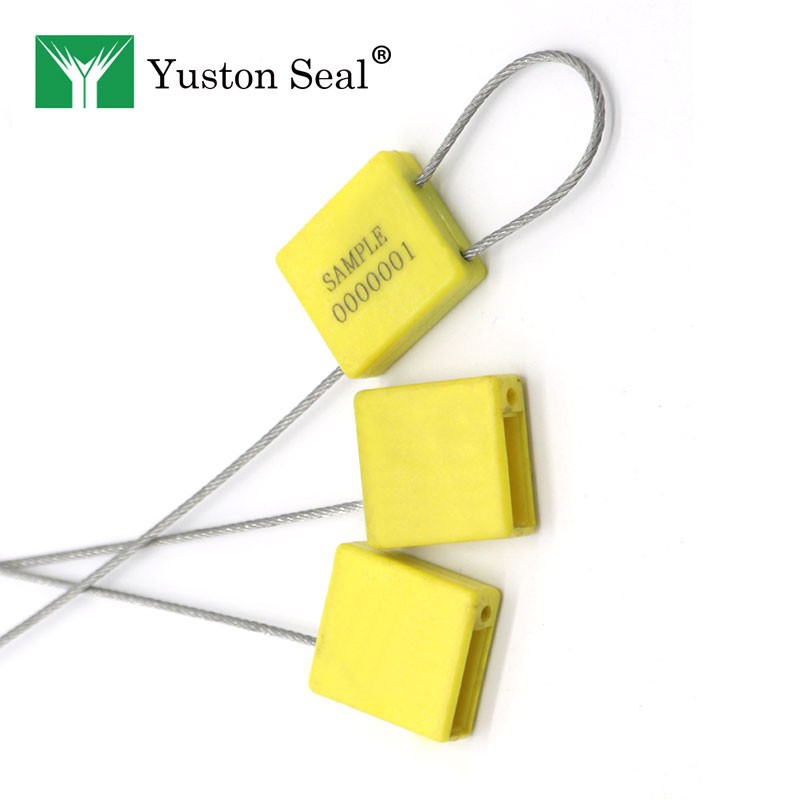
First up, let's talk about plastic. Plastic is one of the most common materials used in cable seals, and for good reason. It's versatile, lightweight, and cost - effective.
There are different types of plastics used in cable seal production. Polypropylene (PP) is a popular choice. It's known for its good chemical resistance and flexibility. Cable seals made from polypropylene can withstand a fair amount of bending and twisting without breaking. They're often used in applications where the seal doesn't need to endure extremely harsh conditions but still requires a certain level of security. For example, in some light - duty industrial or commercial settings, like sealing small storage containers or securing low - value shipments. You can check out our Cable Security Seals which are made from high - quality polypropylene.
Another type of plastic is polyethylene (PE). PE is a bit more durable than PP in some aspects. It has better impact resistance, which means it can handle being dropped or knocked around without cracking easily. PE cable seals are great for outdoor use because they're resistant to UV rays and moisture. You'll often find these seals in the agricultural or transportation industries, where they're used to seal equipment and cargo trailers.
2. Metal - The Heavy - Duty Protector
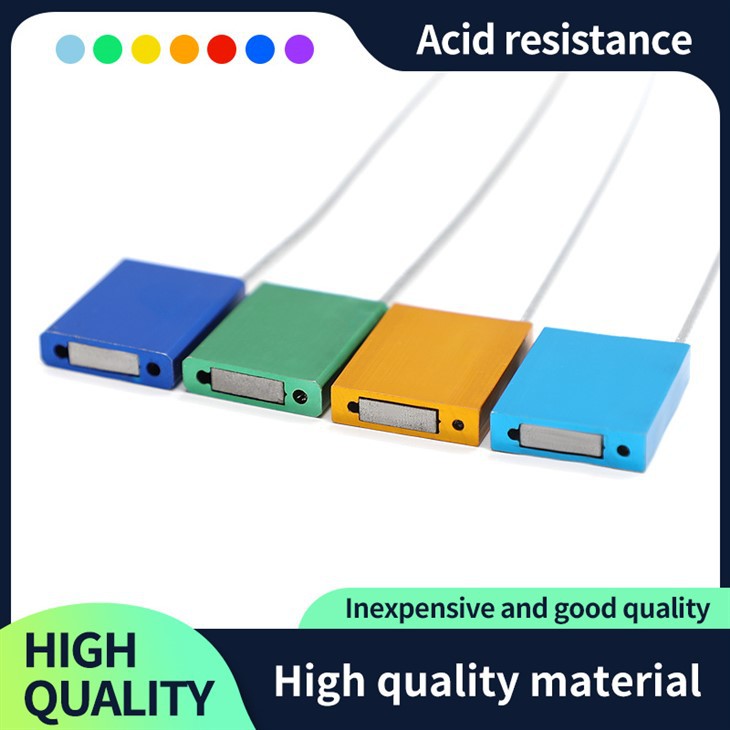
When it comes to high - security applications, metal is the go - to material. Steel is a classic choice for cable seals. Steel cable seals are incredibly strong and can withstand a lot of force. They're used in situations where tampering is a major concern, such as in the shipping of high - value goods or in high - security facilities.
Stainless steel is even better. It doesn't rust or corrode, which makes it ideal for long - term use, especially in harsh environments. Stainless steel cable seals are often used in the oil and gas industry, where they're exposed to chemicals and extreme weather conditions. Our Security Container Cable Seal made from stainless steel provides top - notch security for large containers and storage units.
Brass is another metal option. Brass cable seals are not as strong as steel, but they have their own advantages. They're more malleable, which means they can be formed into different shapes easily. Brass also has an aesthetic appeal, so you'll sometimes see it used in applications where appearance matters, like in some high - end packaging or display cases.
3. Fiber - The Lightweight Defender
Fiber materials are also used in cable seals. Aramid fiber is a well - known example. Aramid fiber is incredibly strong for its weight. It has high tensile strength, which means it can hold up under a lot of tension. Aramid fiber cable seals are often used in the aerospace and military industries, where weight is a critical factor but security can't be compromised.
Glass fiber is another option. Glass fiber cable seals are lightweight and have good insulation properties. They're used in electrical applications where you need to seal cables to prevent electrical interference. They're also used in some data centers to secure network cables.
4. Rubber - The Flexible Friend
Rubber is used in some cable seals to provide flexibility and a good seal. Neoprene rubber is a common choice. It's resistant to oil, chemicals, and weather conditions. Neoprene rubber cable seals are often used in automotive and marine applications, where they need to seal cables and protect them from moisture and other contaminants.
Silicone rubber is another option. Silicone rubber is very flexible and has a wide temperature range. It can withstand both high and low temperatures without losing its properties. Silicone rubber cable seals are used in electronic devices and appliances, where they need to seal cables and prevent dust and moisture from entering.
5. Composite Materials - The Best of Both Worlds
Composite materials combine the properties of different materials to create a better product. For example, some cable seals are made by combining plastic and metal. This gives the seal the lightweight and cost - effectiveness of plastic along with the strength and security of metal.
There are also fiber - reinforced plastics. These materials use fibers like glass or carbon fiber to reinforce the plastic matrix. Fiber - reinforced plastic cable seals have high strength - to - weight ratios and are used in a variety of industries, from sports equipment to industrial machinery.
Why Does Material Matter?
The choice of material for a cable seal is crucial because it directly affects the seal's performance. If you're sealing a low - value package for local delivery, a plastic seal might be sufficient. But if you're transporting high - value jewelry or important documents, a metal or fiber - based seal is a much better choice.
The environment where the seal will be used also matters. If it's an outdoor application, you'll need a material that can withstand weather conditions. If it's an indoor application, you might focus more on factors like cost and ease of use.
How to Choose the Right Cable Seal for You
When you're choosing a cable seal, you need to consider a few things. First, think about the level of security you need. If you're dealing with high - value items or sensitive information, go for a metal or fiber - based seal.
Next, consider the environment. If it's a harsh environment with chemicals, extreme temperatures, or moisture, choose a material that can withstand those conditions.
Also, think about the application. If you're sealing a small cable, a lightweight plastic or rubber seal might be enough. But if you're sealing a large container, you'll need a stronger and more durable seal.
Let's Connect!
If you're interested in purchasing cable seals, I'd love to talk to you. Whether you need a large quantity for your business or just a few for a personal project, I can help you find the right cable seals made from the perfect material for your needs. Don't hesitate to reach out and start a conversation about your cable seal requirements.
References
- "Materials Science and Engineering: An Introduction" by William D. Callister Jr. and David G. Rethwisch
- Industry reports on cable seal manufacturing and applications.