

Hey there, fellow livestock enthusiasts! As a supplier of Livestock Ear Tags, I've seen firsthand the importance of proper animal identification. Today, I'm gonna share with you what materials you need to make homemade ear tags for your livestock. It's a great option if you're on a budget or just want a more personalized touch for your animals.
1. Base Material
The first thing you'll need is a good base material for your ear tags. There are several options out there, and each has its own pros and cons.
Plastic Sheets
Plastic is one of the most popular choices for making ear tags. It's durable, lightweight, and relatively inexpensive. You can find plastic sheets in various thicknesses and colors at your local hardware or craft store. Thicker plastic will be more durable but may be a bit more difficult to cut and punch holes in. For most livestock, a plastic sheet that's around 1 - 2 millimeters thick should work well.
Aluminum
Aluminum is another great option. It's strong, resistant to corrosion, and can withstand harsh weather conditions. Aluminum ear tags are also easy to engrave, which means you can add clear and permanent markings. You can get aluminum sheets from metal suppliers or online stores. Just make sure to choose a grade that's soft enough to cut and shape but still strong enough to last.
Leather
If you're going for a more rustic look, leather can be a good choice. It's a natural material that's relatively soft and flexible, which can be more comfortable for the animals. However, leather may not be as durable as plastic or aluminum, especially if it gets wet frequently. You can buy leather sheets from a leathercraft store or online. Look for a medium - thick leather that's easy to cut and punch holes in.
2. Marking Materials
Once you have your base material, you'll need to mark the ear tags with the necessary information. This could include the animal's ID number, owner's details, or other relevant data.
Permanent Markers
Permanent markers are a simple and cost - effective way to mark your ear tags. You can find them in a variety of colors, so you can choose one that stands out against the base material. Just make sure to use a marker that's waterproof and fade - resistant, especially if the tags will be exposed to the elements. When using a marker, test it on a small piece of the base material first to make sure the ink adheres well.
Engraving Tools
If you're using aluminum or hard plastic, engraving is a great option for permanent markings. You can use a hand - held engraving tool or a rotary tool with an engraving bit. Engraving creates a deep, clear mark that won't fade or rub off. It may take a bit of practice to get the hang of it, but the results are well worth it.
Stamps
Stamps are another option for marking ear tags. You can buy pre - made stamps with numbers, letters, or symbols, or you can have custom stamps made. Stamping is quick and easy, and it can produce consistent markings. You'll need an ink pad that's suitable for the base material you're using. For example, if you're using leather, you'll need a leather - friendly ink.
3. Holes and Fasteners
To attach the ear tags to the animals' ears, you'll need to create holes in the tags and use appropriate fasteners.
Hole Punches
A hole punch is an essential tool for making holes in your ear tags. You can get a simple hand - held hole punch from a craft store or a more heavy - duty one from a hardware store. Make sure the hole size is appropriate for the fasteners you'll be using. For most ear tags, a hole that's around 3 - 5 millimeters in diameter should work well.
Rivets or Washers
Rivets and washers are commonly used to fasten ear tags to the animals' ears. Rivets are strong and permanent, while washers can provide a more secure fit. You can buy rivets and washers from a hardware store or an online supplier. Make sure to choose the right size for your ear tags and the animals' ears.
Split Rings
Split rings are another option for attaching ear tags. They're easy to use and can be removed and replaced if needed. You can find split rings in different sizes at a craft or hardware store.
4. Cutting Tools
To shape your ear tags from the base material, you'll need the right cutting tools.
Scissors
Scissors are a basic tool for cutting softer materials like plastic sheets, leather, or thin aluminum. Make sure to use a sharp pair of scissors to get clean, straight cuts. For more precise cutting, you can use a pair of craft scissors with a fine tip.
Utility Knives
If you're cutting thicker materials or need to make more detailed cuts, a utility knife can be a better option. Utility knives have a sharp blade that can easily cut through plastic, aluminum, and leather. Just be careful when using a utility knife, as the blade is very sharp.
Metal Shears
For cutting aluminum sheets, metal shears are the way to go. They're designed to cut through metal cleanly and easily. You can find metal shears at a hardware store or a metalworking shop.
5. Optional Materials
There are also some optional materials that can enhance the functionality or appearance of your homemade ear tags.
Reflective Tape
If you want your ear tags to be more visible, especially at night, you can add reflective tape. Reflective tape can be easily applied to the base material using adhesive. It's a great way to improve the safety of your animals, as it makes them easier to spot in low - light conditions.
Color - Coded Labels
Color - coded labels can be used to quickly identify different groups of animals. For example, you could use red labels for breeding animals, blue labels for young stock, etc. You can buy pre - made color - coded labels or make your own using colored paper and glue.
Why Choose Our Ear Tags for Livestock
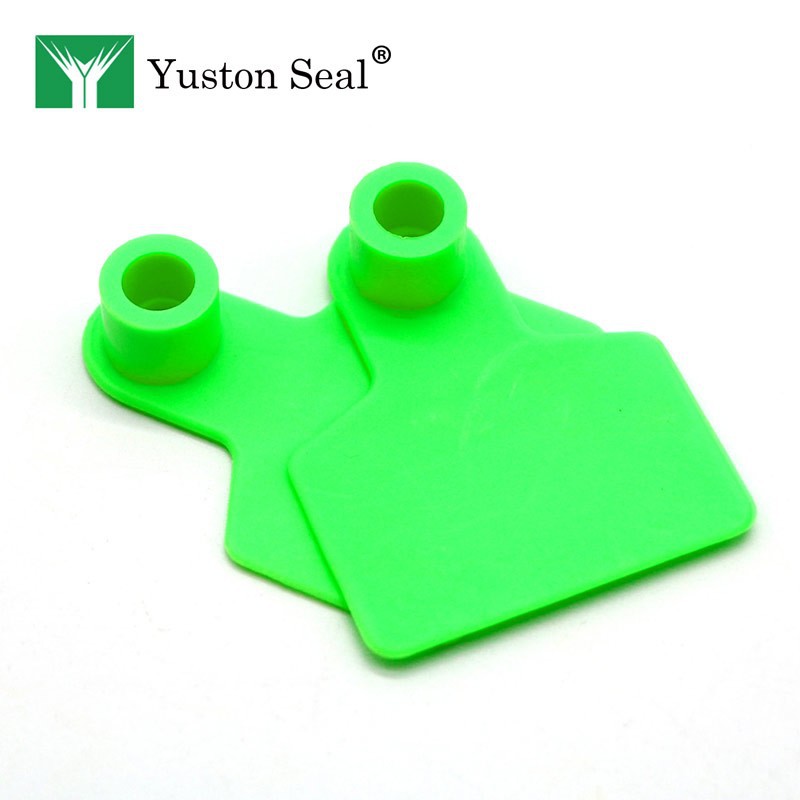
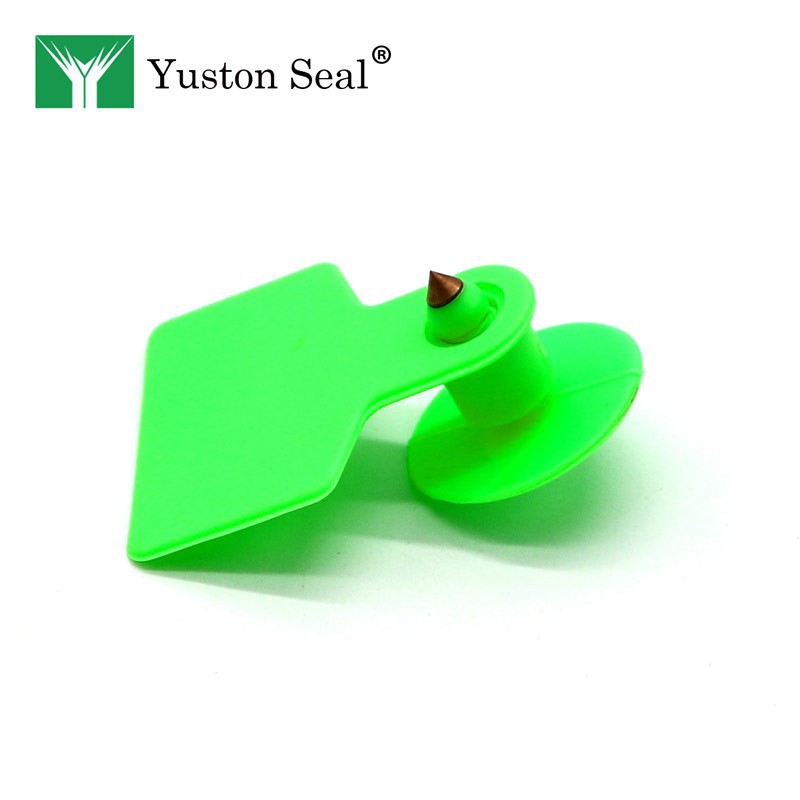
While making homemade ear tags can be a fun and rewarding project, there are also many benefits to choosing our professionally made ear tags. Our Livestock Ear Tags are made from high - quality materials that are designed to last. We use advanced manufacturing techniques to ensure that the markings are clear, permanent, and easy to read.
Our Ear Tag For Cows are specifically designed to meet the needs of cattle farmers. They're comfortable for the animals, easy to install, and can withstand the rigors of daily use. Whether you have a small farm or a large livestock operation, our ear tags can provide reliable identification for your animals.
If you're interested in purchasing our ear tags or have any questions about our products, feel free to reach out. We're here to help you find the best ear tag solutions for your livestock. We offer a wide range of options to suit different budgets and requirements, and our team of experts can provide you with personalized advice and support. So, don't hesitate to contact us for more information and to start a procurement discussion.
References
- "Livestock Identification: Best Practices and Technologies" - A guide published by agricultural research institutions that provides in - depth information on different types of livestock identification materials.
- "Animal Welfare and Identification" - A research paper that discusses the importance of proper ear tag materials for the well - being of livestock.
- "DIY Livestock Ear Tags: A Step - by - Step Guide" - An online article that offers practical tips on making homemade ear tags.